

 English
 русский
 Español
 中文简体
中文简体
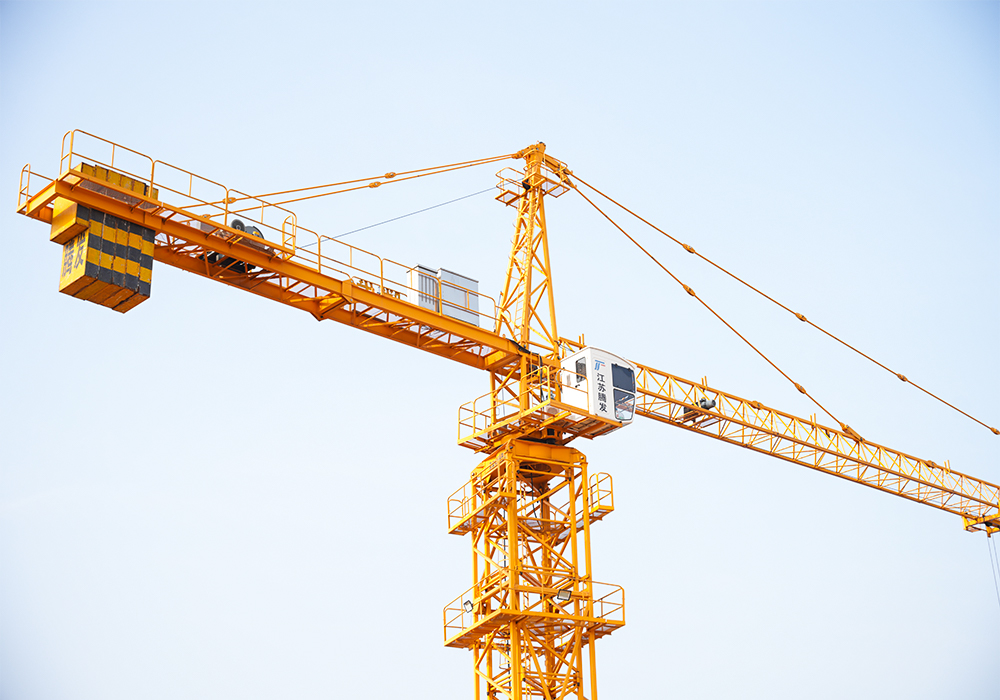
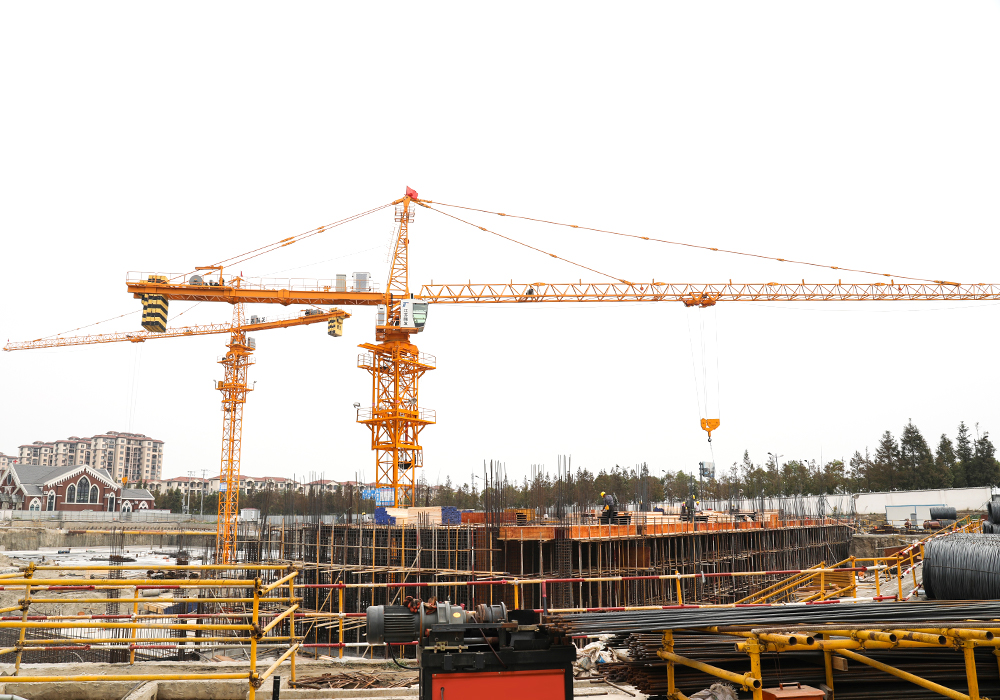
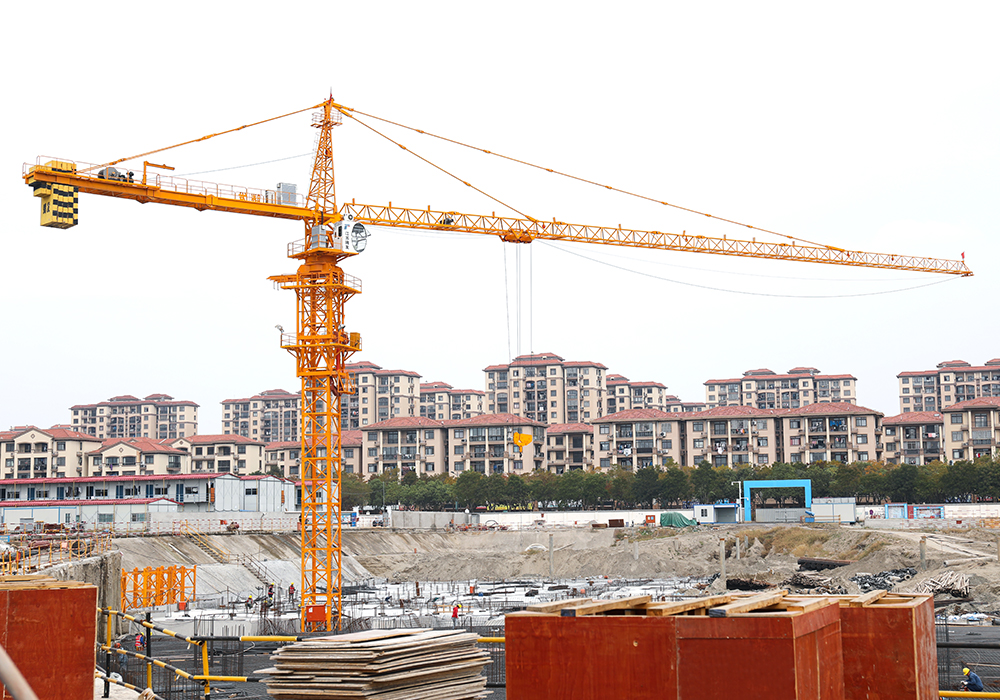
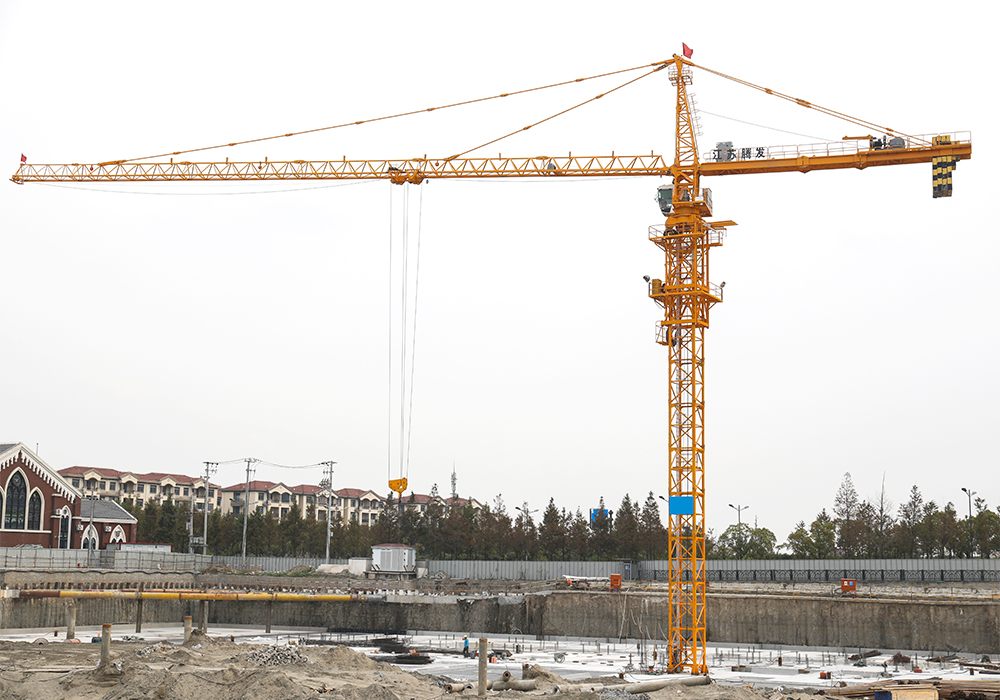
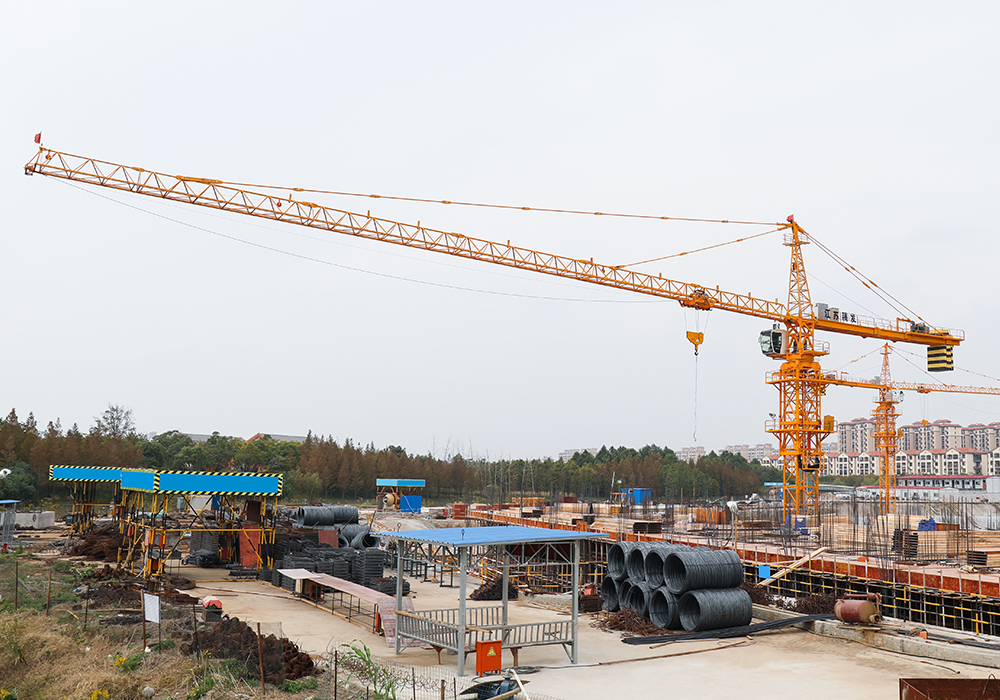
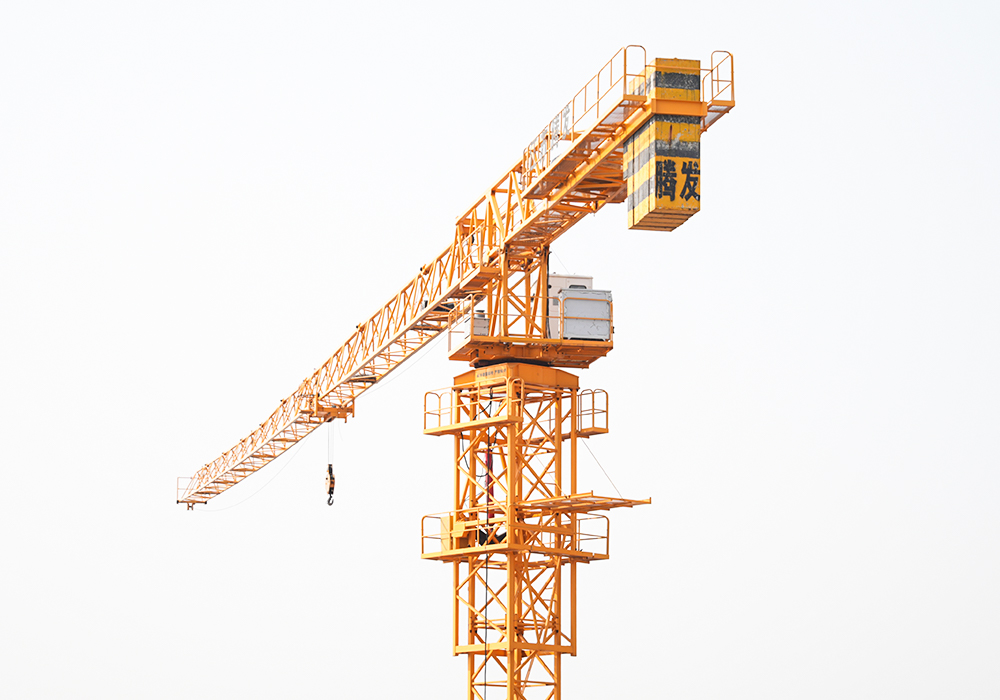
On a 30-story residential tower site, a QTZ80 tower crane with a 6-ton capacity receives 380V three-phase power through a 4x25mm2 armored cable connected to the site distribution box. That cable runs up the tower mast, passes through the slewing ring, and terminates at the crane control cabinet. From there, power is routed to three main motor groups: the hoist motor for lifting, the slewing motor for rotating the jib, and the trolley motor for moving the load along the jib. This is the standard power architecture for nearly every tower crane and construction hoist in modern construction: grid-supplied electricity driving electric motors, not diesel generators.
Content
- 1 How Cranes Are Powered: Electric Motors Dominate Construction
- 2 How Power Reaches a Tower Crane from Site Infrastructure
- 3 Power Consumption Comparison Across Crane Types
- 4 Diesel Generators and Hybrid Solutions for Challenging Conditions
- 5 Key Selection Considerations for Crane Power Systems
- 6 Frequently Asked Questions About Crane Power
How Cranes Are Powered: Electric Motors Dominate Construction
Tower cranes and construction hoists are almost exclusively powered by electric motors. The reason is control. Electric drives deliver precise speed control, high starting torque, and smooth acceleration, which are essential when handling loads that may swing unpredictably at 50 meters above the ground. A diesel engine cannot match the fine positioning control of an electric motor when placing a load to within a few centimeters.
A typical tower crane uses three main motor groups: a hoist motor for lifting, a slewing motor for rotating the jib, and a trolley motor for moving the load along the jib. These motors collectively draw 30 to 80 kW during active lifting, with peak demand occurring during hoisting at rated load. Variable frequency drives (VFDs) are now standard on modern cranes. They enable soft starting, which reduces mechanical stress on the gearbox and is critically important when lifting a heavy load from rest. VFDs also allow regenerative braking, where the motor acts as a generator during lowering, feeding energy back into the crane's electrical system. On high-cycle operations, this can reduce energy consumption by 10-15%.
 QTZ80 Topkit Tower Crane with 6t Capacity and Variable Jib LengthsThis topkit crane offers a 6-ton capacity and jib lengths from 36 to 60 meters, making it suitable for various construction heights. Its motor system supports variable frequency drives, which can improve energy efficiency during lifting operations.View Product →
How Power Reaches a Tower Crane from Site Infrastructure
The power path starts at the site low-voltage distribution panel. Most international construction sites use 380V or 400V three-phase supply. From the distribution panel, an armored cable runs to the crane base, then up the mast to the turntable. The cable must be rated for the crane's total load capacity, including starting currents that can reach 2-3 times the running current.
To handle 360-degree rotation without twisting the cable, cranes use a slip ring assembly. This device transmits electrical power across a rotating interface, allowing the jib to rotate continuously while maintaining stable power to all motors. From the slip ring, power reaches the control cabinet, which houses circuit breakers, contactors, and variable frequency drives.
A common misconception is that tower cranes have their own generators. In reality, most tower cranes are connected to the site's electrical supply. The site may have a generator set, but that generator feeds the whole site, not just the crane. This guide explains how tower cranes are erected and climb with the building, and the same electrical infrastructure supports both operations. For construction hoists, the power delivery path is different because they do not rotate; a simple cable run from the distribution panel feeds the hoist's control panel at the base, then up to the drive motors.
 SC200/200 Construction Hoist with Single or Double Cage OptionsThis construction hoist features a 33 m/min lifting speed and can be configured with single or double cages. It is designed for easy installation and can be extended with the building, making it a practical choice for vertical transport.View Product →
Power Consumption Comparison Across Crane Types
Power consumption varies significantly by crane type and configuration. The table below shows typical power ranges for the most common crane categories.
| Crane Type | Motor Power | Energy Source | Typical Application |
| Topkit tower crane | 30-80 kW | Electricity | High-rise construction |
| Flat-head tower crane | 30-90 kW | Electricity | Modern building sites |
| Luffing jib crane | 40-100 kW | Electricity | Cramped urban sites |
| Construction hoist | 15-45 kW | Electricity | Personnel and light loads |
| Mobile crane | 150-300 kW | Diesel | Portable lifting |
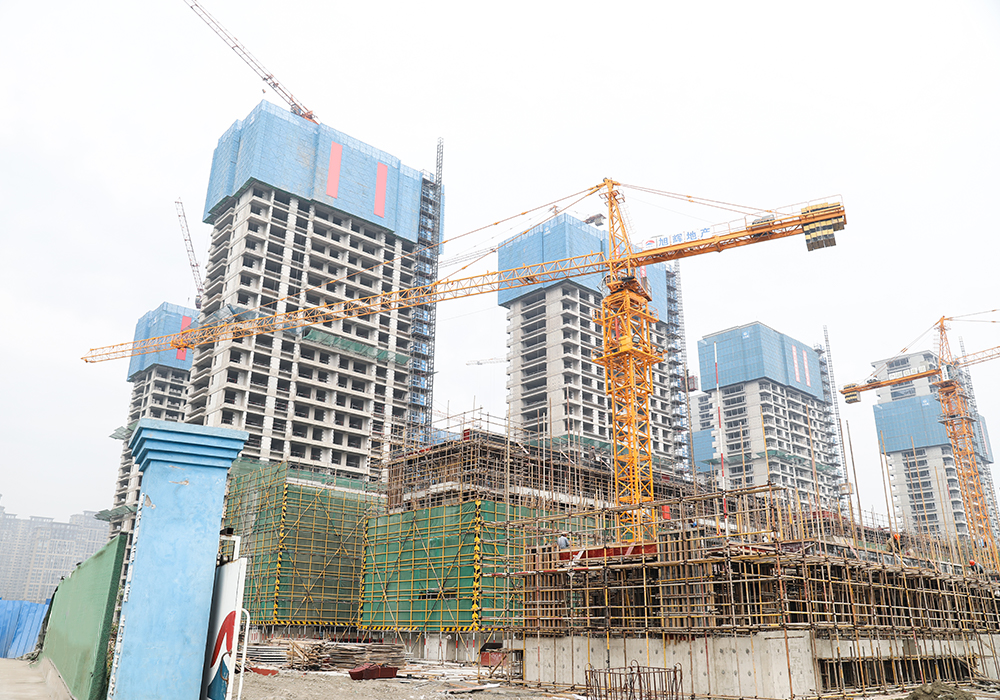
Higher-capacity cranes naturally consume more power. A 6t topkit crane like the QTZ80 uses around 45-60 kW total motor power, while a 16t luffing jib crane can exceed 100 kW. Construction hoists for personnel transport typically require 15-45 kW depending on rated load and speed. Two-speed and variable-speed models are becoming standard for efficiency.
Power Range Comparison
The chart above illustrates the power ranges for different crane types. Note that a mobile crane consumes 2-4 times the power of a typical tower crane. This is because diesel engines have lower efficiency than electric motors, and mobile cranes need additional power for hydraulic systems.
 QTP63 Flat Head Tower Crane with 6t Capacity and 56m JibThis flat head tower crane has a 56-meter jib and 6-ton lifting capacity, offering independent heights up to 40.5 meters and attached heights up to 140 meters. It is versatile for various project needs, including fixed and external wall attachment setups.View Product →
Diesel Generators and Hybrid Solutions for Challenging Conditions
While grid power is the default, many sites still rely on diesel generators. This is not a power preference but an infrastructure necessity. Remote sites, unstable grid supplies, or early project phases may not have reliable electrical infrastructure. In these cases, a 300-500 kW diesel generator provides the necessary power, and the crane operates identically as it would on grid electricity.
Choosing the right generator requires calculation. A good rule of thumb is to size the generator at 1.5-2 times the total crane load to handle starting currents. If a site runs two tower cranes and one construction hoist simultaneously, the generator may need to be 600-800 kW.
Hybrid systems are also emerging. Some manufacturers now offer cranes with regenerative braking systems that feed energy back into the grid or store it in batteries. On a crane operating 10 hours per day, regenerative braking can reduce energy consumption by 15-20% in some duty cycles. This is particularly relevant for high-rise projects where cranes spend a significant portion of their cycle time lowering loads.
Grid Supplied
Lower operating cost, no exhaust emissions, consistent performance, but requires stable site infrastructure.
Diesel Generator
Full independence from grid, usable on remote sites, but higher fuel cost and regular emissions maintenance.
Key Selection Considerations for Crane Power Systems
Choosing the right power configuration comes down to site conditions and crane duty cycles. The following checks should be part of every equipment plan.
- Grid reliability: If the site grid is unstable, a standby generator is mandatory. Even brief voltage dips can trip crane controllers and halt operations.
- Power contract: The site must have adequate power capacity for simultaneous operation of tower cranes and hoists. This should be calculated during the tender phase.
- Duty cycle: High-rise projects with continuous lifting require higher power capacity and better cooling. Verify the motor duty rating against the actual cycle.
- Voltage stability: Voltage drops below -10% can cause motor overheating and control failures. Use power quality monitoring on critical sites.
- Cable sizing: Undersized cables cause voltage drop and heat buildup. Always follow the manufacturer's recommended cable cross-section.
Frequently Asked Questions About Crane Power
Can tower cranes run on batteries?
Battery-powered tower cranes are not practical at the current state of technology. The energy density of batteries cannot handle the peak power demand of a hoist motor lifting 10 tons. A hybrid approach with supercapacitors is being tested, but grid connection remains the standard.
What voltage do tower cranes typically use?
Most tower cranes worldwide operate on 380V or 400V three-phase AC power. Some regions use 208V or 480V depending on local standards. The crane's control system steps down voltage for controls and sensors.
Do mobile cranes use electricity at all?
Mobile cranes are primarily powered by diesel engines, but they use electric motors for control systems, lighting, and in some models, for auxiliary functions. The diesel engine drives hydraulic pumps that power all crane movements.
How does a construction hoist differ in power delivery?
Construction hoists receive power through a simple cable run from the distribution panel to their control panel. Unlike tower cranes, hoists do not need slip rings because they do not rotate. Power is fed directly to the drive motors through a rack-and-pinion system.