

 English
 русский
 Español
 中文简体
中文简体
Fifteen to twenty tower cranes typically work on a high-rise construction site, and each carries a structural design life of 20 to 30 years. Yet many contractors retire a crane after only 8 to 12 years of service - not because the steel reached its fatigue limit, but because the true crane life span was never planned from the day the machine was erected.
The crane life span you actually get is rarely the span the manufacturer designed for. It is the product of working duty classification, inspection discipline, environmental exposure, and the moment repair costs cross the line where replacement becomes cheaper. That line is different for every job site.
Content
What Is the Design Life Span of a Tower Crane?
A tower crane's structural design life spans 20 to 30 years under standard working-duty classifications such as FEM 1.001 or GB/T 13752, with light-duty classes A1-A2 rated at 30 years and heavy-duty A3-A5 classes rated at 25 years. The A6-A8 classes used on extraordinarily demanding jobs are typically designed for 15 to 20 years.
The design life is a theoretical fatigue rating. It assumes the specified load spectrum, the correct maintenance regime, and the original structural configuration are all maintained. In practice, the operational life on a construction site is what matters, and that number depends entirely on the variables below.
The distinction matters for procurement. A manufacturer quoting a 25-year design life is not claiming every crane will work for 25 years. It is claiming the structural steel will survive the specified fatigue cycles. What shortens that window is everything that happens after delivery. Before any procurement decision on a tower crane, ask the manufacturer for the fatigue calculation report. It should state the number of equivalent load cycles, the working class, and the recommended inspection intervals.
Five Factors That Determine the Actual Crane Life Span
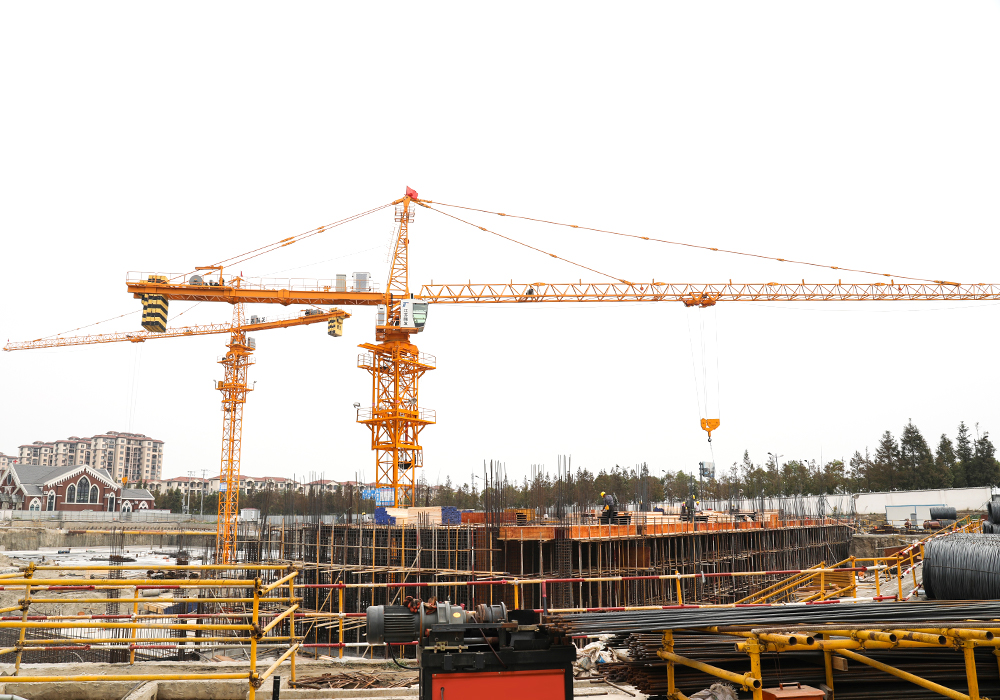
Usage intensity is the dominating variable. A tower crane running 16 hours a day on a cycle-heavy job can age three to five times faster than the same model running 8 hours a day on a standard project.
Design Lifespan by Working Duty Class
Crane Type and Structural Configuration
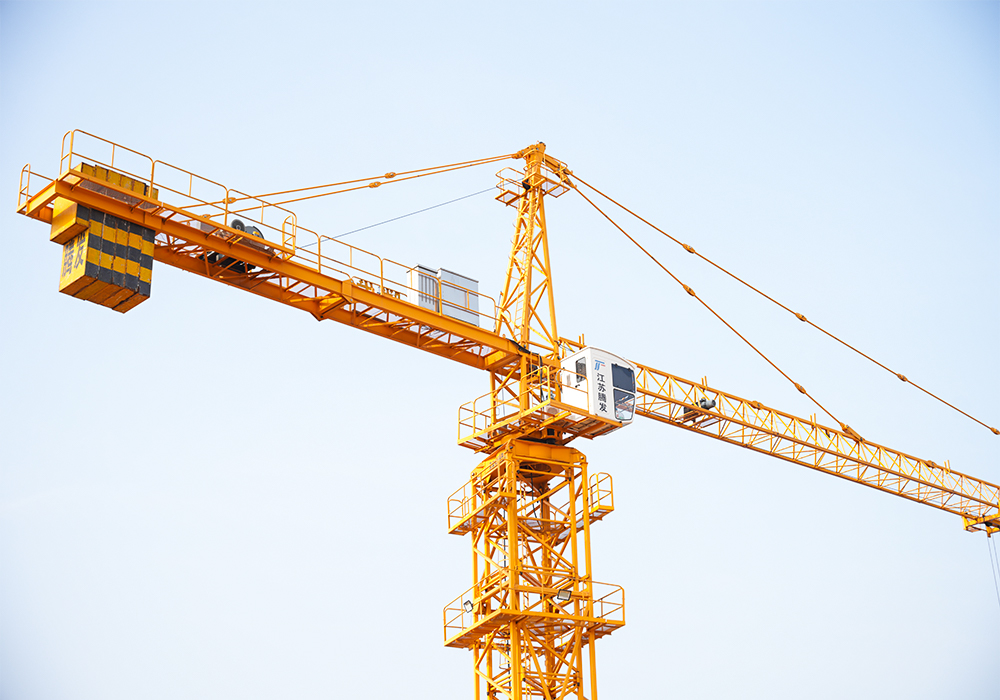
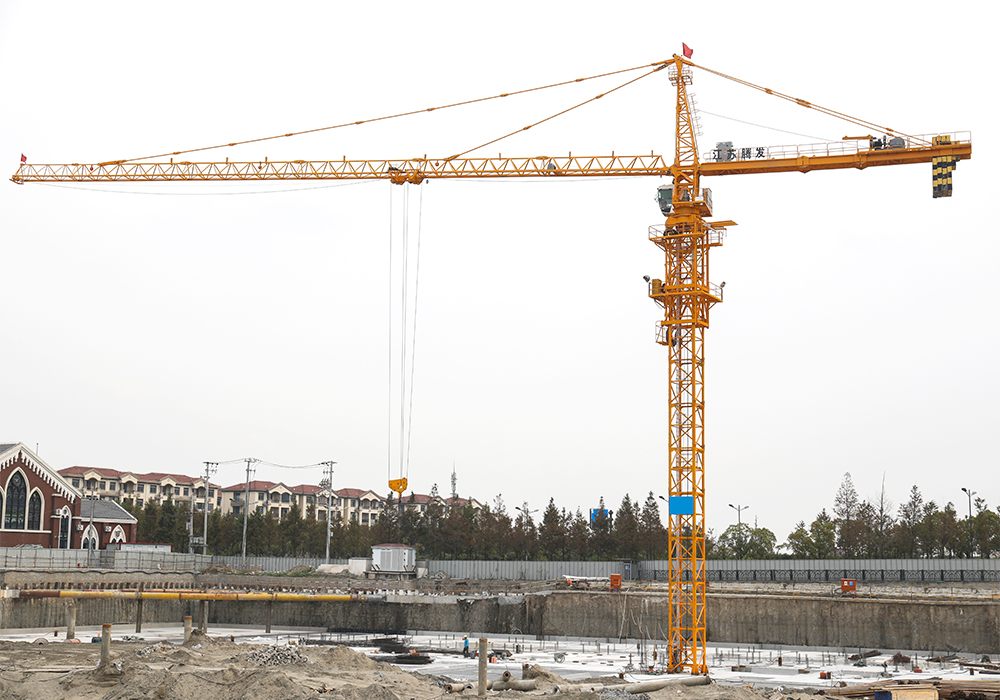
Topkit (hammerhead) cranes carry more bolted connections and a more complex load path through the tower top, while flat-head cranes use a simpler jib-to-mast interface. Luffing-jib cranes have articulated booms that add hinge-point wear. Each design has a different fatigue profile, so the 25-year figure is only a starting point.
Load Cycle Frequency and Working Class
The FEM and GB standards define load spectra by the number of equivalent load cycles. A tower crane lifting heavy prefabricated components at high frequency is in a different class than one handling light palletized materials, and that classification sets the fatigue design basis.
Environmental Exposure
Coastal salt spray, industrial acid rain, and extreme temperature swings accelerate corrosion and fatigue crack propagation. A crane working near the coast in Southeast Asia or the Gulf often shows three times the surface corrosion of an inland crane at the same age.
Maintenance Discipline
Lubrication intervals, bolt torque checks, and the schedule of statutory inspections are the largest controllable variables. A crane maintained to the manufacturer's manual can exceed its design life; one that is not can fail at 40 percent of it.
Component Obsolescence and Regulation Changes
When a hoist motor or a safety controller is no longer manufactured, and when a national standard upgrades its requirements for limit switches or anti-slip devices, the crane's economic life can end before its structural life does.
For a fleet manager, the practical takeaway is simple: the working class of the project determines which of these factors will dominate. A crane used for a single tall tower has a different aging pattern than the same model moved between five smaller sites.
How to Extend the Service Life of a Tower Crane
Proactive maintenance can extend a tower crane's economic life by 30 to 40 percent. On a crane worth $150,000 to $400,000, that is a substantial capital-preservation decision.
The two most common maintenance gaps are bolt loosening and wire rope wear. Bolt joints are the most variable elements in a tower crane; if the anti-loosening feature on a flat-head or topkit crane is not inspected at the specified torque intervals, the entire mast section can shift within its design tolerance. Regular re-torque of the high-strength bolts on mast sections and slewing platforms is the single most effective structural preservation step.
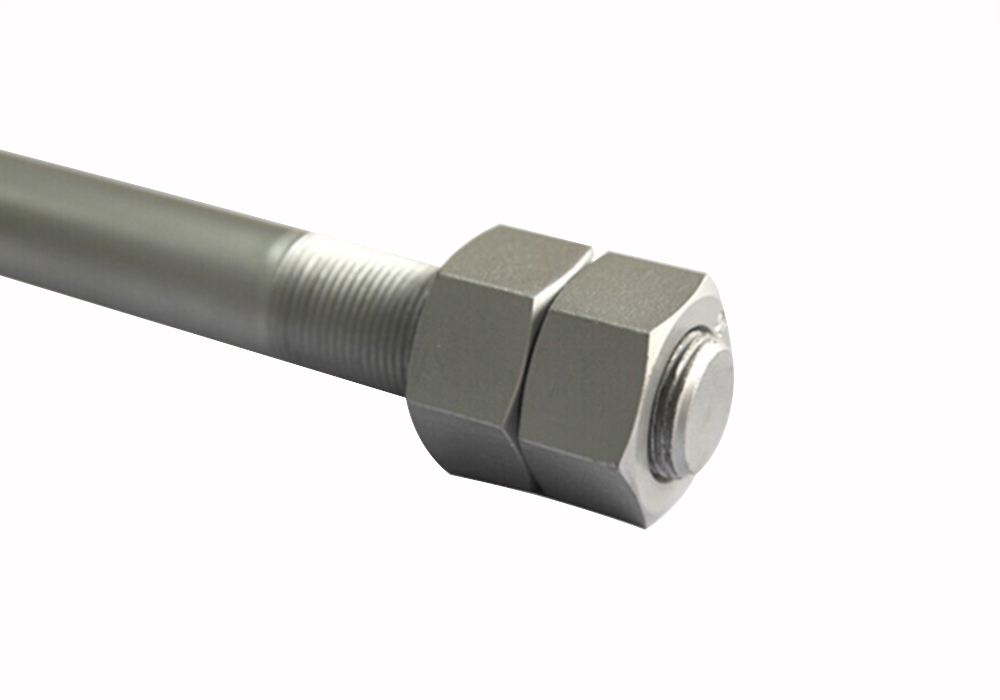 High-Strength Bolts for Tower Crane Mast and Slewing ConnectionsThese high-strength bolts are critical for mast and slewing platform joints. Regular re-torqueing prevents structural shift and extends crane service life.View Product →
Hoisting wire rope is the fastest-wearing safety component in the lifting system. Under heavy cycle use, a wire rope can reach its discard standard within six months, even though the crane structure is aging normally. Scheduled replacement, along with sheave and drum inspection, prevents the secondary damage that shortens gearbox and motor life.
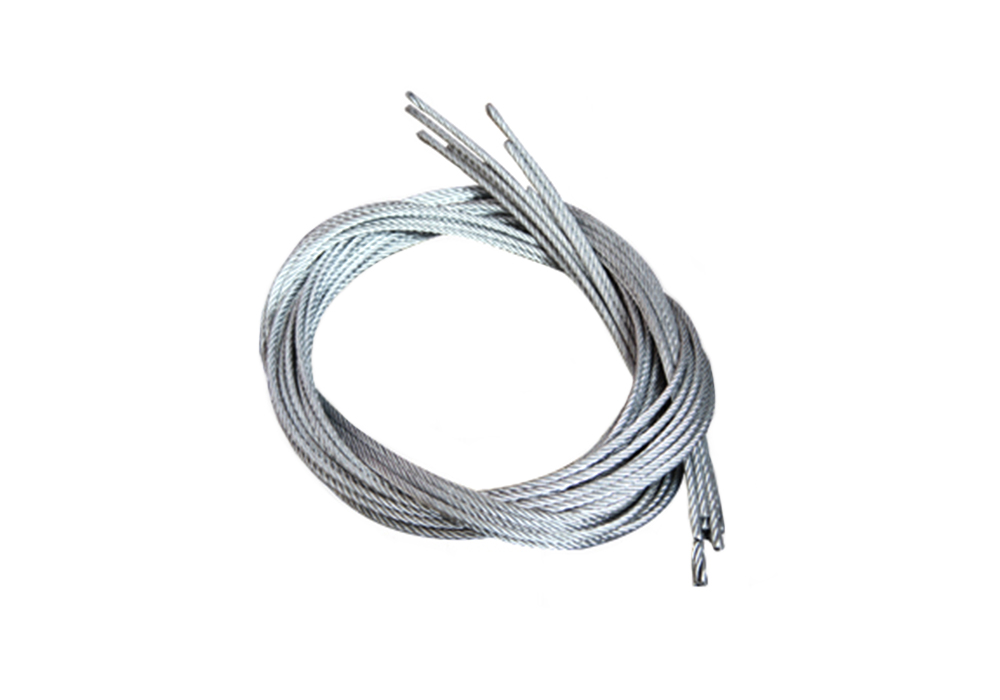 Steel Wire Rope for Hoisting Systems in Tower CranesThis wire rope is a safety component that wears quickly under heavy cycling. Scheduled replacement and sheave or drum inspection prevent secondary damage to gearboxes and motors.View Product →
- Structural steel inspection. Examine mast sections, jib chords, and weld toes for hairline cracks and bolt hole elongation. Use magnetic particle testing on high-stress welds.
- Anti-loosening bolt management. The risk of bolt loosening is highest in flat-head type tower cranes. Double anti-loosening designs and periodic torque re-checks keep the joint integrity that defines the crane's fatigue life.
- Anti-corrosion program. Repaint scratches and surface damage before the steel is exposed to moisture. Achieve annual coating inspection.
- Hoisting system replacement. Replace wire rope every 6 to 12 months under heavy use. Inspect sheaves, brake discs, and gear oil at the same interval.
- Safety device calibration. Confirm that limit switches, overload limiters, and anti-slip devices are calibrated to current standards.
A maintenance checklist that treats every 500-hour service point as a structural checkpoint is the most reliable way to protect your crane life span on site.
When Should You Replace or Refurbish a Tower Crane?
Replace a tower crane when accumulated repair cost crosses 60 percent of its residual value, or when it fails a statutory inspection after a major structural repair. Refurbish when the structure is sound but components are outdated.
Keep or Refurbish
Minor weld repairs are acceptable, spare parts are available, the remaining design life is more than 10 years, and safety devices can be upgraded to standard.
Replace
Structural cracks are in a primary load path, remaining design life is under 5 years, major components are obsolete or legally non-compliant, and duty requirements have increased beyond the crane's class.
| Criterion | Repair | Replace |
| Structural condition | Minor cracks, addressable | Cracks in primary load path |
| Remaining design life | Over 10 years | Under 5 years |
| Parts availability | Standard parts available | Obsolete or discontinued |
| Safety compliance | Upgradable to current code | Cannot meet regulation |
| Duty requirement | Still fits project needs | Higher capacity required |
The economics are straightforward. If the total cost to purchase and install a new tower crane is X, and the remaining useful life of the existing unit can only justify a fraction of that value while consuming 15 to 20 percent of the annual maintenance budget, replacement usually wins.
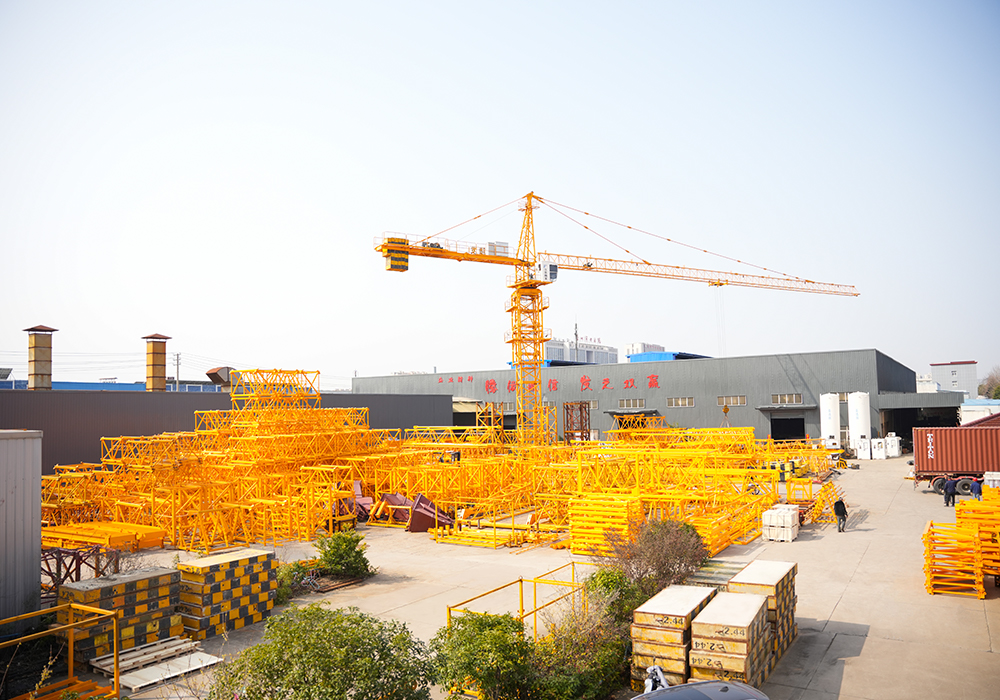
Jiangsu Tengfa Construction Machinery Co., Ltd. builds its topkit and flat-head tower cranes with a full spare parts catalog and refurbishment options, which means a well-maintained unit can cross the 15-year operating mark without a full replacement. When evaluating a new machine, the key procurement question is not only the initial price, but where that crane will be at year 10 and year 20.
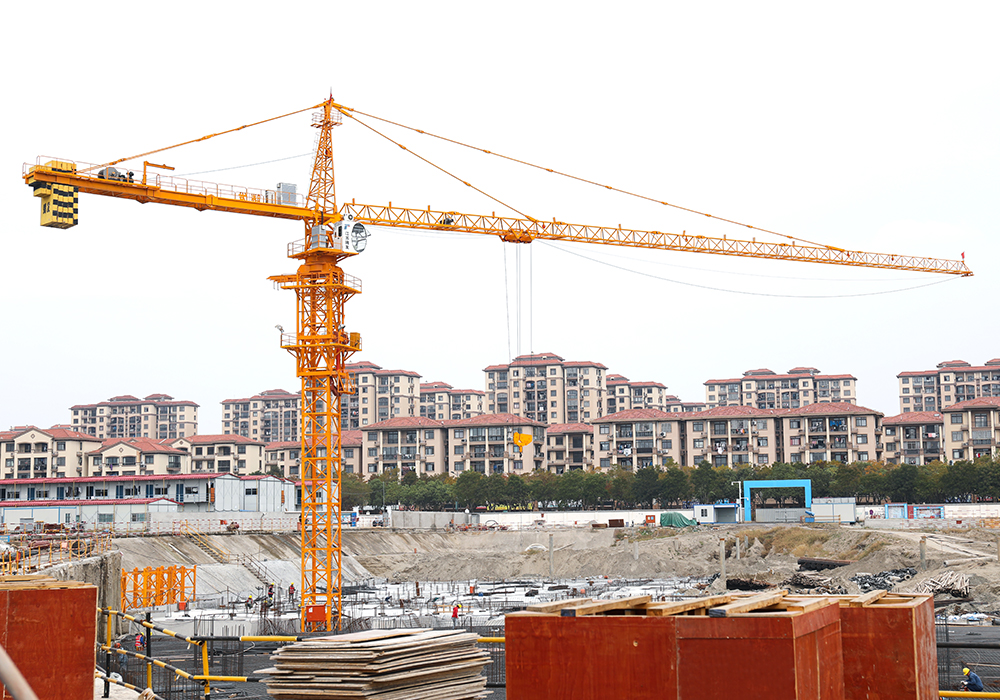
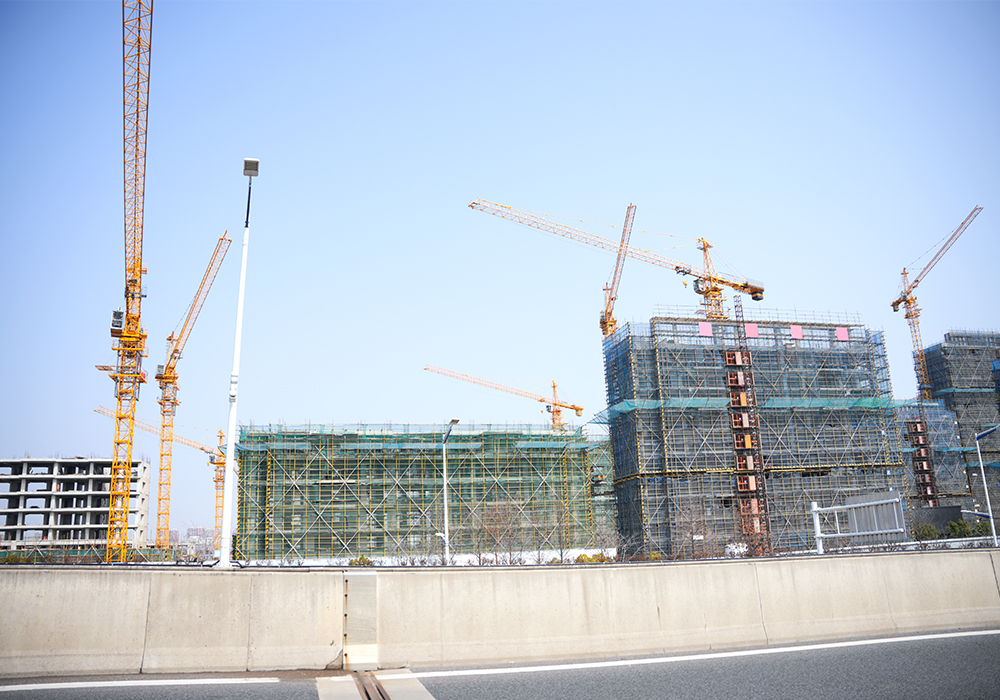 QTZ80 Topkit Tower Crane with 6-Ton Capacity and 58-60m JibThis topkit crane offers a 6-ton max load and jib lengths up to 60 meters. It is a durable horizontal-jib, trolley-slewing machine suitable for multi-purpose construction tasks.View Product →
When spare parts become difficult to source, the decision must weigh lifetime cost against immediate replacement capex. A structured tower crane spare parts evaluation will show whether keeping the crane is viable or whether the parts chain is the real bottleneck.
Frequently Asked Questions About Crane Life Span
How long does a tower crane typically last?
A tower crane typically lasts 20 to 30 years of structural design life under standard working classes, with operational life commonly reaching 25 to 40 years when properly maintained. Light-duty cranes in a controlled environment can exceed 30 years.
What is the most common cause of early tower crane retirement?
Corrosion and bolt loosening, not structural fatigue, are the most common causes. When anti-corrosion coating is neglected and joint bolts are not re-torqued, a crane can fail its statutory inspection years before the design life even begins to approach its limit.
Can a tower crane life span be extended through refurbishment?
Yes. Refurbishment, including welding repair, corrosion treatment, modern control system upgrades, and replacing hoist motors or safety controllers, often adds 10 to 15 years to a tower crane's economic life at 30 to 50 percent of the replacement cost.
Do different crane types have different life spans?
Yes. Topkit towers are robust but have more bolted joints; flat-head designs have a simpler load path; luffing-jib cranes add hinge wear. Working class and environmental exposure still outweigh the type difference in practice.