

 English
 русский
 Español
 中文简体
中文简体
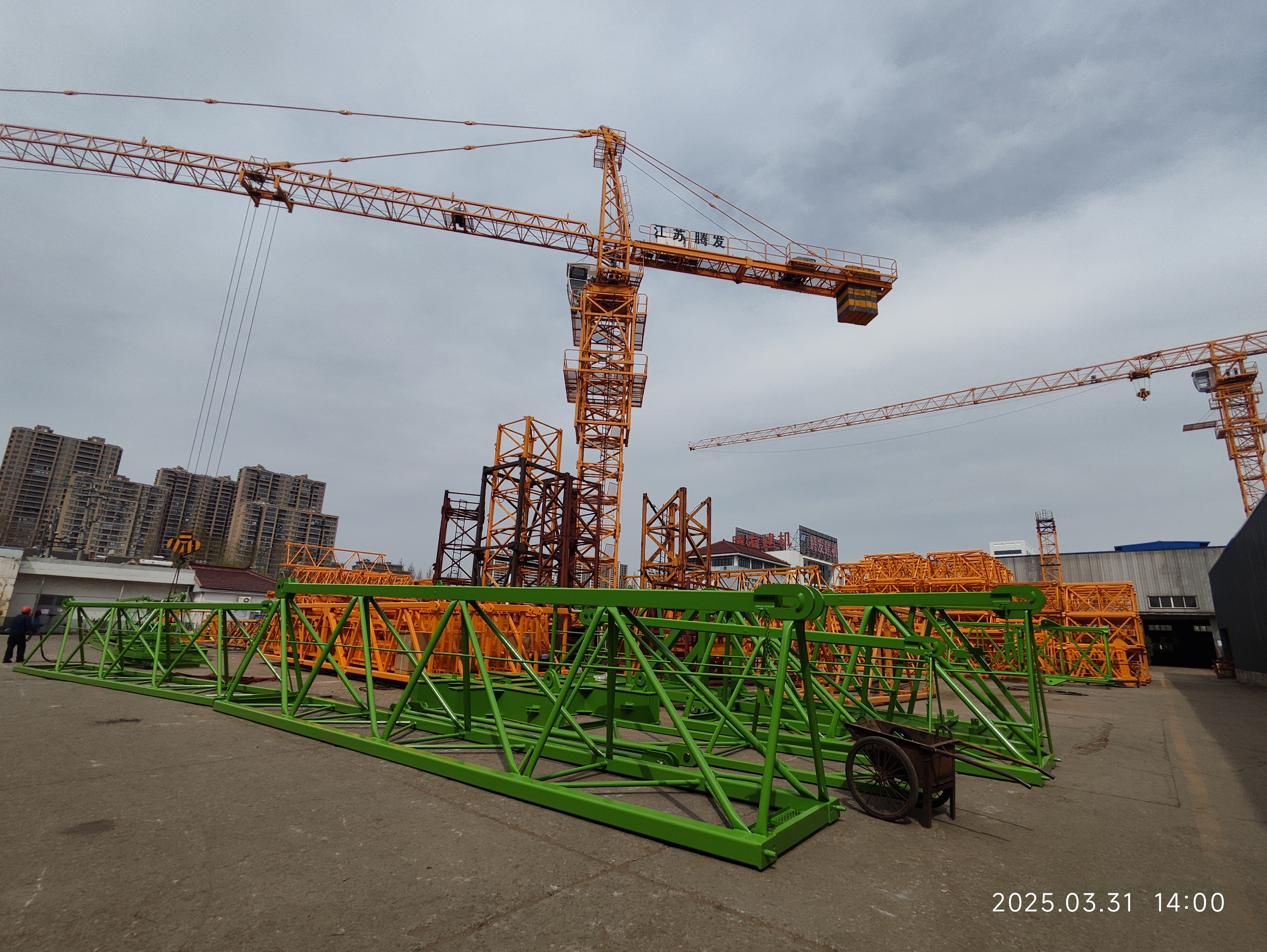
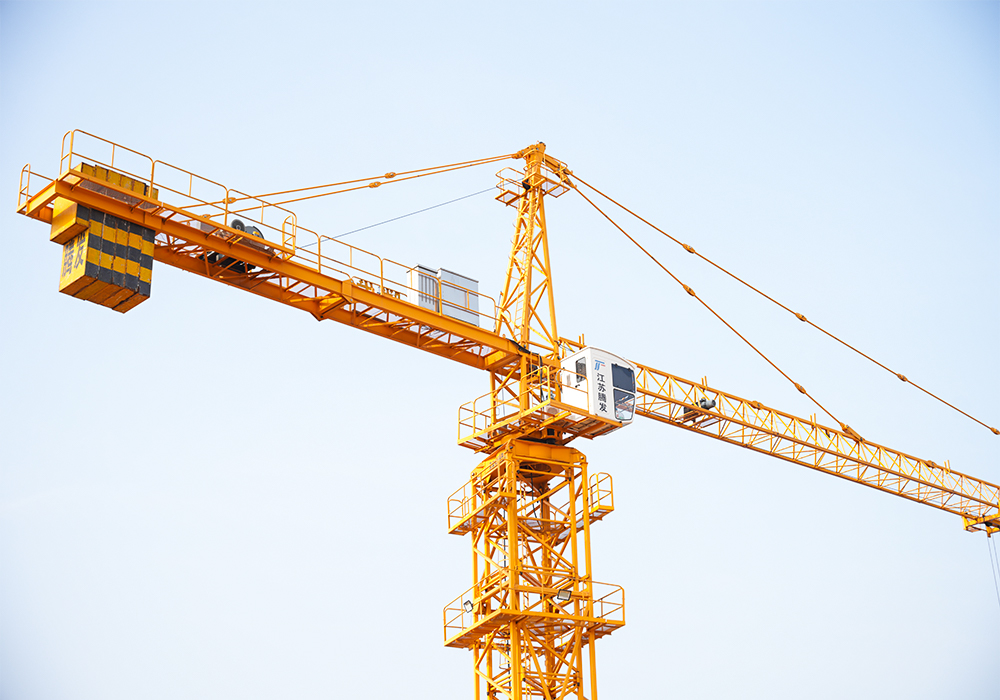
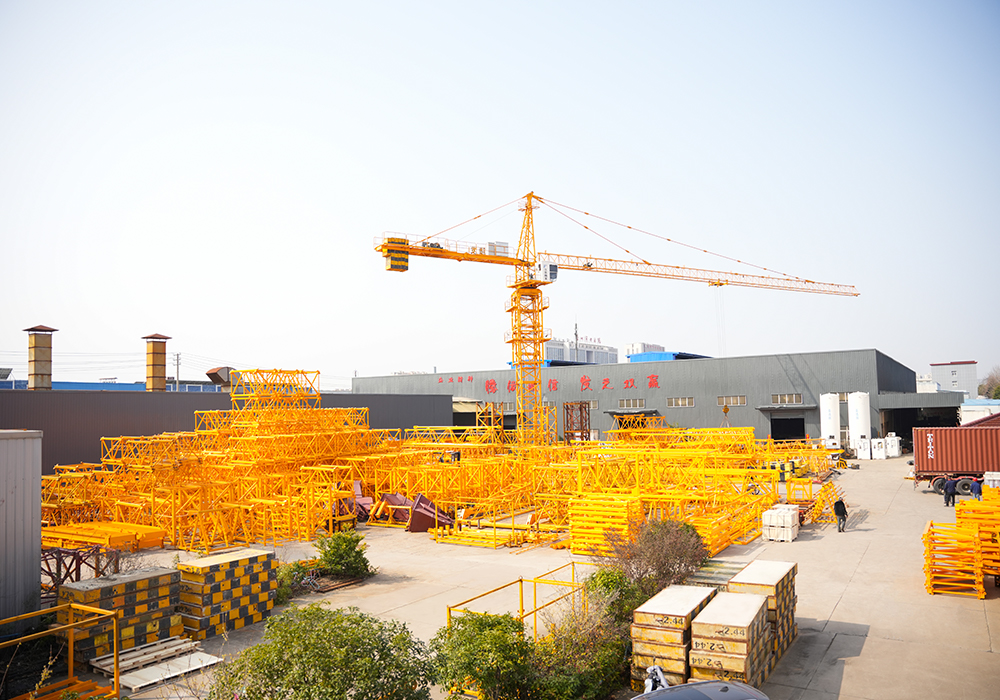
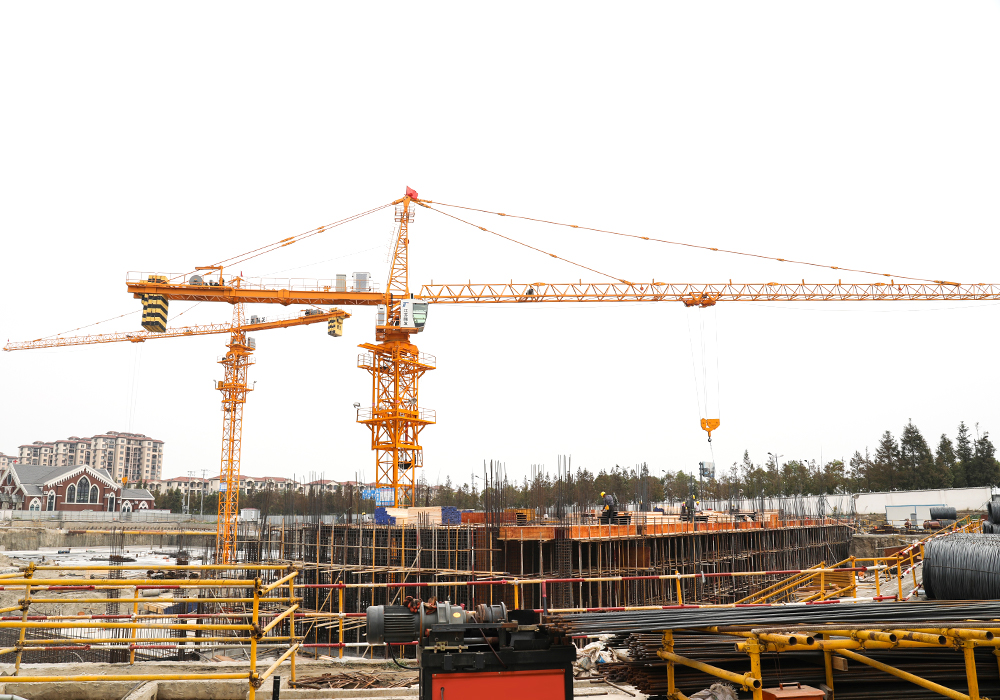
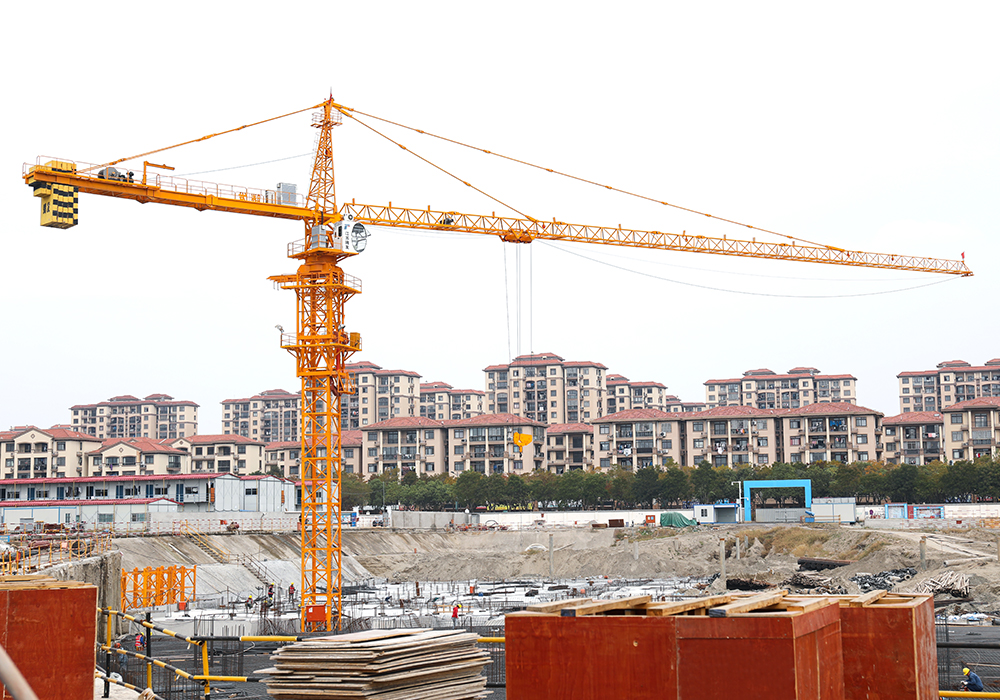
Tower cranes are indispensable equipment in modern construction, playing a crucial role in high-rise building, infrastructure and industrial projects. As urbanization accelerates globally and construction technologies advance, the tower crane industry is experiencing significant changes in market dynamics, safety requirements and technological innovation. This article provides the latest insights into the tower crane industry in 2026, covering market trends, safety standards, product types and selection guidelines to help construction professionals and manufacturers make informed decisions.
Content
- 1 1. Global Tower Crane Market Overview 2026
- 2 2. Key Types of Tower Cranes and Their Applications
- 3 3. 2026 Tower Crane Industry Trends
- 4 4. Tower Crane Safety Standards and Compliance 2026
- 5 5. Tower Crane Selection Guide for 2026
- 6 6. Frequently Asked Questions (FAQ) About Tower Cranes
- 6.1 Q1: What is the maximum lifting capacity of a tower crane in 2026?
- 6.2 Q2: How long does it take to erect a tower crane?
- 6.3 Q3: What are the key safety hazards associated with tower cranes?
- 6.4 Q4: Are tower crane operators required to have a licence?
- 6.5 Q5: What is the expected service life of a tower crane?
- 7 7. References
1. Global Tower Crane Market Overview 2026
The global tower crane market is showing steady growth in 2026, driven by increasing investments in urban infrastructure, high-rise construction and renewable energy projects. According to industry research, the global tower crane market size was estimated at USD 5.98 billion in 2025 and is projected to reach USD 9.49 billion by 2033, growing at a CAGR of 6.1% from 2026 to 2033. This growth is mainly fueled by rapid urbanization in emerging economies, the construction of megacities and smart urban planning initiatives.
Asia-Pacific remains the largest and fastest-growing market for tower cranes, accounting for 46.14% of the global market revenue in 2025, with an expected CAGR of 8.12% from 2026 to 2031. The Middle East and North America are also key growth regions, driven by large-scale infrastructure projects such as metro rail systems, airports and commercial complexes.
2. Key Types of Tower Cranes and Their Applications
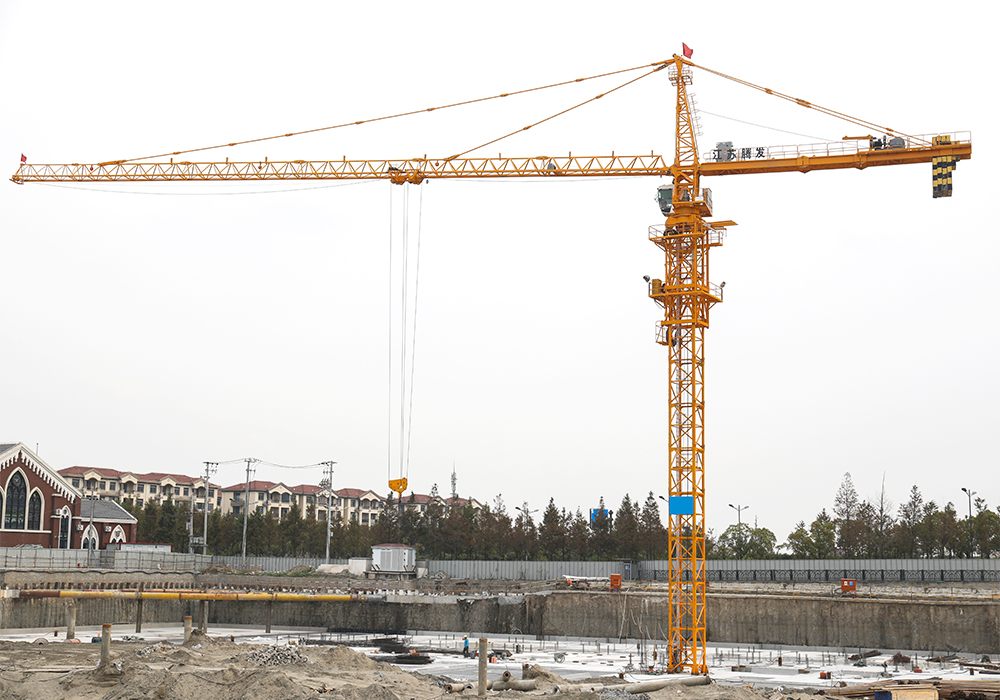
Tower cranes are available in various types, each designed to meet specific construction needs. The following table outlines the main types of tower cranes, their features and typical applications in 2026:
|
Tower Crane Type
|
Key Features
|
Typical Applications
|
|---|---|---|
|
Flat Top Tower Crane
|
No top tower, compact design, easy to assemble and disassemble, suitable for tight urban spaces
|
High-rise residential buildings, urban construction sites with limited space
|
|
Hammerhead Tower Crane
|
Fixed jib, high lifting capacity, stable operation, simple structure
|
Large-scale commercial buildings, industrial facilities, bridge construction
|
|
Luffing Jib Tower Crane
|
Adjustable jib angle, small swing radius, ideal for congested areas
|
Inner-city high-rise construction, projects near existing buildings or power lines
|
|
Self-Erecting Tower Crane
|
Compact size, quick to erect without additional equipment, lightweight
|
Small to medium construction projects, residential renovations, temporary construction sites
|
3. 2026 Tower Crane Industry Trends
3.1 Technological Innovation
Technological advancement is a key driver of the tower crane industry in 2026. Manufacturers are focusing on developing smarter, more efficient and safer tower cranes. Fibre technology is evolving from an innovation project into an established solution, offering enhanced repair options, extended service life and improved economic efficiency. Additionally, the integration of digital twin technology, IoT sensors and predictive maintenance software helps monitor crane performance in real time, reduce downtime and improve operational safety.
3.2 Shift to Rental Procurement Models
An increasing number of construction contractors are shifting from purchasing tower cranes to rental models. This trend is driven by the need to reduce capital investment, avoid equipment maintenance costs and adapt to fluctuating project demands. The rental market is consolidating, with major players acquiring smaller rental companies to expand their fleet and service coverage.
3.3 Focus on Energy Efficiency and Sustainability
With the global emphasis on carbon neutrality, the tower crane industry is moving towards energy-efficient and eco-friendly solutions. Manufacturers are developing battery-hybrid power units and electric tower cranes to reduce carbon emissions and energy consumption. Additionally, the use of recycled materials in crane manufacturing and the design of recyclable components are becoming more common.
4. Tower Crane Safety Standards and Compliance 2026
Safety remains a top priority in the tower crane industry, with strict regulations and standards enforced globally. In 2026, key safety requirements include compliance with OSHA standard 1926.1435, which outlines specific requirements for tower crane erecting, climbing, dismantling and operation.
Key safety measures for tower crane operation in 2026 include:
-
Foundations and structural supports must be designed by the manufacturer or a registered professional engineer and installed in accordance with the design.
-
Wind speed must not exceed the speed recommended by the manufacturer during operation.
-
Tower cranes must be erected plumb to the manufacturer's tolerance and verified regularly.
-
Operators must hold a high-risk work licence and undergo rigorous training to handle the crane safely.
-
Regular inspection and maintenance are required to ensure the crane is in good working condition, with detailed records kept for compliance.
5. Tower Crane Selection Guide for 2026
Selecting the right tower crane is critical to ensuring construction efficiency, safety and cost-effectiveness. The following factors should be considered when choosing a tower crane in 2026:
5.1 Project Requirements
Assess the project's lifting needs, including maximum lifting load, lifting height, jib length and working radius. For example, high-rise construction projects may require luffing jib tower cranes with large lifting capacity and adjustable jib angles, while small residential projects may be suitable for self-erecting tower cranes.
5.2 Site Conditions
Consider the size of the construction site, ground conditions, accessibility and nearby obstacles such as buildings or power lines. Flat top tower cranes are ideal for tight urban sites, while hammerhead tower cranes are more suitable for open construction sites with large working areas.
5.3 Cost and Budget
Evaluate the total cost of ownership, including purchase or rental costs, installation and dismantling costs, maintenance costs and energy consumption. Rental models may be more cost-effective for short-term projects, while purchasing is better for long-term, continuous use.
5.4 Manufacturer Reputation and Support
Choose a reputable tower crane manufacturer with a proven track record of quality and reliability. Ensure the manufacturer provides comprehensive after-sales support, including maintenance services, spare parts supply and technical assistance.
6. Frequently Asked Questions (FAQ) About Tower Cranes
Q1: What is the maximum lifting capacity of a tower crane in 2026?
A1: The lifting capacity of tower cranes varies by type and model. In 2026, the latest models can lift up to 240 tonnes, such as Zoomlion's LW 3600-240 NB, which holds the record for the world's largest wind power luffing jib tower crane with a capacity of 240 tonnes. Most standard tower cranes have a lifting capacity between 6 and 50 tonnes.
Q2: How long does it take to erect a tower crane?
A2: The erection time depends on the type of tower crane, site conditions and the size of the crew. Self-erecting tower cranes can be erected in a few hours, while large tower cranes for high-rise projects may take 2 to 3 days to erect and commission.
Q3: What are the key safety hazards associated with tower cranes?
A3: The main safety hazards of tower cranes include falling objects, structural collapse, contact with power lines and difficult access for rescuing injured workers. These hazards can be minimized by following safety standards, regular inspection and proper operator training.
Q4: Are tower crane operators required to have a licence?
A4: Yes, tower crane operation is a high-risk work, and operators must hold a valid high-risk work licence in most countries. Operators also need to undergo regular training and certification to ensure they are familiar with the latest safety regulations and equipment operation.
Q5: What is the expected service life of a tower crane?
A5: The service life of a tower crane depends on factors such as maintenance, usage frequency and operating conditions. With proper maintenance and regular inspection, a tower crane can have a service life of 15 to 20 years. Fibre technology-equipped cranes can have an extended service life of up to 14 years.
7. References
-
Tower Crane Market Size, Share & Trends Analysis Report By Product, By Region, And Segment Forecasts, 2026 - 2033
-
Occupational Safety and Health Administration, Tower Cranes Standard 1926.1435
-
Global Tower Crane Competitive Landscape Professional Research Report 2025
-
Tower Crane Market (2026 - 2036) by Future Market Insights, Inc
-
Tower Cranes Market Size & Share Analysis - Growth Trends and Forecast (2026 - 2031) by Mordor Intelligence™
-
Tower Crane Questions and Answers by Fortis Heavy Lift Group
-
Optimization Algorithm for Automatic Layout of Tower Cranes by Korea Science