

 English
 русский
 Español
 中文简体
中文简体
On most multi-story commercial construction projects, the tower crane is selected before the building's foundation is even finished — its placement, height, and capacity are locked into the site logistics plan early because relocating or upgrading a tower crane mid-project is costly and disruptive. Choosing the right crane machine for a construction site comes down to matching lifting capacity and reach against the building's height, footprint, and the heaviest loads that will need to move during the build.
Content
How Tower Cranes Differ from Other Crane Machines on Construction Sites
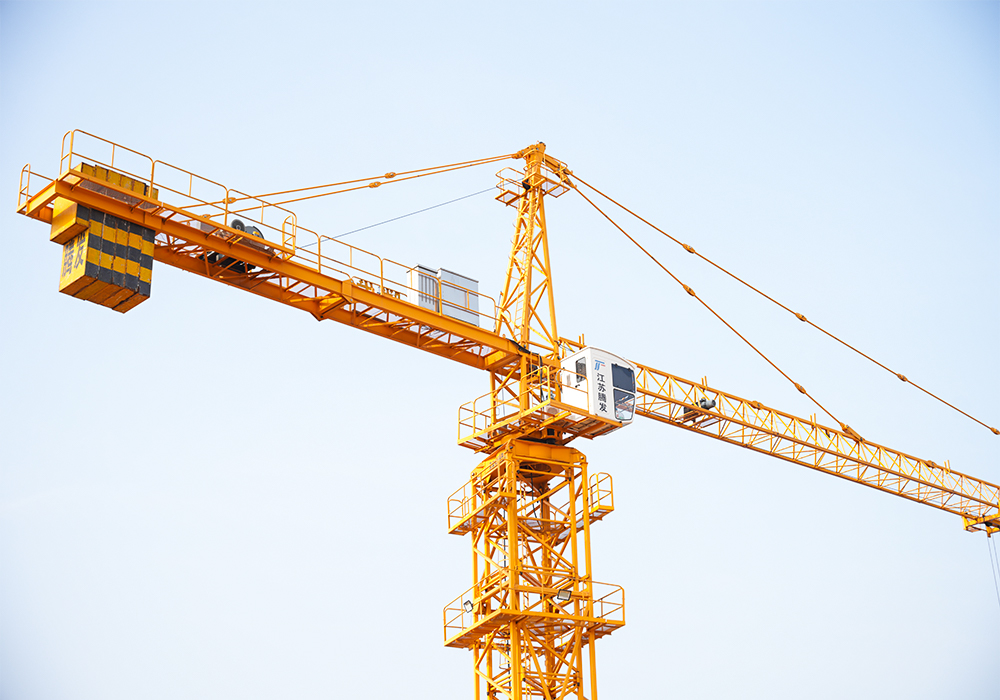
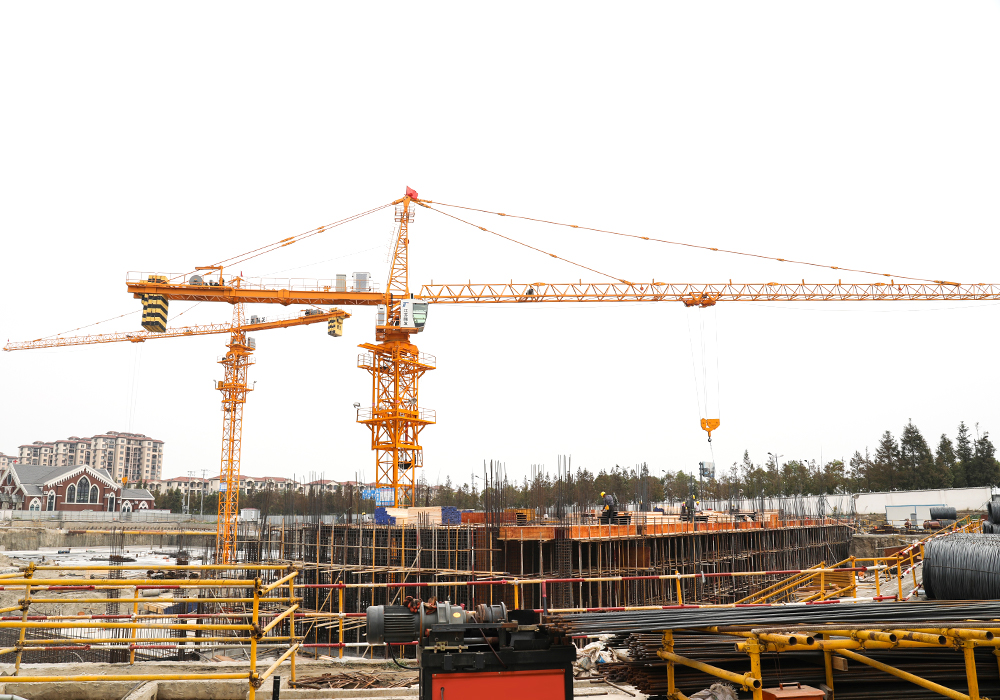
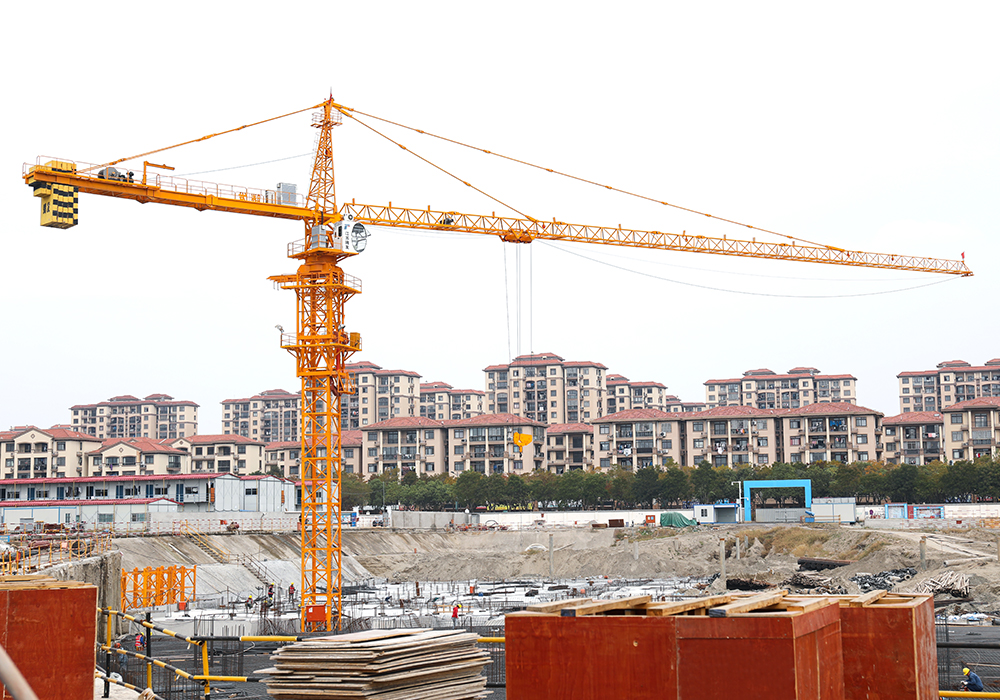
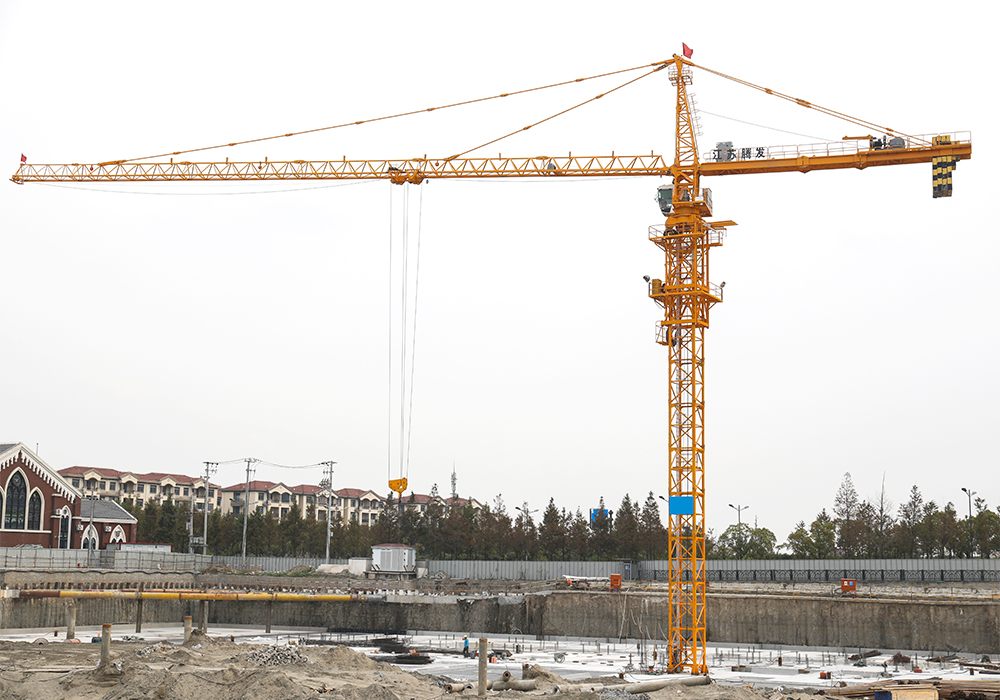
A tower crane consists of a vertical mast anchored to a foundation or attached to the building structure as it rises, a rotating jib (the horizontal arm), a counter-jib carrying counterweights, and an operator cab positioned at the top. This fixed-position design gives tower cranes a major advantage on tall, dense urban sites: they occupy a small footprint at ground level while still reaching across the entire building envelope and beyond.
Other common crane types used in commercial construction serve different roles:
- Mobile cranes (truck-mounted or rough terrain): Used for shorter-duration lifts, site setup, or as a secondary crane alongside a tower crane for ground-level material handling
- Crawler cranes: Track-mounted cranes offering high capacity without outriggers, often used for heavy lifts like steel beams or precast components on low-rise or industrial sites
- Self-erecting cranes: Smaller cranes that fold out from a transportable base without external assembly cranes, suited to residential or low-rise commercial projects with space constraints
- Luffing jib tower cranes: A tower crane variant where the jib angle can be raised or lowered rather than staying horizontal, allowing operation in tight urban sites where the jib can't swing freely over neighboring properties
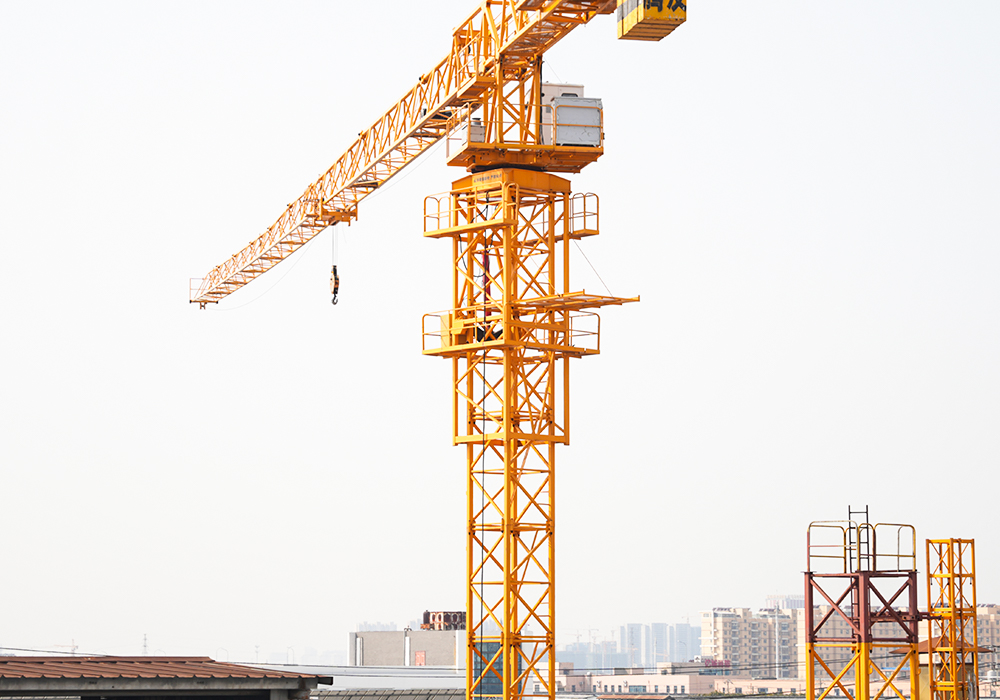
Key Specifications That Determine Tower Crane Selection
Selecting a tower crane for a project starts with three interrelated specifications, each of which constrains the others — increasing one often means accepting a reduction in another.
| Specification | What It Determines | Trade-off |
|---|---|---|
| Maximum jib radius | How far the crane can reach horizontally from the mast | Longer jib reduces maximum lifting capacity at full radius |
| Maximum lifting capacity | Heaviest load the crane can lift, typically rated at the jib tip and near the mast | Higher capacity generally requires a larger mast and more counterweight |
| Hook height / under-hook height | Maximum building height the crane can service | Taller masts require tie-ins to the building structure at intervals for stability |
Load charts published by crane manufacturers express capacity as a curve rather than a single number — a crane rated to lift several tons near the mast may be limited to a fraction of that weight at maximum jib radius, which is why the heaviest anticipated lifts (such as precast panels or HVAC units) need to be checked against the load chart at their actual delivery position, not just against the crane's headline capacity figure.
Foundation, Anchoring, and Climbing Systems for Tower Cranes
A tower crane's mast must be supported in a way that handles both the vertical load of lifted materials and the overturning forces created by wind acting on the jib and counter-jib, especially as the crane reaches its full height. Three general foundation approaches are used depending on site conditions and project height:
- Independent (free-standing) foundation: The crane sits on its own concrete base, separate from the building, typically used for lower-height cranes or where the building structure isn't yet capable of supporting tie-ins.
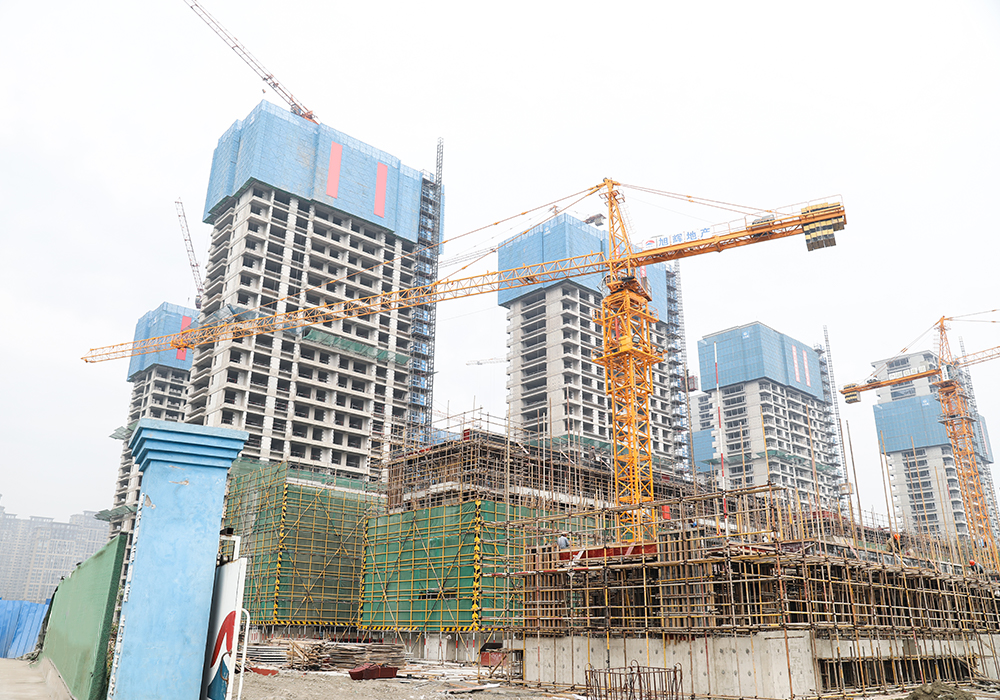
- Tied-in (anchored) configuration: As the building rises, the mast is secured to the building structure at intervals using collar frames, allowing the crane to operate at heights well beyond what an independent foundation could support.
- Internal climbing crane: The crane is positioned within the building's core (such as an elevator shaft) and "climbs" upward as floors are completed, using hydraulic climbing frames — this approach keeps the crane's footprint entirely within the building and is common on very tall structures.
Wind loading calculations are a critical part of foundation and anchoring design — a tower crane's published maximum operating wind speed and out-of-service (storm) wind speed ratings differ significantly, and the crane must be left in a "weathervaning" free-slewing state during high winds when not in operation to avoid excessive stress on the mast and anchoring points.
Planning Crane Logistics for Commercial Construction Sites
Beyond the crane itself, several logistical factors determine how effectively a tower crane integrates into the overall construction schedule, and poor planning in these areas is a common source of project delays.
- Erection and dismantling access: A mobile or assist crane is required to erect the tower crane initially and to dismantle it at project completion — the assist crane's required capacity and access route should be planned before the tower crane arrives on site
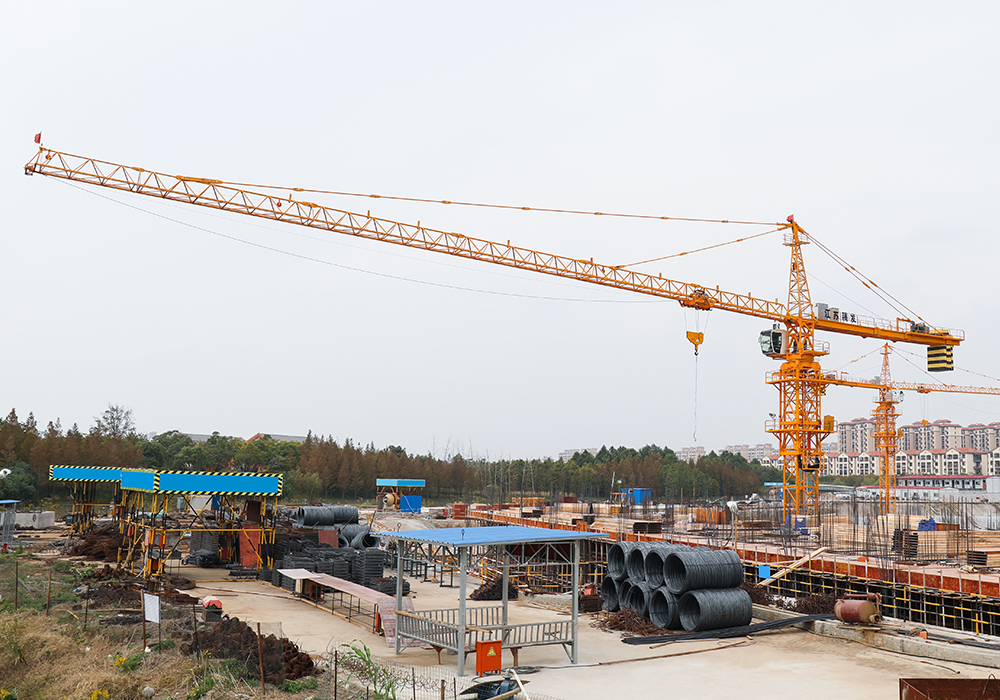
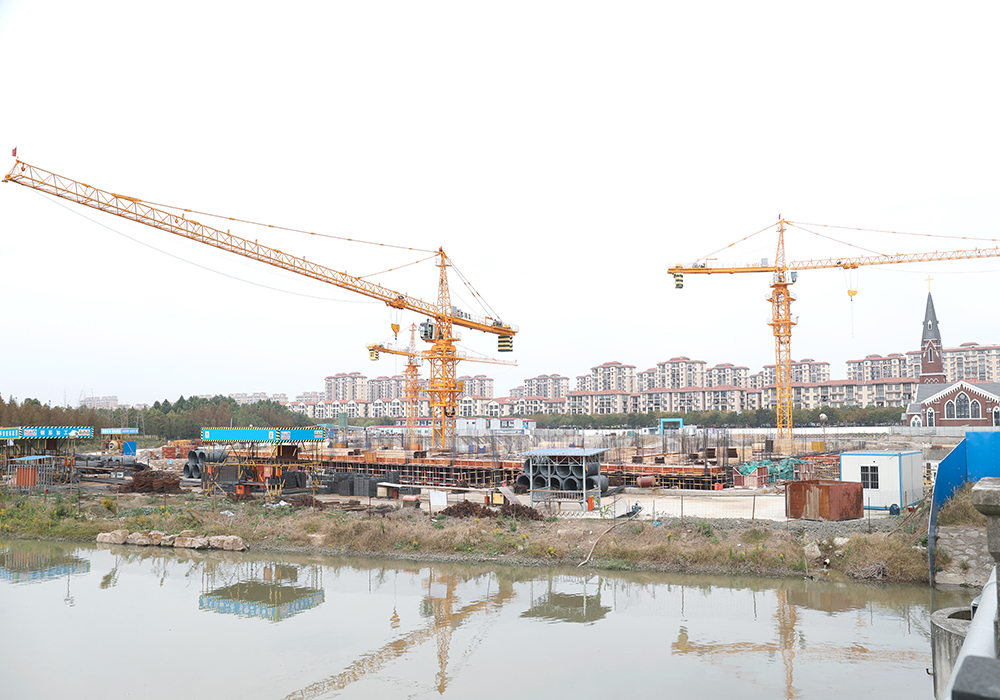
- Multiple crane coordination: On larger sites with two or more tower cranes, overlapping work zones require anti-collision systems and coordinated lift scheduling between operators
- Neighboring property oversail: In dense urban areas, the crane's jib may need to swing over adjacent properties, which often requires legal oversail agreements with neighboring owners before the crane is erected
- Power supply and operator amenities: Tower cranes require a dedicated electrical supply sized for peak motor loads, along with safe access (typically an external ladder or hoist) for operators to reach the cab at height
- Inspection and certification schedules: Most jurisdictions require periodic structural and operational inspections throughout the crane's time on site, with documentation that needs to be maintained alongside the project's safety records
Because the tower crane often sits at the center of a site's overall sequencing — concrete pours, steel erection, and material deliveries all compete for crane time — many projects schedule a dedicated crane coordinator role to manage daily lift priorities and avoid bottlenecks that can ripple through the entire construction timeline.