

 English
 русский
 Español
 中文简体
中文简体
Content
How Tower Cranes Reach the Top of Skyscrapers
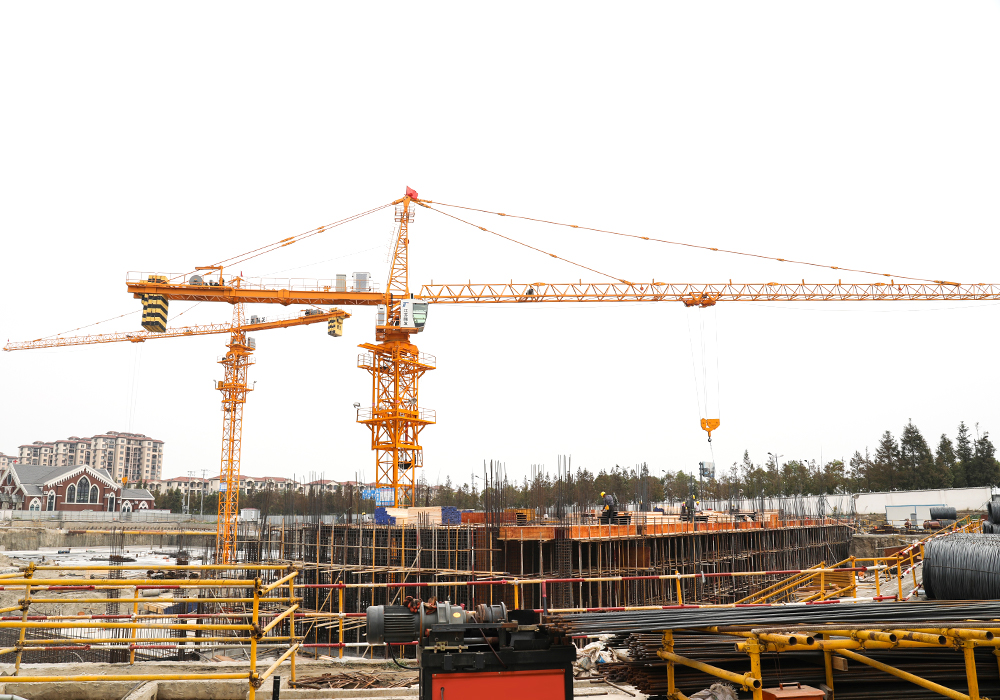
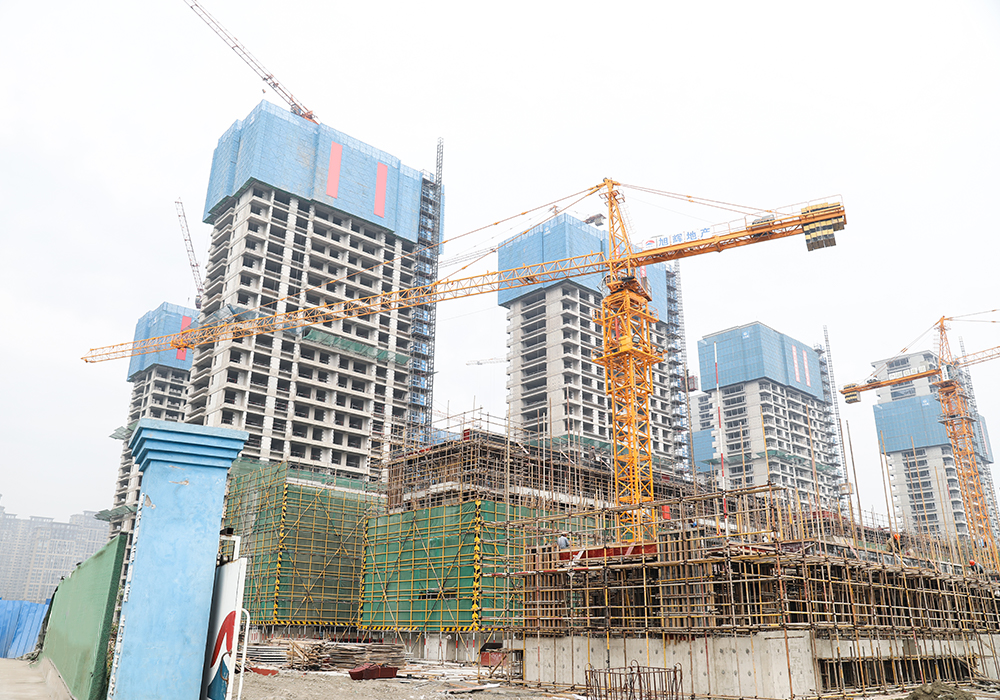
The sight of a heavy tower crane perched hundreds of meters above a city often raises the question: how did it get up there? The answer is a self-contained climbing process. The crane does not lift itself in one piece; instead, it uses a hydraulic climbing frame to insert additional mast sections, effectively growing taller as the building rises.
There are two primary methods. The most common is internal climbing, where the crane is positioned inside the building’s core (usually an elevator shaft). Hydraulic rams push the entire crane up, allowing a new mast section to be slid into the gap. The crane literally builds the structure around itself. For smaller projects, external climbing is used, where the climbing frame is attached to the outside of the building, and the crane pushes itself up against the facade. At the end of the project, a smaller mobile crane or derrick disassembles the tower crane piece by piece.
Different Types of Construction Cranes and Their Specific Roles
Understanding the different types of construction cranes is critical to optimizing a project's budget and timeline. While heavy tower cranes dominate the skyline, the industry relies on a variety of specialized lifting equipment. Each type serves a distinct phase of construction, from foundation excavation to final steel erection.
Hammerhead Cranes: The Horizontal Heavyweight
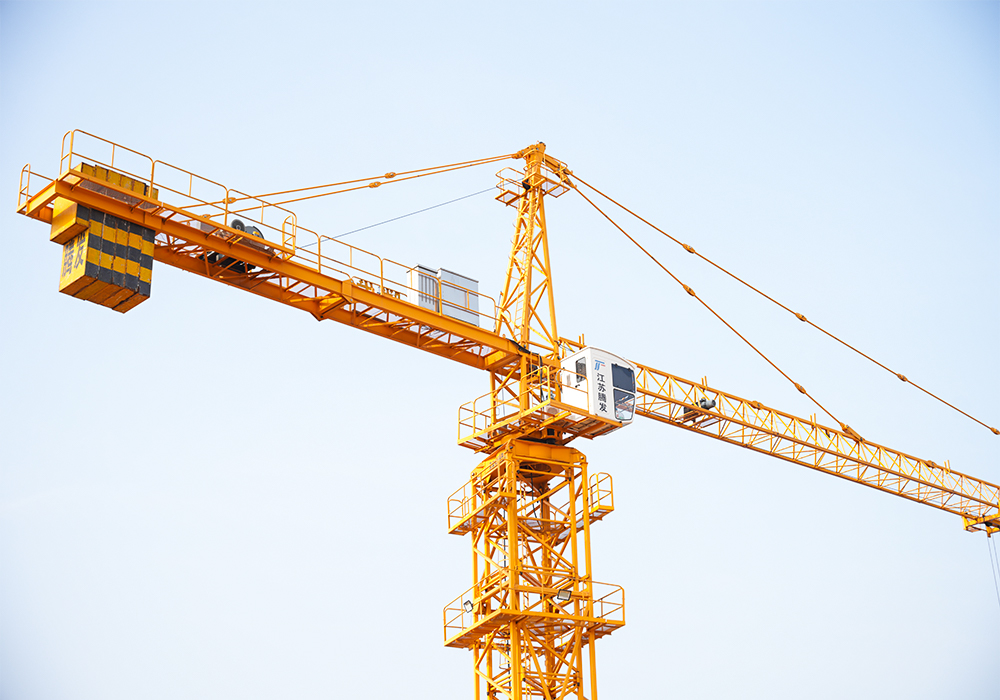
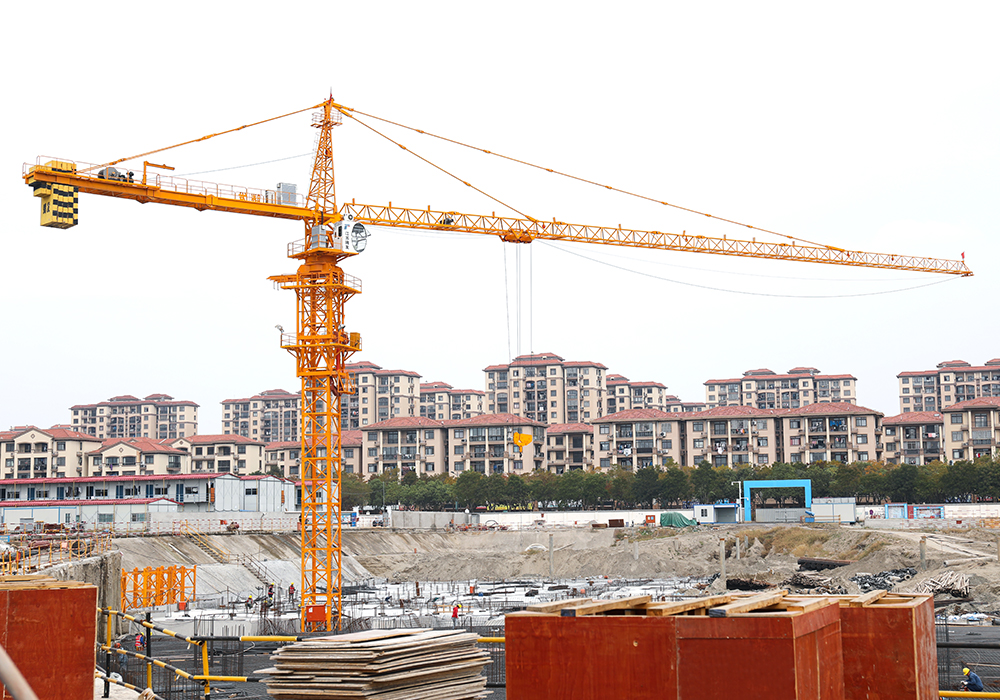
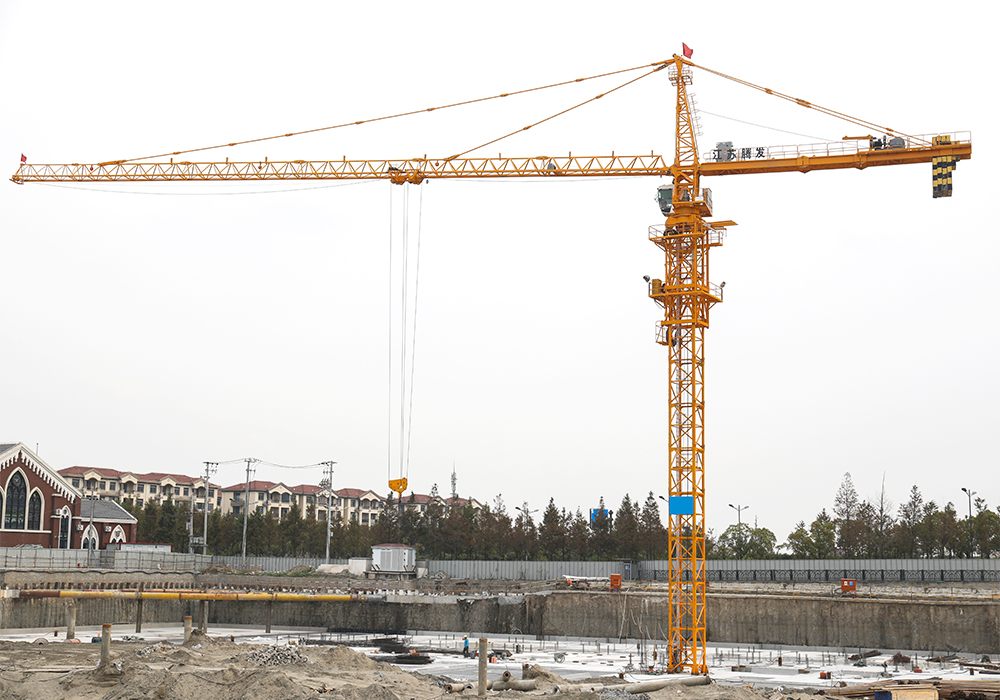
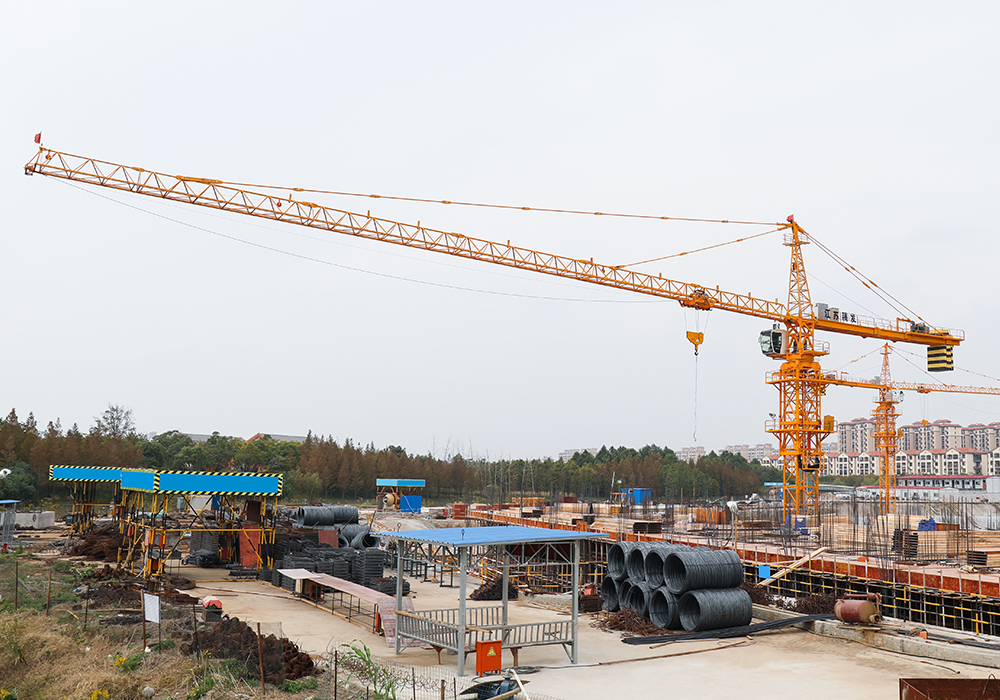
Arguably the most recognizable heavy tower crane design, the hammerhead features a long, horizontal jib that swivels on a vertical tower. The trolley moves loads along the jib, offering excellent precision. With maximum lift capacities often exceeding 50 metric tons, these are favored for high-rise construction where heavy steel beams or precast concrete panels must be placed with millimeter accuracy.
Luffing Jib Cranes: The Urban Problem-Solver
In dense city centers where multiple cranes often swing close to each other or neighboring properties, the luffing jib crane is essential. Unlike the fixed horizontal jib, the luffing boom can angle up and down. This drastically reduces the slewing radius, allowing it to operate safely in tight "urban canyons" without risking collision with other structures or cranes.
Crawler Cranes: The Ground-Level Powerhouse
Before a tower crane is even erected, crawler cranes do the heavy groundwork. Equipped with tracks instead of wheels, they can traverse soft, muddy terrain on massive job sites. Their primary role involves pile driving, lifting heavy equipment out of deep excavations, and actually assembling the initial sections of the heavy tower crane itself. These machines are pure strength, with some models boasting capacities beyond 3,000 tons.
The Engineering Behind a Heavy Tower Crane's Stability
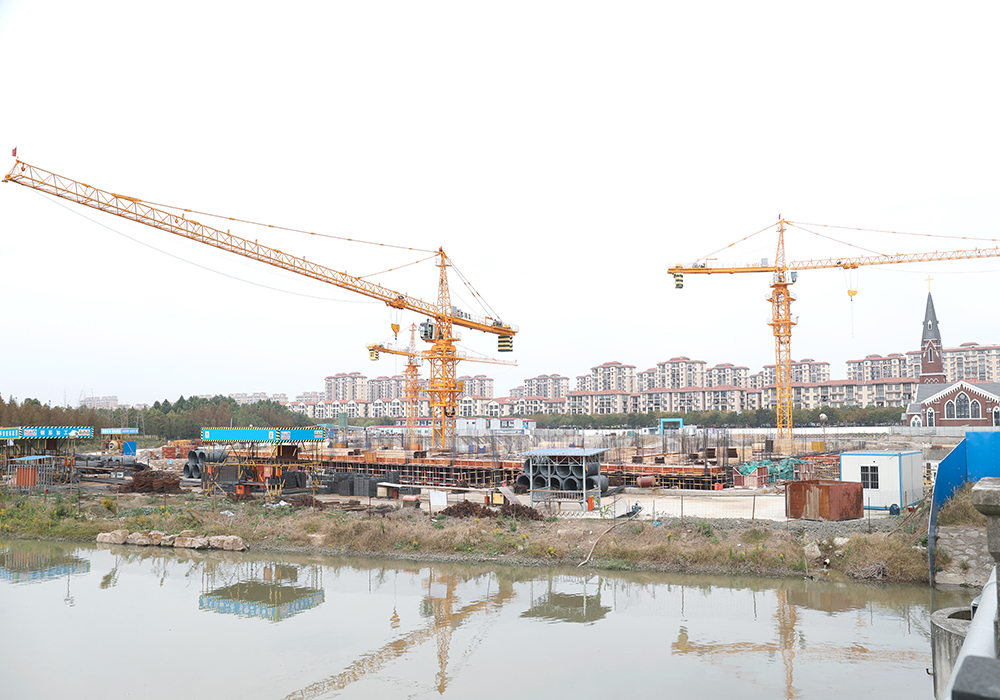
A tall structure is only as good as its foundation. For a heavy tower crane, stability is not about brute weight but calculated physics. The crane is anchored to a massive reinforced concrete pad foundation, often measuring 10 meters by 10 meters and several meters deep. The mast is bolted to anchor bolts embedded in this concrete block, which counters the overturning moment created by the lifted load.
When cranes climb with a building, the structure provides lateral support. Mast ties are connected from the crane mast to the completed floors of the building at regular intervals, typically every 20 to 30 meters. This transforms the freestanding crane into a supported structure, preventing buckling. Operators rely on load moment indicators (LMI) to ensure the combination of the load's weight and radius never exceeds the crane's rated capacity chart.
Choosing the Right Crane for High-Rise Projects
Selecting from the different types of construction cranes involves a detailed analysis of load charts and site constraints. The decision between a hammerhead and a luffing jib heavy tower crane often comes down to the project's footprint and the proximity of air rights boundaries.
| Crane Type | Max Lifting Capacity | Ideal Use Case | Key Advantage |
|---|---|---|---|
| Hammerhead | 50+ tons | Open, large-footprint skyscrapers | Maximum horizontal reach and speed |
| Luffing Jib | 30-40 tons | Dense urban areas with multiple cranes | Smallest slewing radius for tight sites |
| Self-Erecting | 5-10 tons | Low-rise residential (up to 10 stories) | Rapid setup without large assist crane |
The logistics of getting a heavy tower crane to the top also influence the choice. While internal climbing systems offer safety and protection from weather, they require the building's core to be strong enough to bear the crane's vertical loads. External climbing ties must be carefully engineered to avoid damaging the facade. Ultimately, the question of "how do you get cranes on top of buildings" dictates not just the assembly process, but the entire structural integration plan from day one of the design phase.