

 English
 русский
 Español
 中文简体

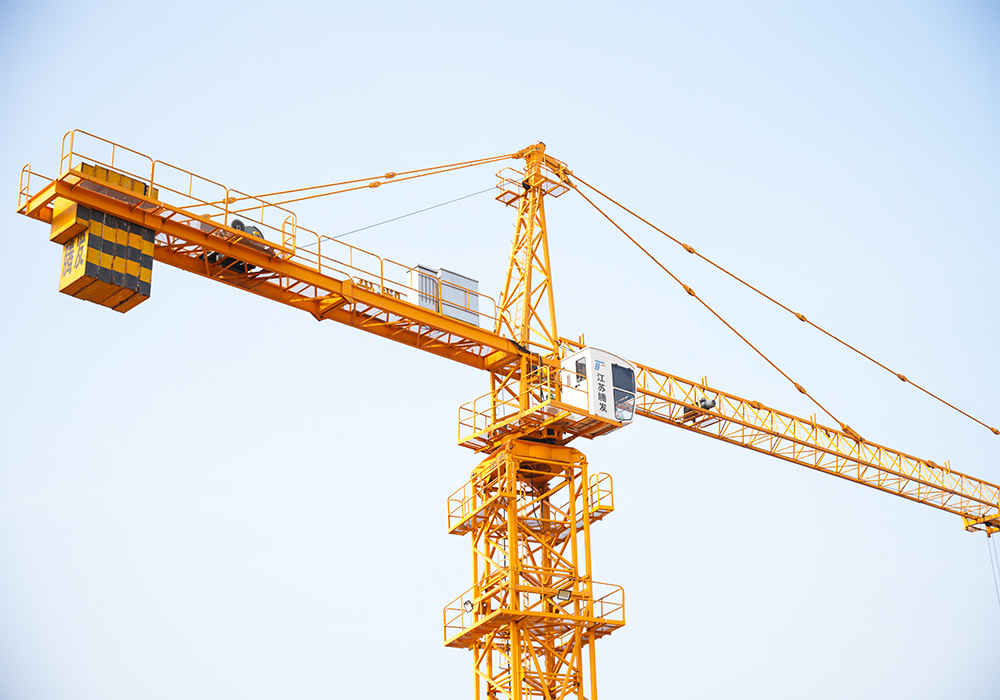
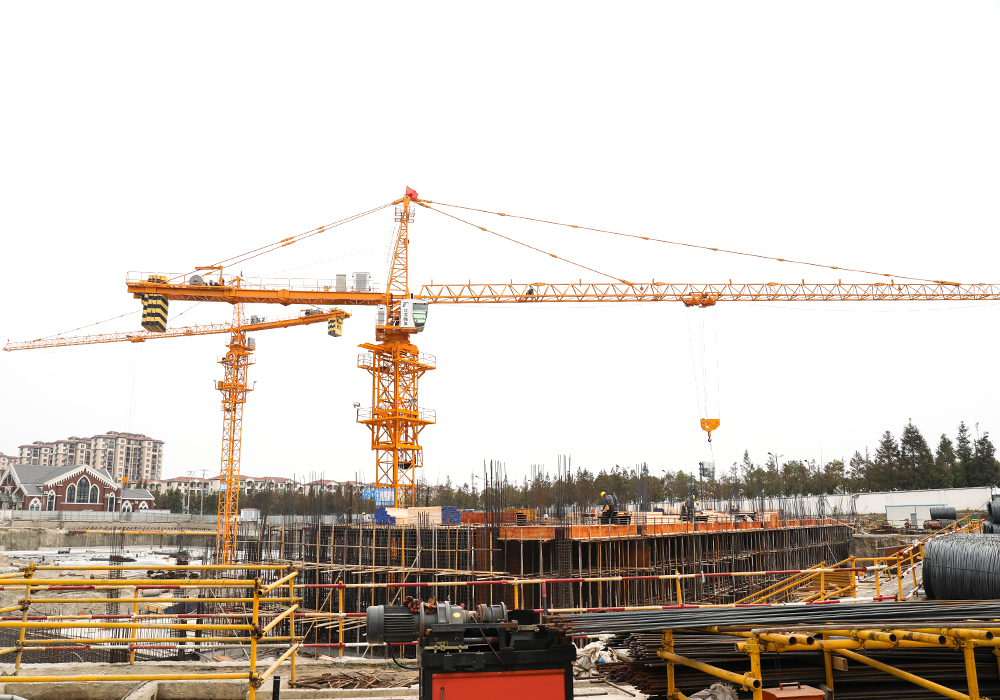
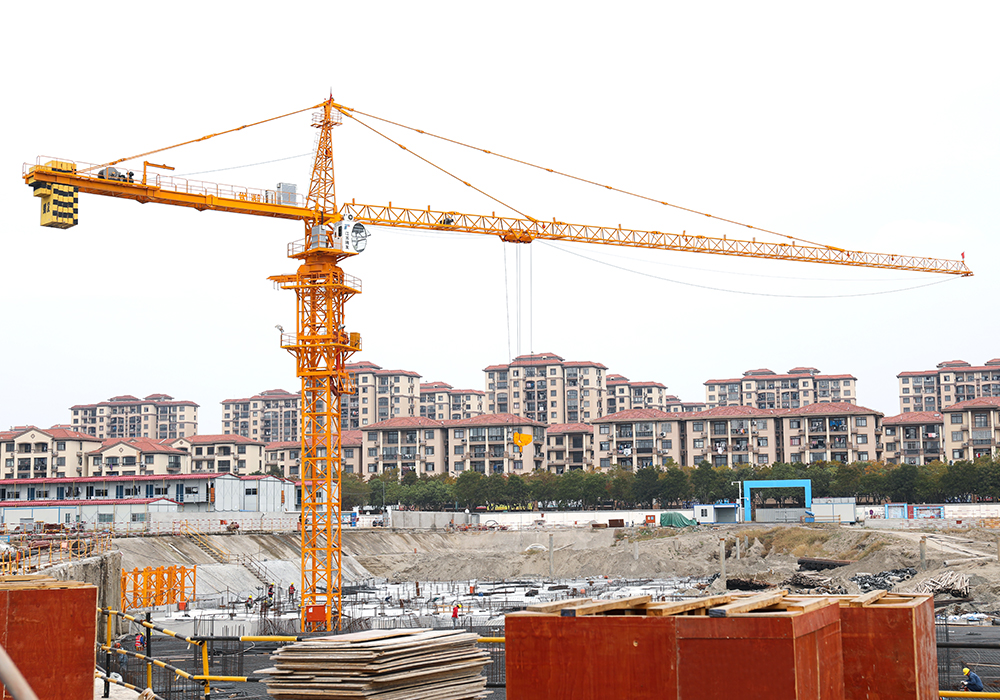
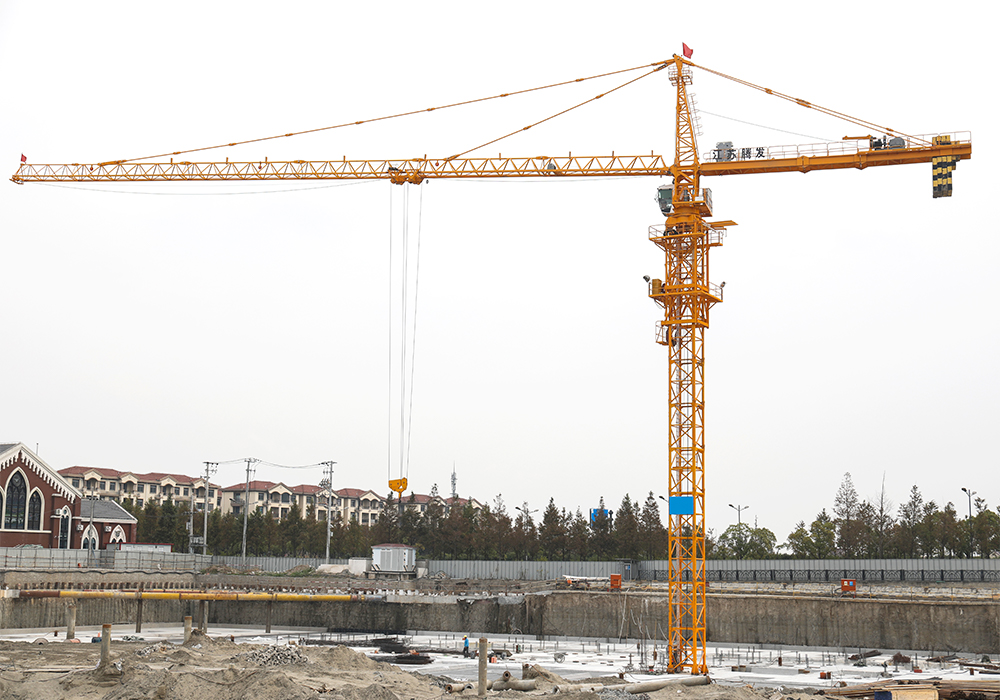
A tower crane mast is the vertical backbone of the machine. Every load lifted by the jib passes through the mast sections down to the foundation, so the straightness and integrity of these lattice frames directly affect safety and equipment life. When mast section distortion appears, bolted joints no longer sit flush, loads shift off center, wear accelerates, and fatigue stress builds in welds. Understanding what causes frame deformation and how to prevent it is essential for contractors, equipment owners, and maintenance teams working with tower cranes and construction lifts.
Content
- 1 What Is Mast Section Distortion and Why Does It Matter?
- 2 What Causes Mast Section Distortion?
- 3 Common Types of Mast Frame Deformation
- 4 How to Prevent Mast Section Distortion and Frame Deformation
- 5 Detecting and Correcting Frame Deformation
- 6 Frequently Asked Questions
- 7 Conclusion: Straight Frames Start with Controlled Processes
What Is Mast Section Distortion and Why Does It Matter?
Mast section distortion is a permanent change in the geometry of a welded lattice frame. Unlike elastic deflection, it does not disappear when the load is removed. It remains after cooling and after unloading, and it usually gets worse with every load cycle.
A typical mast section consists of vertical chord members, diagonal braces, and horizontal tie plates welded into a modular frame. On site, frames are stacked and joined with high-strength bolts. The bolted interface must be perfectly flush to keep the load path centered. Even a few millimeters of distortion misaligns bolt holes, forces erection crews to pull the joint together, and introduces hidden bending moments into the tower. Over time, the tower drifts out of plumb and fatigue cracks can appear at weld toes.
- Mast straightness: commonly checked against about 1/1,000 of the free-standing tower height.
- Bolt preload: re-torque high-strength bolts after the first period of operation.
- Joint gap: a gap beyond a few millimeters at a bolted interface is a warning sign.
What Causes Mast Section Distortion?
Mast section distortion can appear during fabrication, transport, or service. In nearly every case, the root cause is uneven thermal stress or uneven mechanical loading.
Welding Heat Input and Shrinkage
Welding is the primary source of distortion in fabricated mast frames. The weld pool exceeds 1,500 degrees Celsius while the surrounding metal stays cool. As the weld cools, it contracts, and the colder parent metal restricts that contraction, locking plastic deformation into the joint. Larger welds and higher heat input create greater shrinkage and more visible distortion. Long continuous welds and oversized fillet welds are common culprits.
Uneven Cooling and Residual Stress
A mast section is a network of short members welded from many angles. The cooling of one weld changes the stress state of neighboring welds. An unbalanced welding sequence makes the frame slightly curved or twisted. Residual stresses can exceed the yield strength of the steel in localized zones, which is how permanent bending begins.
Material Properties and Section Thickness
Thinner plates cool faster and are more vulnerable to buckling; thicker plates are stiffer but require more heat, expanding the shrinkage zone. Material toughness matters too: a fine-grained steel with good toughness absorbs more residual stress without cracking. The influence of material toughness on mast section safety should not be underestimated when selecting steel.
Poor Fit-Up and Joint Design
Poor fit-up starts the deformation before welding begins. Chord members cut to the wrong length, loose diagonal joints, and small tack welds all allow movement during welding. Asymmetric joint designs pull the frame to one side; symmetrical joints with balanced weld metal produce far less distortion.
Common Types of Mast Frame Deformation
Recognizing the pattern of deformation helps with early detection. The table below covers the most common distortion types in mast and frame sections.
| Type | Main Cause | Typical Effect on the Mast |
|---|---|---|
| Longitudinal shrinkage | Cooling of the weld along its length | Chord members shorten, tower leans |
| Transverse shrinkage | Cooling across the weld joint | Flanges pull together, bolt spacing changes |
| Angular distortion | Uneven stress across the plate thickness | Flange tilts at the joint, uneven bearing |
| Bowing | Asymmetric weld placement or uneven heating | Member curves along its length |
| Twisting | Unbalanced weld sequence at corner joints | Ends of the section rotate relative to each other |
How to Prevent Mast Section Distortion and Frame Deformation
Preventing frame deformation requires discipline at two levels: in the factory during fabrication, and on site during handling, erection, and maintenance.
Balance the Welding Sequence
Place weld beads symmetrically and alternate between opposite sides of the frame. Backstep welding, where each bead is laid in short, opposite-direction increments, spreads shrinkage evenly. The frame stays balanced at every cooling stage.
Control Heat Input and Bead Size
Use the minimum weld size required by design. Lower current, proper travel speed, and a smaller electrode keep the heat-affected zone narrow. Controlled preheating on thick material reduces the temperature gradient that drives distortion.
Use Fixtures, Restraints, and Pre-Set Angles
An assembly jig holds every member in position while welds cool. Clamps and tack welds stop the small movements that later become visible distortion. Pre-set angles, where the joint is bent slightly against the expected shrinkage, let the frame settle into the correct shape.
Select Quality Materials and a Reliable Supplier
The best prevention starts with the steel. Fine-grained structural steel with guaranteed toughness, clean cut edges, and accurately machined bolt holes reduces the risk of deformation. A manufacturer that controls welding procedures and checks every finished section will deliver mast components that stay straight in service.
In some cases, replacing a damaged segment with a factory-produced unit is more reliable than field repair.
 Factory-Produced Sliced Tower Crane Standard SectionA factory-made replacement section offers a reliable fix for damaged tower crane masts, ensuring dimensional accuracy and structural integrity without uncertain field repairs.View Product →
Handle and Erect with Care
Transport can distort a straight section as easily as welding. Never drag sections across concrete; support them on timber dunnage at the designated lifting points. During erection, align all bolt holes before inserting fasteners and follow the specified torque sequence to avoid twisting the joint. The bolted connection is part of the structure.
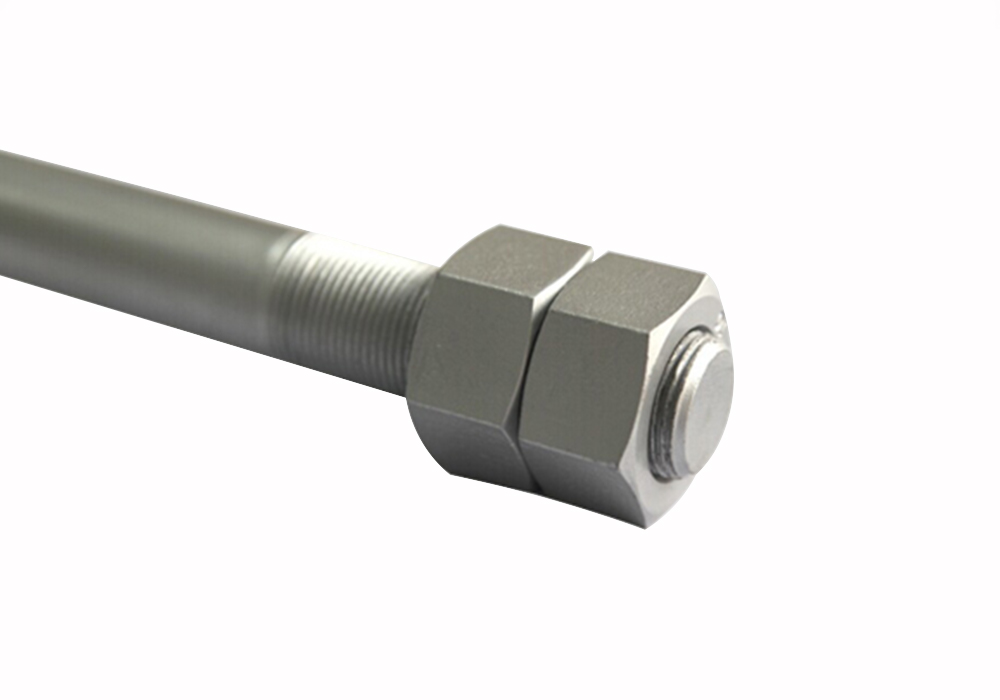 High-Strength Bolt for Tower Crane Joint AssemblyProper bolting is essential to prevent joint twist during erection; high-strength fasteners maintain the structural connection when installed with correct torque sequences.View Product →
Detecting and Correcting Frame Deformation
On-Site Inspection
Check every section before lifting it into position. Use a calibrated straightedge on the chord faces and feeler gauges at the bolted interface. Measure the diagonals to detect twist. On an erected tower, a theodolite or laser plumb verifies overall straightness.
Repair or Replace
Minor bowing can sometimes be corrected with a mechanical press, and controlled thermal straightening is possible in certain frames, but any heat-based or force-based repair must be approved by a qualified engineer. If weld cracks, damaged bolt holes, or chord buckling are present, retire the section. The same rules apply to construction lift masts, whose standard sections carry permanent rack and pinion loads.
 Elevator Standard Section for Construction Lift MastsSuitable for construction lift masts carrying permanent rack and pinion loads, this section must be inspected for deformation and retired if damaged beyond repair.View Product →
Frequently Asked Questions
Q1: What is the most common cause of mast section distortion?
A: Welding heat input and uneven cooling are the most common causes. Weld metal shrinks as it cools; without a balanced sequence, the correct weld size, and good fixtures, the frame deforms permanently.
Q2: Can a bent mast section be straightened and reused?
A: Minor deformation can sometimes be corrected with proper equipment and engineering approval. If cracks, damaged bolt holes, or chord buckling exist, replacement is safer and often more economical.
Q3: How much distortion is acceptable on a mast section?
A: The limit is defined by the manufacturer and the applicable standard. As a general reference, tower straightness is often limited to about 1/1,000 of the tower height, and joint gaps must stay within the maintenance manual values.
Q4: Can incorrect bolt tightening cause frame deformation?
A: Yes. Uneven bolt preload creates eccentric compression on the joint face and can bend the chords. Follow the specified sequence and torque, and re-check preload after initial service.
Conclusion: Straight Frames Start with Controlled Processes
Mast section distortion is a small problem that becomes a large one. A few millimeters of deformation at a bolted joint grows into misalignment, premature wear, and eventually a safety risk. Control the causes at every stage: balanced welds, limited heat input, fixtures, quality steel, careful handling, and precise bolt torque.
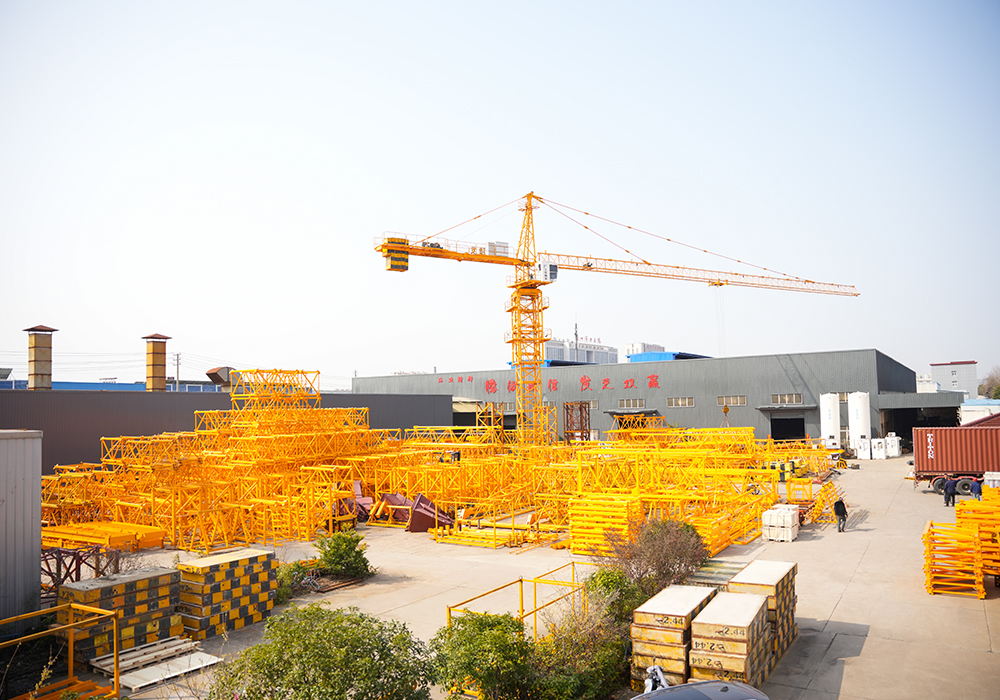
The most effective prevention is to source mast sections from a manufacturer that controls the whole fabrication process. Jiangsu Tengfa Construction Machinery combines A-grade special equipment manufacturing qualifications with automated welding and quality inspection, so delivered sections stay straight on site and in service. If you have questions about tolerances, replacement standard sections, or bolted connection maintenance, our team can help.