

 English
 русский
 Español
 中文简体
中文简体
Content
How Tower Cranes Actually Work
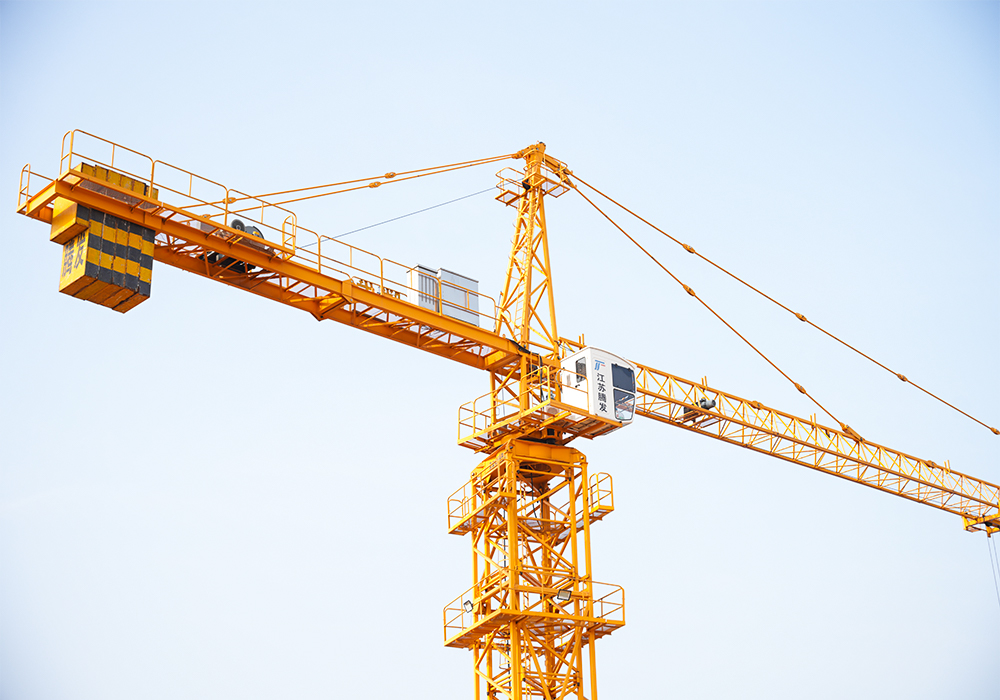
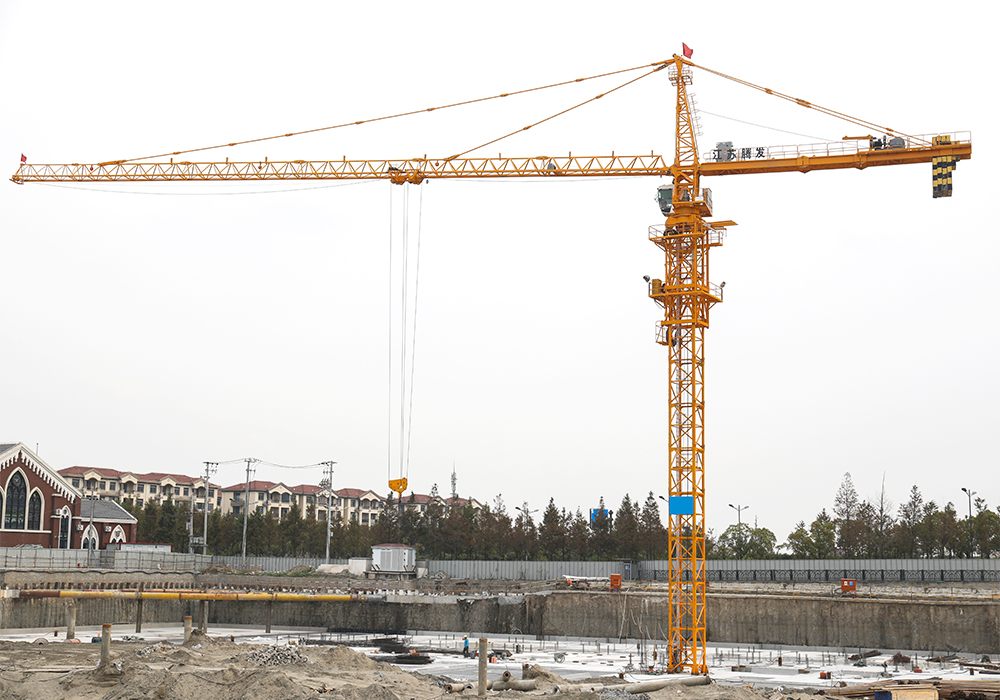
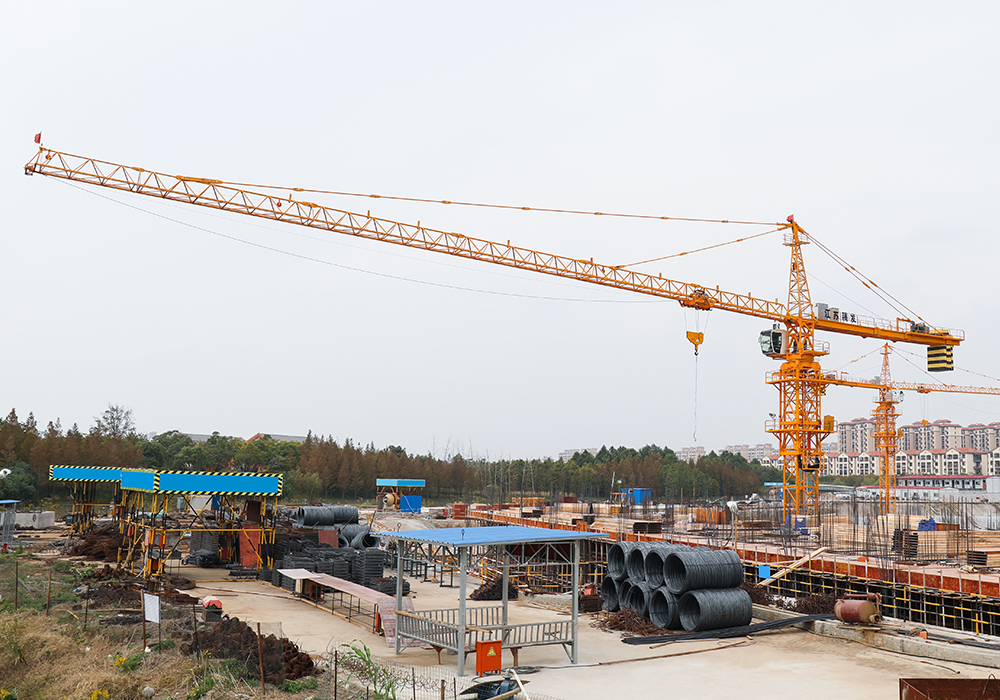
A tower crane lifts heavy loads using a simple mechanical principle: a horizontal jib arm extends from a vertical mast, with a trolley running along the jib to move the load in and out, and a hoist system raising or lowering it. A counterweight on the opposite end of the jib balances the load side, so the crane doesn't need to be anchored against tipping the way a simple lever would.
The mast itself sits on a fixed base — either a large concrete foundation or, for taller buildings, anchored to the structure being built as it rises. Everything above the base rotates on a slewing ring, letting the jib swing to any position around the building.
Getting a Crane to the Job Site
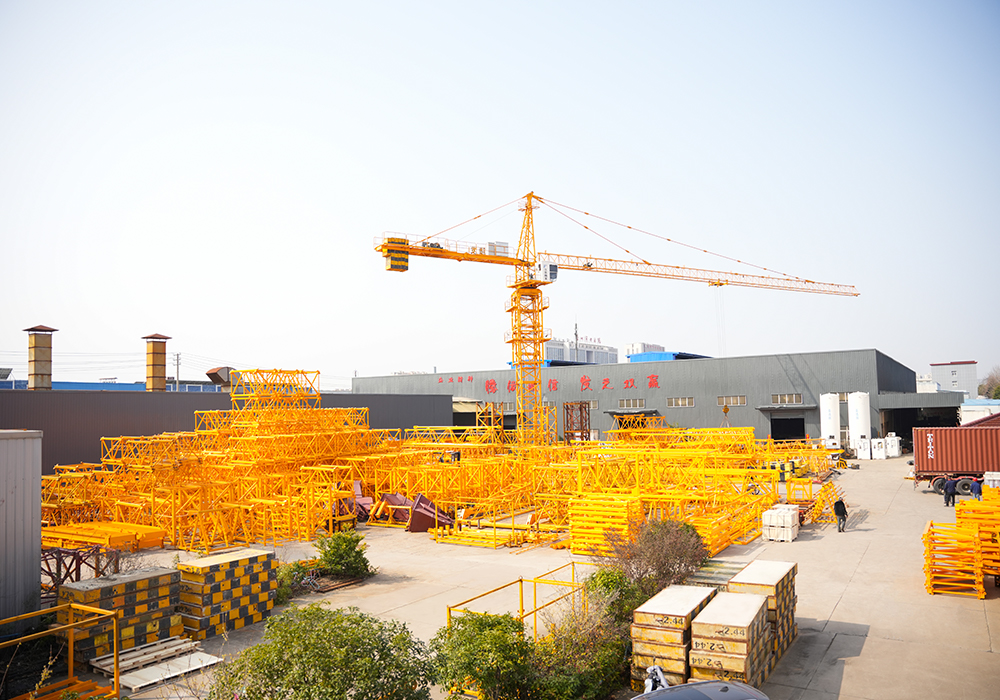
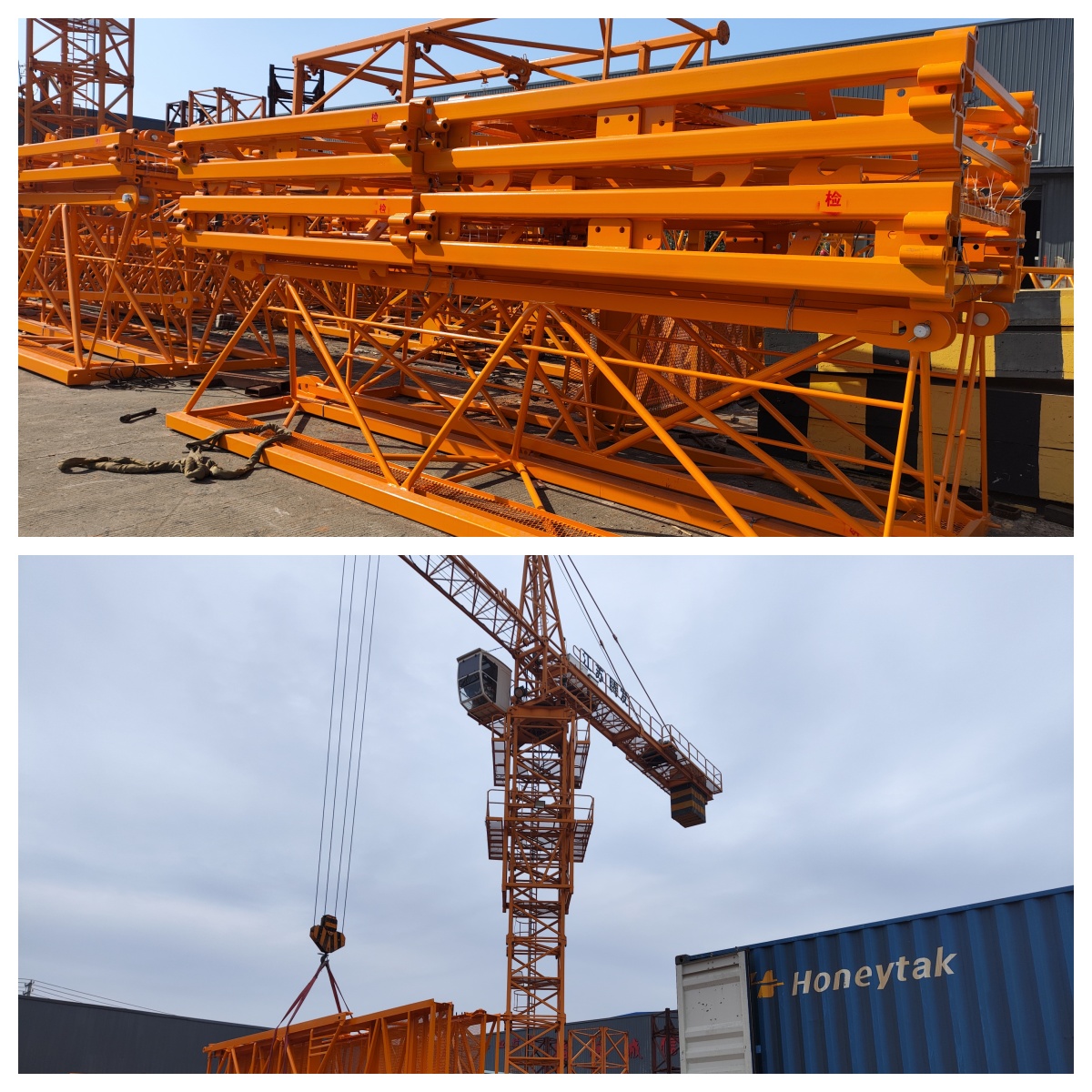
Tower cranes don't travel to a site as a single unit — they arrive disassembled on flatbed trucks, since a fully assembled crane would be far too large and heavy to transport on public roads. A typical tower crane breaks down into:
- Mast sections: Modular steel segments, usually 3-6 meters long, that stack to form the vertical tower.
- Jib segments: The horizontal arm is broken into transportable lengths and bolted back together on site.
- Counter-jib and counterweight blocks: Shipped separately due to their significant weight.
- Slewing unit and operator cab: Transported as a compact assembled unit, since this houses precision rotating machinery.
A large tower crane can require a dozen or more truckloads to move all components to site before assembly even begins.
Mobile Crane vs. Tower Crane Transport
Mobile cranes and tower cranes are transported very differently, reflecting how each type is designed to be used.
| Factor | Mobile Crane | Tower Crane |
|---|---|---|
| Transport method | Drives to site under its own power | Shipped disassembled on multiple trucks |
| Setup time | Hours | Days, often requiring a separate assist crane |
| Max lift height | Limited by boom length | Can climb with the building, effectively unlimited |
| Best suited for | Short-duration lifts, smaller projects | Long-duration high-rise construction |
How Tower Cranes Are Erected
Erection starts with pouring a reinforced concrete foundation sized to the crane's specific load and height requirements. A smaller mobile crane is then used to assemble the base mast sections, slewing unit, operator cab, and initial jib in place. Once the crane is standing and operational at its starting height, it can effectively assemble the rest of its own extension — using its own hoist to lift additional mast sections into the "climbing frame" beneath the slewing unit, which then jacks the entire upper assembly upward to insert each new section.
How Cranes Reach Skyscraper Heights
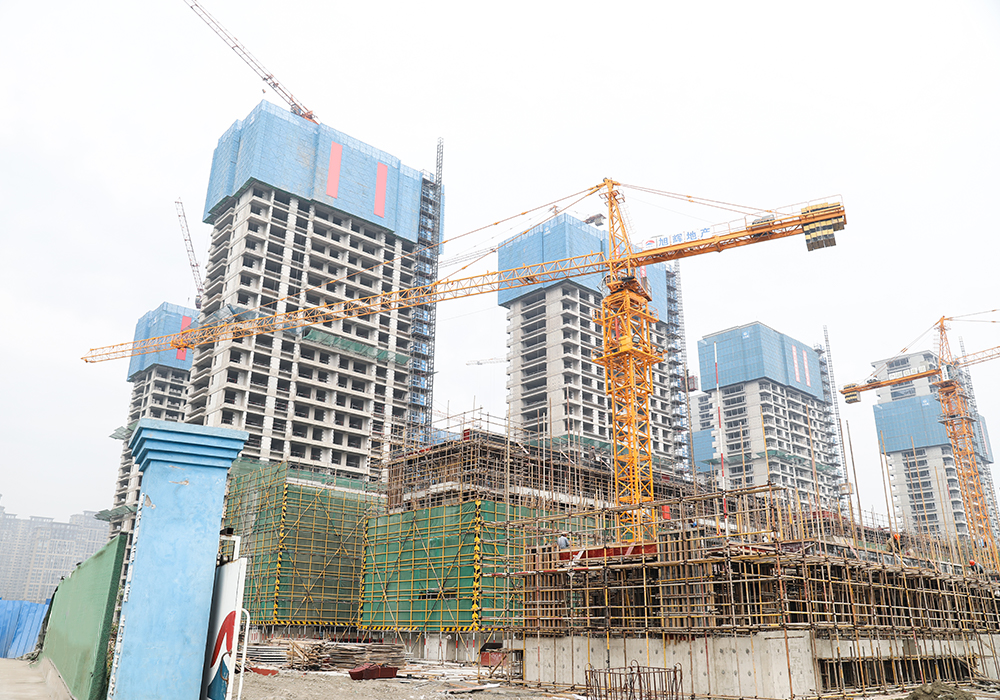
This self-climbing process is how tower cranes end up towering over buildings they're helping construct — they grow taller right alongside the structure rather than being lifted into place fully built. Two main climbing approaches are used:
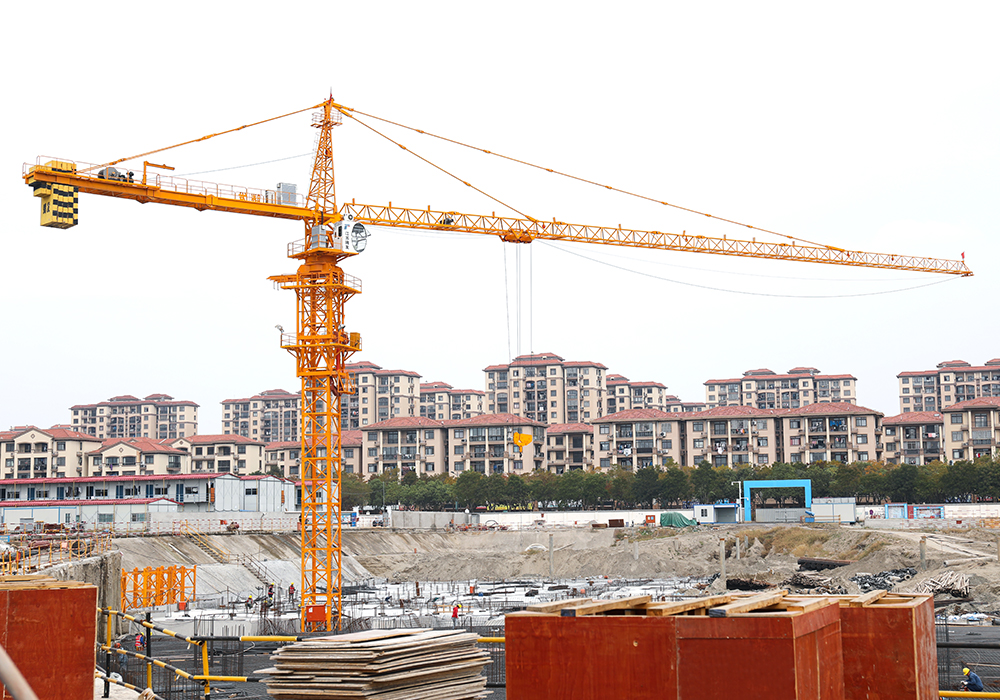
- Free-standing climbing: The crane's own mast grows taller from its base foundation, common for buildings where the crane sits alongside rather than inside the structure.
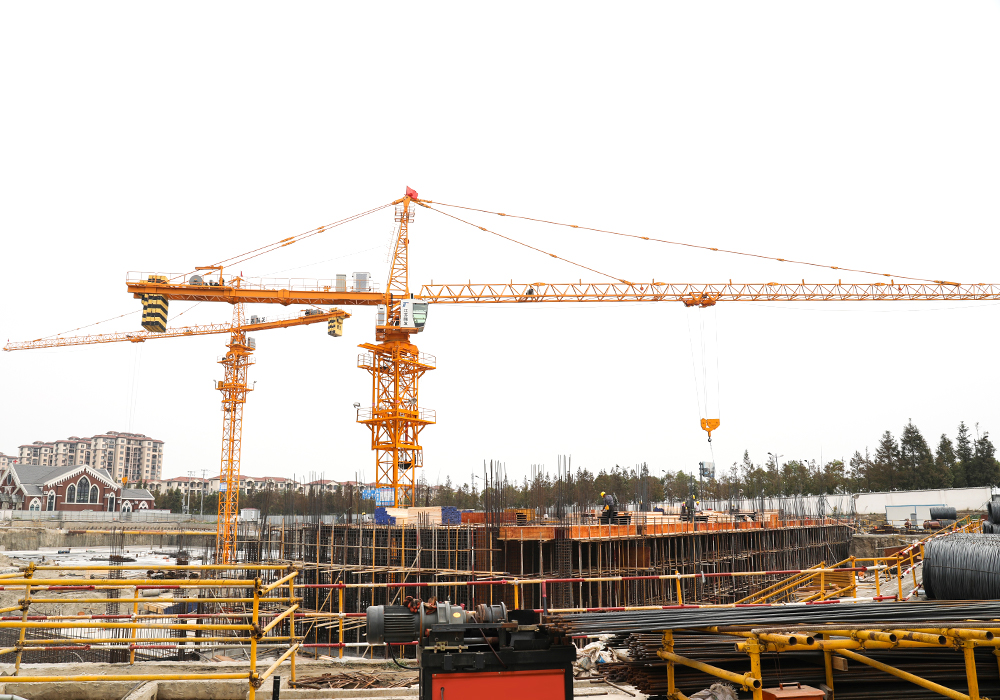
- Internal/tied climbing: The crane is anchored to the building's structure at intervals as it rises, and can even climb up through the completed floors of the building itself, which is common on very tall skyscraper projects.
Key Components That Make Lifting Possible
- Hoist mechanism: A high-capacity winch and wire rope system that raises and lowers the load hook.
- Trolley system: Moves the load hook horizontally along the jib to position materials precisely over the building.
- Slewing mechanism: A motor-driven ring gear that rotates the entire upper assembly to reach any point around the crane's radius.
- Counterweight blocks: Precast concrete or steel blocks on the counter-jib that balance the moment created by the load side.
Dismantling: Getting the Crane Back Down
Dismantling essentially reverses the erection process, but at height it requires either a mobile crane large enough to reach the top of the structure, or a smaller secondary crane erected specifically to disassemble the main tower crane piece by piece. On very tall buildings where no mobile crane can reach the top, cranes are sometimes lowered progressively using their own climbing mechanism in reverse before final removal by a ground-based crane.
Safety Systems and Load Limits
Modern tower cranes rely on multiple interlocking safety systems: load moment indicators that prevent lifting beyond rated capacity at a given radius, anti-collision systems on job sites with multiple cranes operating in overlapping zones, and wind speed monitors that halt operations above a safe threshold. Regular structural inspection of mast connections and wire rope condition is also required throughout a crane's time on site, since the equipment operates under continuous cyclic loading for the duration of the project.