

 English
 русский
 Español
 中文简体
中文简体
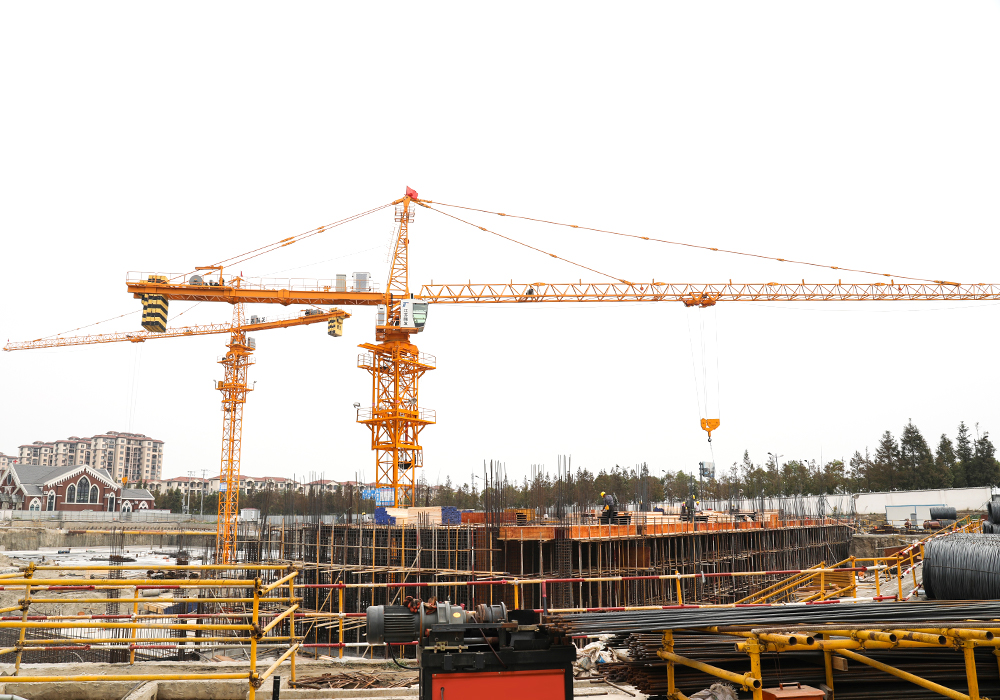
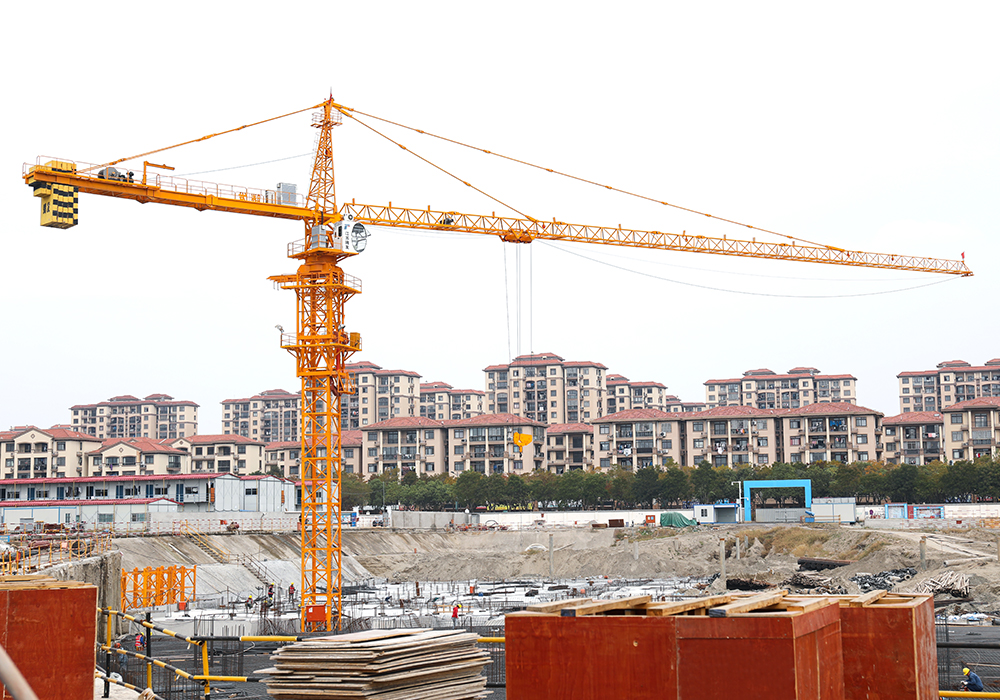
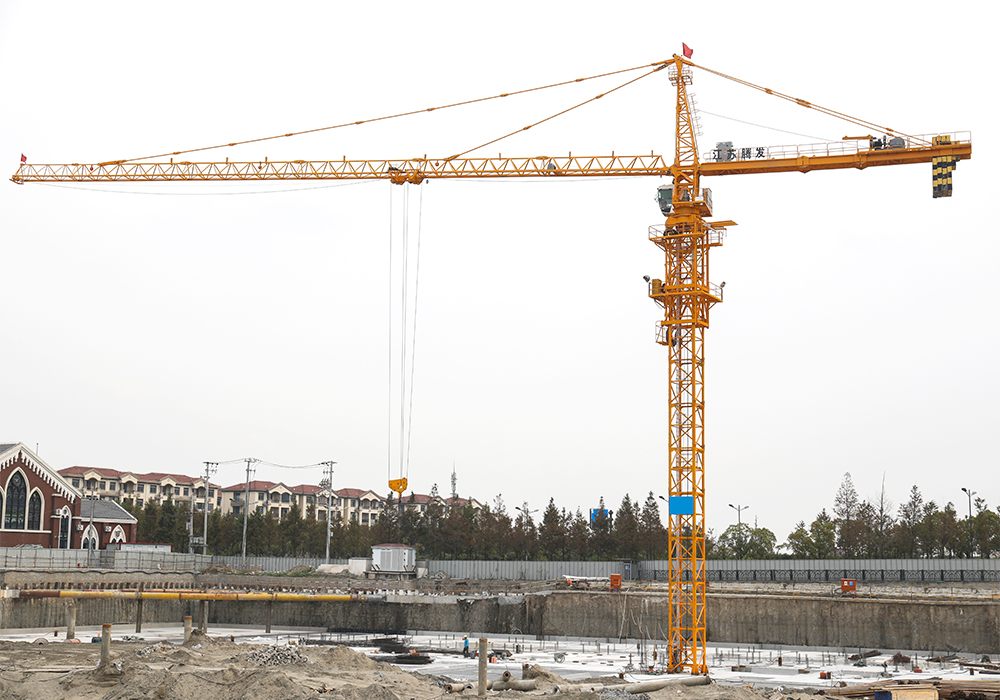
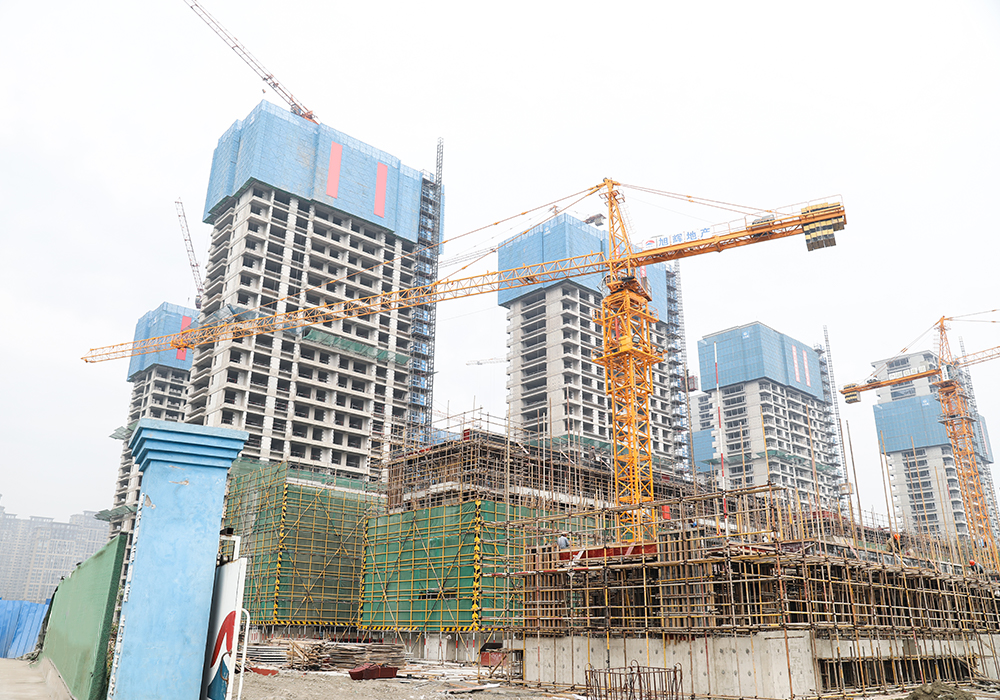
A 6t topkit tower crane on a residential high-rise site was fitted with a 2.4t crane counterweight instead of the 3.5t specified on the load chart. The site crew reduced the working radius to compensate, but that choice silently cut practical lifting capacity by about 18% and left less margin against wind gusts. A counterweight is not a removable ballast bag, it is the structural half of the crane's stability equation.
Before the next procurement cycle starts, every project engineer should understand what a counterweight contributes, how manufacturers calculate its mass, and which inspection steps protect the site. The counterweight line item in a crane offer is too often treated as a boring detail, yet it determines whether the machine can safely lift its rated load.
Content
- 1 What a Crane Counterweight Does and Why the Size Matters
- 2 Crane Counterweight Sizing Factors: What Drives the Total Weight
- 3 Crane Counterweight Types and Material Requirements
- 4 Crane Counterweight Design and Manufacturing Concerns
- 5 Maintenance and Inspection Procedures
- 6 Buyers' Checklist Before Ordering a Tower Crane
- 7 Frequently Asked Questions
What a Crane Counterweight Does and Why the Size Matters
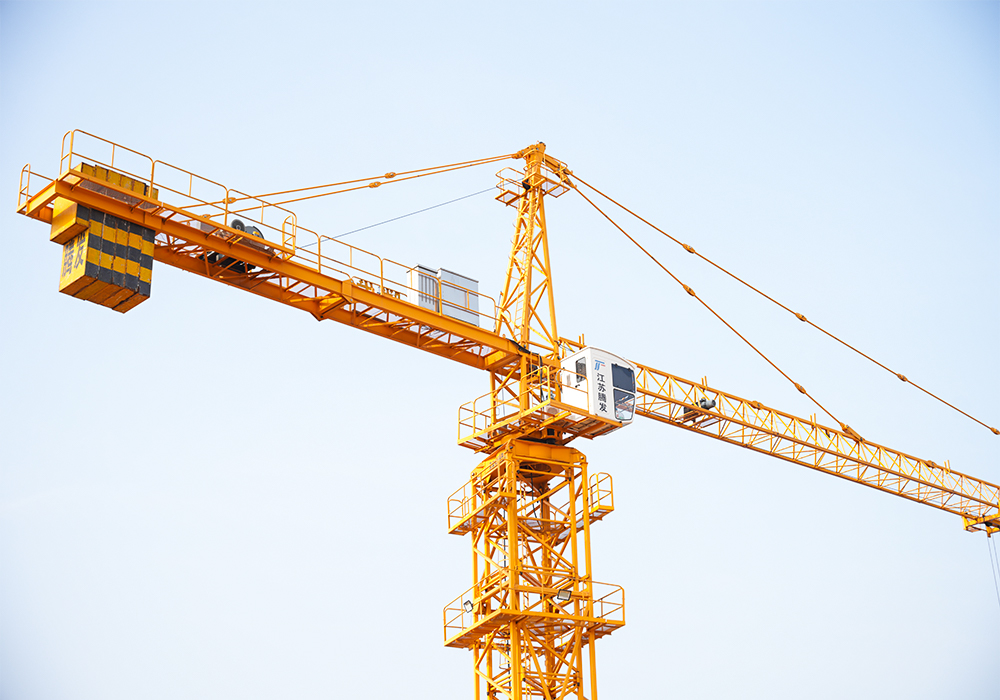
A crane counterweight is a mass, usually made of cast iron or concrete, mounted on the side of the crane opposite the working load. In a tower crane, it sits on the counter-jib, which extends behind the mast. The counterweight creates an opposing moment that balances the moment generated by the hoisted load and the weight of the working jib.
The balance condition is why the size is non-negotiable. If the lifting moment exceeds the counterweight moment, the crane tips forward around the mast base. That is why every tower crane load chart includes a specific counterweight configuration. Adding or removing one block changes the maximum allowable load at every radius, not just the radius the operator is testing.
In a flat-head tower crane, the counterweight is usually a single row of modular blocks on the rear arm. Topkit models use the same principle but the blocks sit on a shorter counter-jib because the tower head and tie rods add their own weight. The material and overall dimensions change between crane types, yet the balance calculation always leads back to the same requirement: the correct mass at the correct radius.
A crane counterweight is a balancing mass on the counter-jib that, together with the mast moment and the load moment, defines the safe lifting envelope.
Crane Counterweight Sizing Factors: What Drives the Total Weight
Counterweight size is determined by rated capacity, jib length, and counter-jib geometry. The manufacturer sets it so the worst case, full load at maximum radius with the jib horizontal, keeps the mast in compression and the ballast side safely down.
Four factors dominate the calculation:
- Rated load at the longest working radius
- Boom length, which increases the overturning moment
- Counter-jib length and the weight of the slewing and hoist mechanism
- Site wind exposure and the required stability margin
If you change the jib from 50m to 60m on the same crane body, the overturning moment can increase by roughly 20% on many models, so the counterweight must be recalculated. This is why several crane suppliers offer the same body with different jib and counterweight packages.
| Crane Model | Rated Load | Jib Length | Counterweight |
|---|---|---|---|
| QTZ40 | 4t | 48m | ~2.6t |
| QTZ80 | 6t | 58m | ~3.5t |
| QTZ125 | 10t | 60m | ~5.2t |
| QTZ200 | 10-12t | 70m | ~6.8t |
 QTZ100(6013) Topkit Tower Crane 6T 8T Double Rotation QTZ100(6013)tower cap tower crane: According to user requirements, different mechanisms and electrical controls can be selected, and the maximum lifting capacity can be... View Product →
 Crane Counterweight Types and Material Requirements
There are two dominant material routes for tower crane counterweights. Concrete blocks encased in a steel frame are the cheapest and are produced in modular sizes of roughly 1t to 2.5t. Cast iron blocks are denser, so the same mass can be fitted into a smaller footprint, which matters on cranes with short counter-jibs.
Steel frame plus concrete is the common choice for topkit and flat-head models because the modular blocks can be handled by the crane itself during assembly. A supplier should stamp each block with its mass and model reference. Without that, a site crew can mix blocks from two different cranes and unknowingly change the balance.
Concrete with steel frame
Lower cost, modular, good for standard models. Density around 2.4 g/cm3, which means physically larger blocks.
Cast iron
Higher density around 7.2 g/cm3, smaller footprint, more expensive. Preferred when the counter-jib space is limited.
Crane Counterweight Design and Manufacturing Concerns
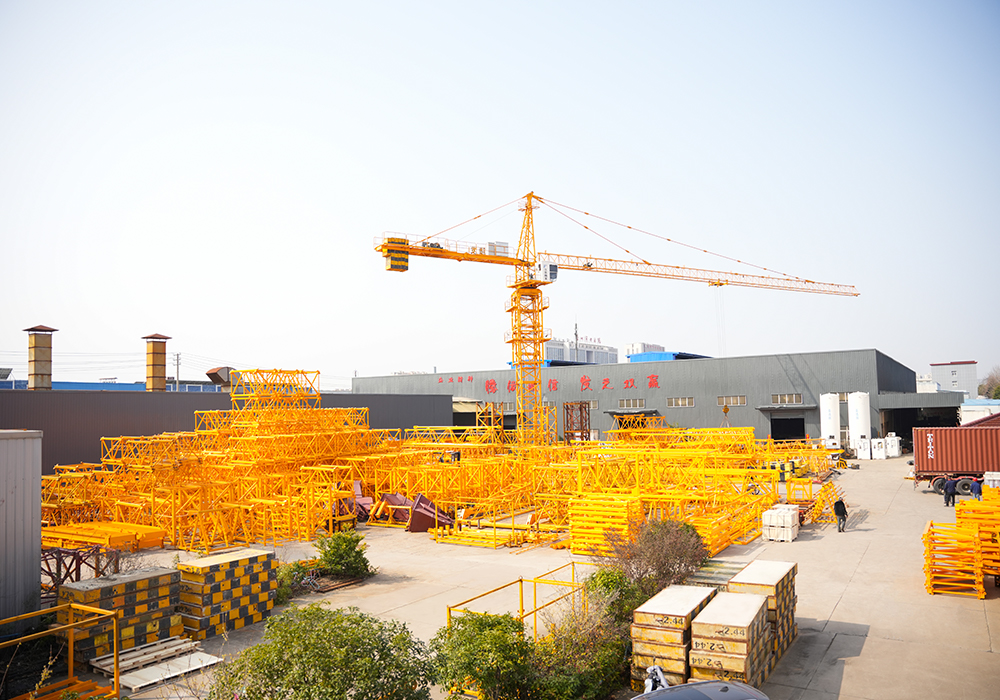
Manufacturers do not treat the counterweight as an afterthought. At Jiangsu Tengfa Construction Machinery Co., Ltd., the counterweight set is part of the released structural calculation for every topkit, flat-head, and luffing jib tower crane. It has to satisfy structural bending at the mast, sliding friction at the slewing ring, and the factor of safety required by the design standard.
The balance arm of the counter-jib is shaped to carry the blocks without additional stiffening beams. If the supplier changes the counter-jib profile, the same blocks may no longer fit. For export projects, a supplier should also provide the counterweight weight and dimensions for the foundation calculation. Some buyers miss this and discover the anchorage design was based on an empty machine.
The counterweight mass is also part of the transport plan. A two-block counterweight set can ship in one container, while a six-block set may need two. Freight cost and site handling are directly affected by how the manufacturer splits the total mass.
Procurement note
Ask for the balance arm drawing before signing the purchase order. The crane counterweight set must match the jib length you plan to use. If the supplier switches between topkit and flat-head balance arm designs, the mass distribution changes and the foundation needs to be checked again.
Maintenance and Inspection Procedures
Inspection of the crane counterweight is not optional between erection and dismantling. A practical site routine follows the two-week cycle most contractors already use for structural checks, and it should be logged every time the machine is moved.
- Verify the counterweight matches the load chart configuration before every first lift of the day.
- Check each block for cracks, spalled concrete, or missing tie bolts on a weekly schedule.
- Inspect the steel frame for corrosion at the base of the block cradle.
- After a crane transfer or counter-jib modification, confirm that all blocks are from the same model set.
- Record the counterweight mass and last inspection date in the crane logbook.
Stop-work condition
A loose bolt, a cracked weld, or a missing block on the counter-jib is a stop-work defect. The crane loses balancing moment and the falling block also creates a hazard for workers below.
Buyers' Checklist Before Ordering a Tower Crane
When you evaluate a tower crane proposal, the counterweight line item should be checked with as much care as the hoist motor. Ask these questions before issuing a purchase order:
- What is the total counterweight mass and how many modules make up the set?
- Are the block masses and the model number stamped on each block?
- What is the maximum block dimension for road transport?
- Does the supplier stock replacement blocks for this model?
For sites switching from a topkit to a luffing jib tower crane, the topkit tower crane comparison matters. A luffing jib crane has a different counterweight profile than a topkit unit, and the foundation must be rechecked for the new moment diagram.
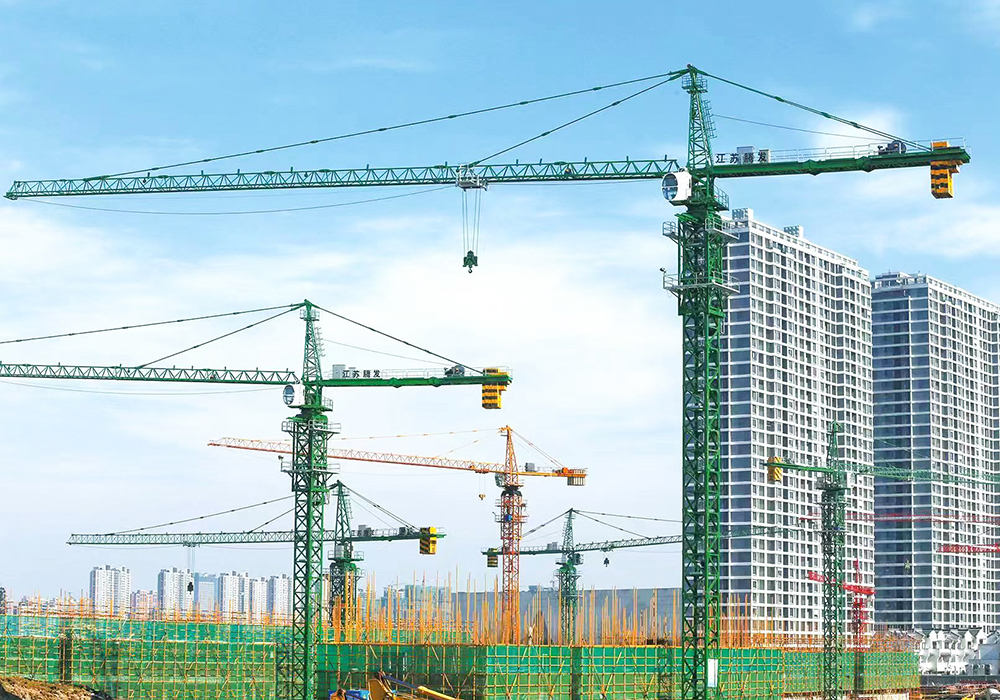 QTD80 Luffing-Jib Tower Crane 6t Jib Length 40m QTD80 luffing-jib tower crane: The machine has a maximum working radius of 40 meters and a maximum lifting capacity of 6 tons. Its rated lifting moment is 800 kN·m. Th... View Product →
 Frequently Asked Questions
How much does a crane counterweight weigh?
It depends on the crane model. A small 4t topkit crane with a 48m jib can use about 2.6t, while a 12t flat-head crane with a 70m jib may need over 6.8t. The exact value comes from the load chart and the manufacturer's balance calculation.
Can I add more counterweight to a tower crane than required?
No. Adding extra counterweight changes the moment balance and can overload the mast, the slewing ring, or the rear anchorage. The approved configuration is the only safe configuration.
What happens if a counterweight block falls off?
The crane loses balancing moment and may tip rearward or forward depending on which block is lost. Stop all lifting activity and inspect the counterweight set immediately before any further operation.
How do I know if the counterweight is correct?
Compare the stamped block mass and count against the load chart for the fitted jib length. If there is any discrepancy, stop work and contact the manufacturer before the next lift.
Counterweight verification is a 5-minute check that can prevent a crane tip-over. Make it part of the daily pre-lift walkaround.