

 English
 русский
 Español
 中文简体
中文简体

Content
- 1 Understanding the Key Configurations in Modern Construction
- 2 Defining the Topkit Tower Crane: The Adaptable Powerhouse
- 3 Head-to-Head Comparison: Topkit vs. Other Market Leaders
- 4 Strategic Selection: Matching the Crane to the Project Profile
- 5
- 6 Beyond Specifications: The Real-World Impact of Choice
Understanding the Key Configurations in Modern Construction
The selection of a tower crane is a critical decision that directly influences project timelines, budgets, and on-site safety. Among the various configurations available, the topkit tower crane presents a unique blend of flexibility and power. To fully appreciate its value, a detailed comparison with the two other primary crane types—luffing jib cranes and standard hammerhead (fixed jib) cranes—is essential. This analysis will move beyond superficial specifications to explore practical application scenarios, cost implications, and the specific operational advantages that define optimal use cases for each machine. Key decision factors include working radius, hook height, lifting capacity curves, spatial constraints imposed by the site, and the total cost of ownership throughout the project lifecycle.
Defining the Topkit Tower Crane: The Adaptable Powerhouse
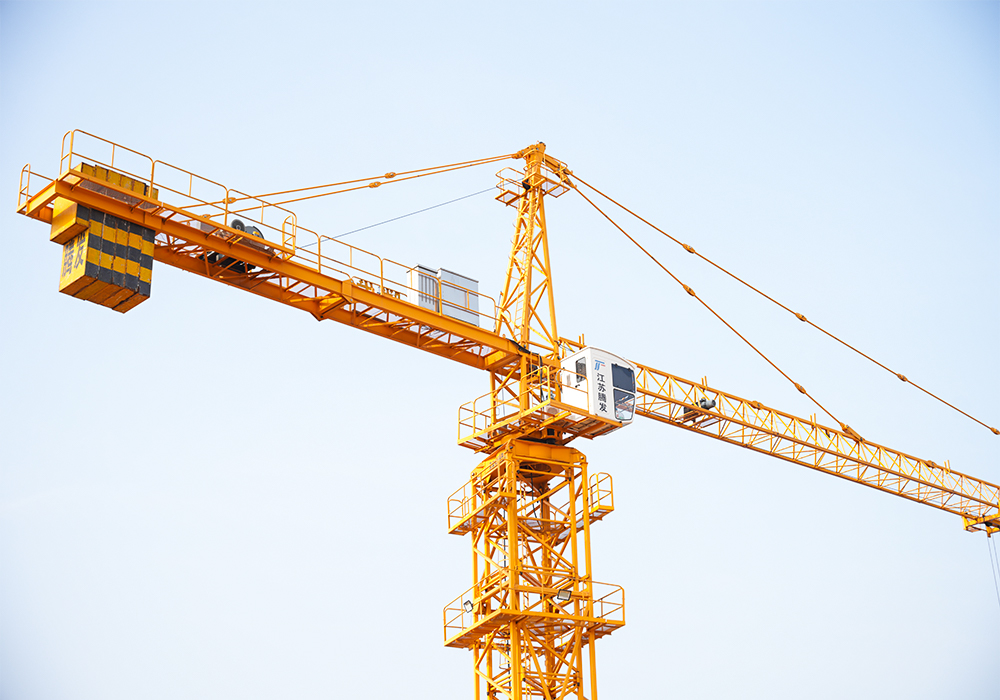
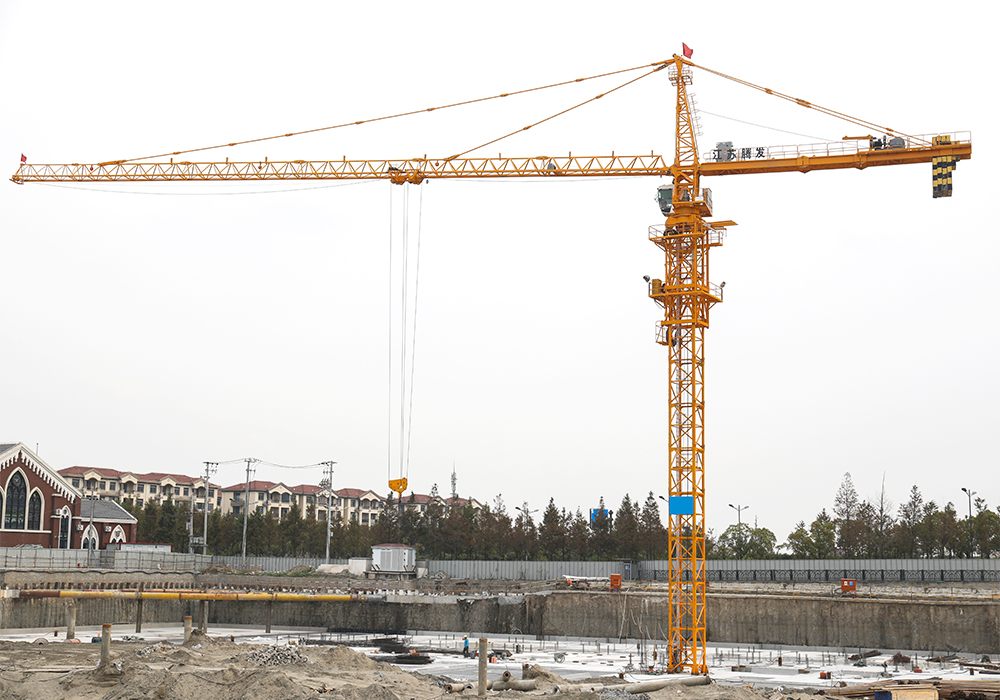
A topkit tower crane is not a distinct category of crane but rather a specific configuration of a hammerhead or flat-top saddle jib crane. Its defining characteristic is a modular jib design where the outermost section, known as the "topkit," can be added or removed. This allows the total jib length, and consequently the maximum working radius, to be altered on-site to match changing project requirements. The core mast and inner jib sections remain fixed, providing structural stability while the adaptable tip offers strategic flexibility. This design directly addresses a common construction challenge: a project's lifting needs often evolve from requiring wide horizontal reach in early stages to needing greater vertical lifting capacity at height in later phases.
The Mechanism of Modular Adaptation
The operational genius of the topkit system lies in its direct impact on the crane's load moment. The load moment is the product of the load weight and its horizontal distance from the mast (the radius), and it is the fundamental limit governing a crane's capacity. By removing a topkit section, the maximum possible radius is reduced. This reduction in potential leverage against the mast allows the crane's system—including its hoist mechanism, slewing ring, and structural components—to safely handle heavier loads at all remaining radii. Therefore, a primary strategic reason to employ this configuration is to reduce tower crane jib length for higher capacity as a building rises. This transformation can often be accomplished with a relatively short downtime, making it a cost-effective alternative to demobilizing one crane and bringing in a entirely different model with a shorter jib and higher capacity.
Ideal Applications and Project Fit
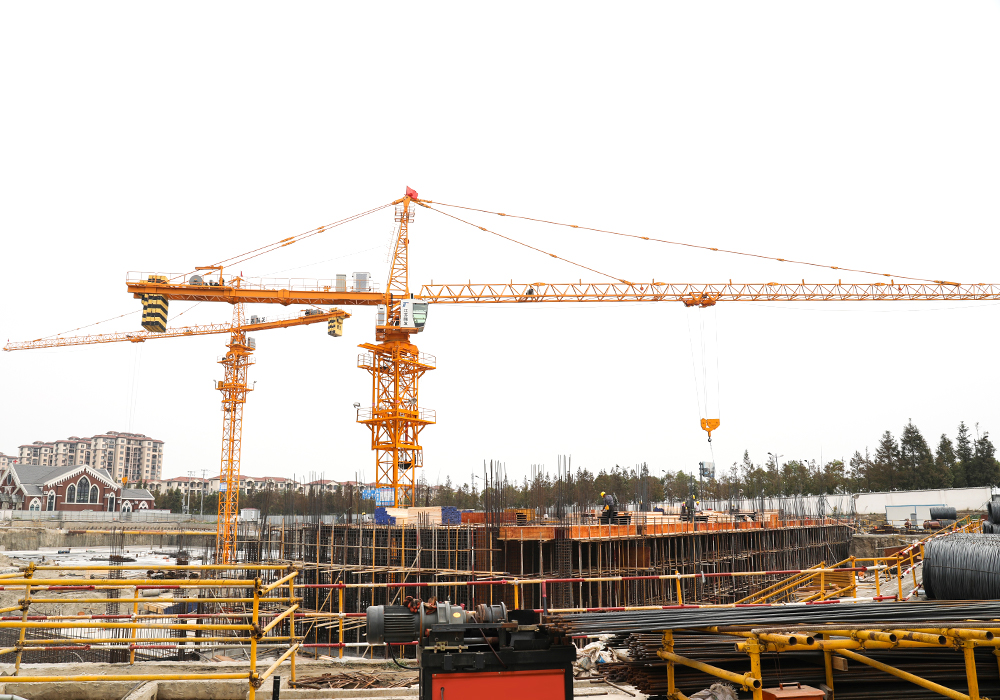
The modularity of the topkit tower crane makes it exceptionally suitable for projects with dynamic site conditions or multi-phase designs. Its value is most pronounced in scenarios where a single crane must serve two distinct purposes over the project's duration.
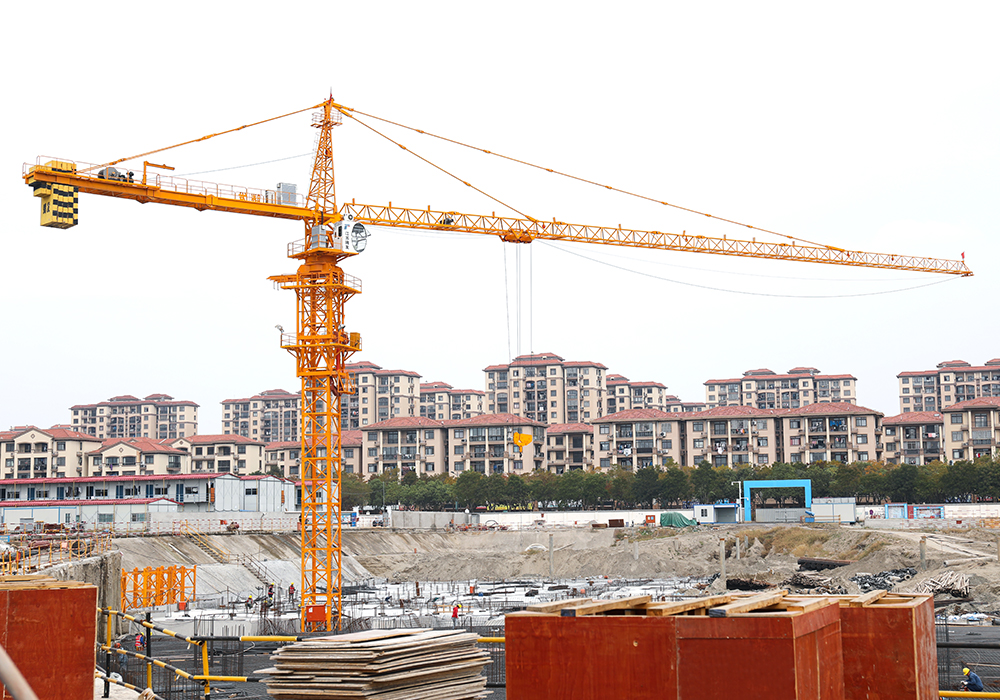
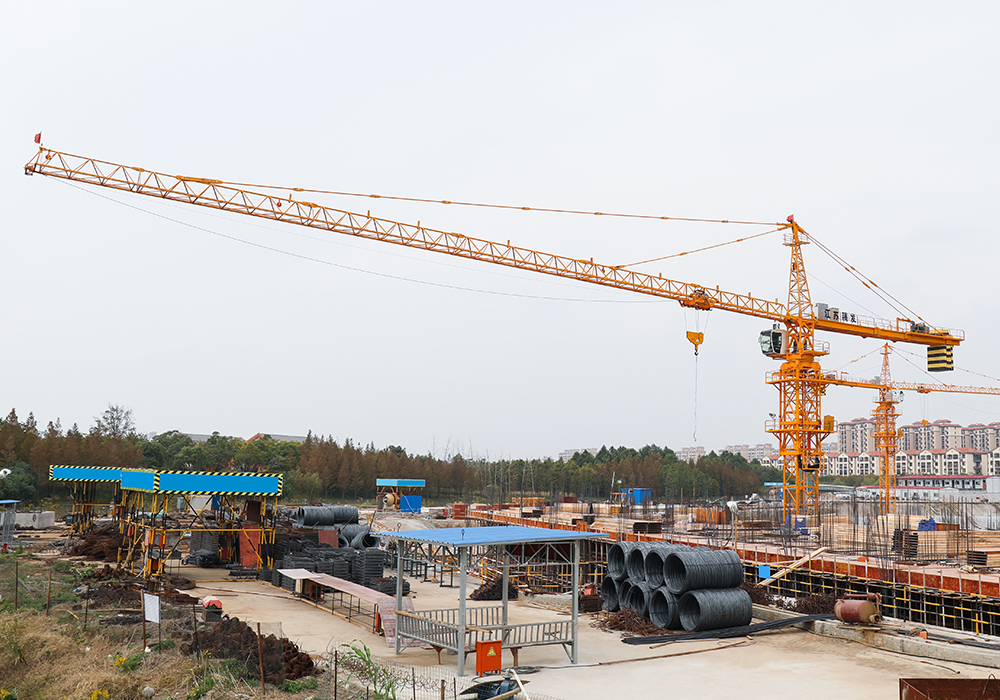
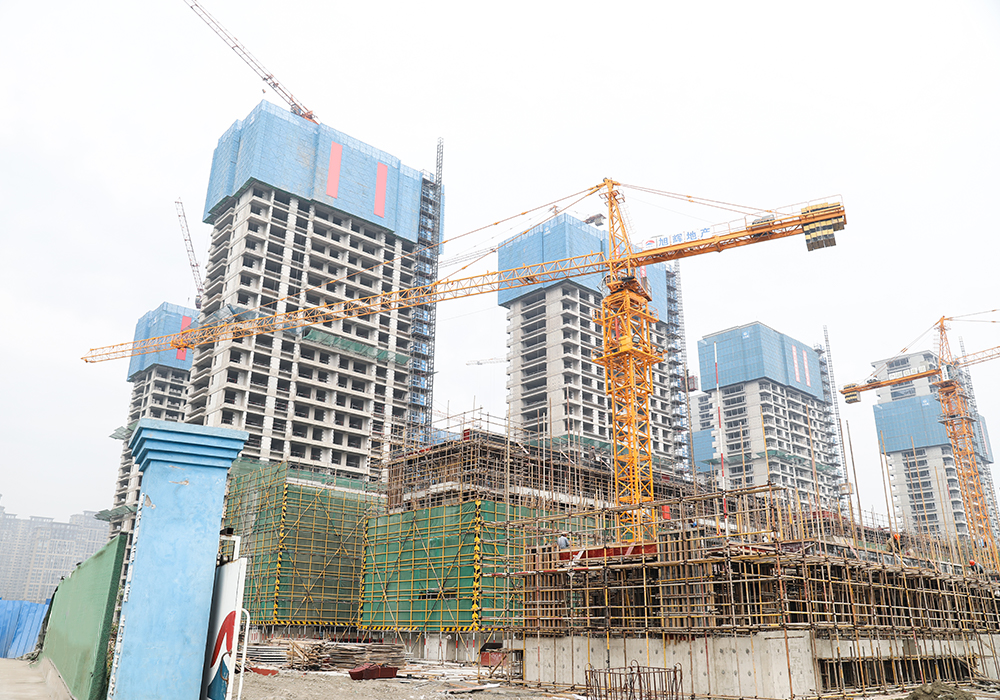
- Urban High-Rise Construction with a Tight Site: Early stages may require a long jib to place materials across the entire footprint and perhaps over adjacent buildings or streets for delivery. As construction progresses upward, the critical need shifts to lifting heavy structural elements (like steel bundles or prefabricated facades) to great heights. Shortening the jib at this stage increases capacity exactly where it is needed most.
- Large Horizontal Structures with a Central High-Rise Element: Projects such as a hospital complex with a low-rise wing and a central tower, or a sprawling commercial development with a focal hotel, benefit immensely. The crane can start with a full jib to service the broad area, then be reconfigured to focus powerful lifts on the tower section.
- Projects with Uncertain Future Phases: If later construction phases are planned but not fully detailed, the ability to adapt the crane's configuration provides valuable flexibility without committing to a potentially over- or under-specified machine from day one.
Head-to-Head Comparison: Topkit vs. Other Market Leaders
To make an informed choice, project planners must weigh the topkit's adaptable nature against the specialized strengths of luffing jib and fixed-jib hammerhead cranes. The following sections provide a granular comparison across the most critical operational and economic parameters.
Working Radius and Spatial Efficiency
This category examines how each crane type utilizes the airspace around and above the construction site, which is often the most limiting factor in dense urban environments.
- Topkit Tower Crane (Hammerhead with Modular Jib): Offers a variable maximum radius. It begins with a long reach, comparable to a standard hammerhead, but can later be reduced. Its jib rotates horizontally in a fixed plane. This requires a consistent, unobstructed "swept circle" of airspace at the jib's elevation. In extremely congested sites with multiple tall structures, maintaining this clear circle can be challenging.
- Luffing Jib Crane: The undisputed champion of confined spaces. Its jib can "luff" or raise and lower its angle. This allows it to operate within a much narrower vertical envelope. It can hoist a load by raising the jib to a near-vertical position, swinging it over obstacles, and then lowering the jib to place the load. This makes it ideal for working radius in congested urban sites where other cranes' jibs would collide with neighboring buildings.
- Fixed Jib Hammerhead Crane: Provides a consistent, long horizontal reach at a fixed height. It is the most efficient for covering vast, open areas like large industrial plants or stadiums. However, it is the least adaptable to spatial constraints; its requirement for a completely clear swept circle is absolute.
The following table summarizes the spatial characteristics:
| Crane Type | Maximum Radius Flexibility | Spatial Footprint (Airspace Required) | Best For Spatial Scenario |
|---|---|---|---|
| Topkit (Modular) | High (Can be reduced on-site) | Requires a full swept circle at its operating level; footprint reduces if topkit is removed. | Sites that start open but become constrained, or where needs change from reach to focused power. |
| Luffing Jib | Low (Fixed radius, variable angle) | Minimal; operates in a "window" of airspace, ideal for tight clusters of tall buildings. | Extremely congested urban cores with adjacent structures. |
| Fixed Jib Hammerhead | None (Fixed at installation) | Maximum; requires a completely unobstructed disc of airspace. | Open sites, large footprints, or rural/suburban locations. |
Lifting Capacity and Height Considerations
Lifting performance is a function of both the weight that can be carried and the height to which it can be lifted. The relationship between radius and capacity is different for each crane type.
- Topkit Tower Crane: Its capacity profile is dual-phase. With the full jib attached, its capacity curve is similar to a standard hammerhead: capacity decreases significantly as the load moves further out on the jib. After reducing tower crane jib length for higher capacity, the entire capacity curve shifts upward. It gains substantial lifting power at all radii, but sacrifices maximum reach. Hook height is achieved through a freestanding or anchored mast, similar to other hammerhead cranes, allowing for very high lifts.
- Luffing Jib Crane: Has a more favorable capacity-at-radius profile because the load is always closer to the mast due to the angled jib. When the jib is raised high, the load is virtually directly under the mast, allowing for maximum lifts. However, as the jib is lowered to achieve greater horizontal reach, capacity diminishes. Its hook height potential is also very high, but the mechanism for height is integrated into the luffing action itself.
- Fixed Jib Hammerhead Crane: Has a predictable, static capacity chart. Capacity is highest directly near the mast and drops off steadily toward the jib tip. It cannot alter this relationship. It excels at providing consistent, moderate capacity over a very large area but is not the choice for the absolute heaviest lifts at long radii.
The capacity comparison highlights strategic differences:
| Crane Type | Capacity at Maximum Radius | Capacity at Moderate/Short Radius | Key Capacity Strategy |
|---|---|---|---|
| Topkit (Modular) | Moderate initially, then not applicable (radius is reduced). | Good initially, becomes Excellent after jib reduction. | Adapt capacity to project phase; trade reach for power. |
| Luffing Jib | Lower (when jib is low for reach). | Very High (when jib is raised, load is close). | Maximize capacity for high, heavy lifts in a tight spot. |
| Fixed Jib Hammerhead | Lowest of the three. | Good, but static. | Provide broad, even coverage over a large area. |
Cost Implications and Operational Economics
The financial analysis of crane selection extends far beyond the daily or monthly rental rate. It encompasses mobilization, installation, operation, and demobilization, forming the total cost of crane ownership for the project.
- Topkit Tower Crane: The initial mobilization and installation cost is similar to a standard hammerhead of equivalent starting size. The critical cost variable is the cost to add or remove topkit sections. This process requires a smaller mobile crane and a day or two of downtime. While this incurs an additional cost, it is almost always significantly cheaper than the alternative: completely demobilizing the first crane (which involves disassembly, transport, and off-hire costs) and mobilizing a new, larger-capacity crane (with its own installation and transport costs). The topkit strategy can lead to substantial net savings over a two-phase project.
- Luffing Jib Crane: Universally recognized as the most expensive option. Its complex luffing mechanism, heavier components, and more intricate installation process lead to higher rental rates. Mobilization and demobilization costs are also higher due to the weight and size of the components. It is a premium tool for premium challenges—its cost is justified only when its unique spatial capabilities are absolutely necessary.
- Fixed Jib Hammerhead Crane: Typically offers the lowest daily rental rate and the simplest, most cost-effective installation process of the three. Its economic efficiency is highest when its fixed parameters perfectly match the project's unchanging needs from start to finish. If a project outgrows its capabilities, however, the cost of replacing it mid-stream can erase all initial savings.
A simplified economic breakdown is as follows:
| Crane Type | Typical Rental Rate | Mobilization/Installation Cost | Reconfiguration Cost (If Needed) | Overall Economic Profile |
|---|---|---|---|---|
| Topkit (Modular) | Moderate to High (similar to hammerhead) | Moderate | Moderate (for topkit change) | Higher initial outlay but potential for major savings by avoiding a full crane swap; excellent lifecycle value for evolving projects. |
| Luffing Jib | Highest | Highest | Not Typically Applicable | Premium cost for a premium, specialized capability. Justified by site constraints, not by desire. |
| Fixed Jib Hammerhead | Lowest | Lowest | Very High (requires a new crane) | Most economical for static, well-defined projects. High risk of cost overrun if project scope changes. |
Strategic Selection: Matching the Crane to the Project Profile
The choice between a topkit, luffing jib, or fixed jib crane is not about finding the "best" crane, but the right tool for a specific set of constraints and goals. A systematic evaluation of the project's unique DNA will point toward the optimal configuration.
When to Choose a Topkit Tower Crane
The topkit tower crane is the strategic choice for projects characterized by a significant shift in lifting requirements. The decision calculus should favor this option when the following conditions are met:
- The project has a clear, defined need for a long working radius in its initial phase (e.g., for excavation support, foundational work, or servicing a wide material yard).
- Subsequent phases involve concentrated, high-rise construction where the lifting capacity at height for topkit cranes becomes the paramount concern, surpassing the need for maximum reach.
- The site, while potentially tight, still allows for the rotational swept circle required by a hammerhead design during its initial long-jib phase. It may not be constrained enough to mandate the expense of a luffing jib.
- The project budget seeks to optimize total cost over the entire timeline, willing to invest in a slightly more capable initial setup and a defined mid-project reconfiguration to avoid the massive disruption and cost of a complete crane exchange.
- Planners are seeking benefits of modular tower crane design, which include risk mitigation against uncertain future requirements and the potential to use the same crane base for slightly different projects in a company's portfolio.
When Alternative Configurations Are Preferable
The strengths of the topkit configuration become less relevant, and other cranes become more appropriate, under opposite sets of conditions.
Choosing a Luffing Jib Crane
Opt for a luffing jib crane when spatial constraints are the overwhelming, non-negotiable factor. This is the only viable choice when the construction site is surrounded by other tall structures, leaving no possibility for a clear 360-degree rotation of a horizontal jib at any height. Its ability to "thread the needle" in a forest of buildings justifies its high cost. If the project involves lifting extremely heavy loads (like large prefabricated modules or dense mechanical equipment) to a great height within such a confined site, the luffing jib's superior capacity-at-height profile makes it indispensable.
Choosing a Fixed Jib Hammerhead Crane
The standard hammerhead crane is the default, cost-effective workhorse for the majority of projects that do not involve extreme constraints or evolving requirements. It is the ideal selection for:
- Low- to mid-rise construction over a large, open footprint (e.g., suburban office parks, schools, shopping centers).
- Projects where the heaviest lifts are required at a moderate radius, not at the extreme tip of the jib.
- Situations where the project parameters are fixed, well-understood from the outset, and will not change. In these scenarios, paying for the adaptability of a topkit system offers no return on investment.
- Regions or projects with very tight initial budgets where minimizing the absolute upfront capital or rental cost is the primary driver.

Beyond Specifications: The Real-World Impact of Choice
Ultimately, the comparison between a topkit tower crane and its market counterparts boils down to strategic planning versus static specification. The fixed jib hammerhead is a tool for a known, constant task. The luffing jib is a specialized solution for an extreme, immutable constraint. The topkit crane, however, is a tool for the project manager who anticipates change and values operational flexibility. It acknowledges that a construction site is a dynamic ecosystem and provides a mechanism to adapt to that dynamism efficiently. By enabling a single crane to perform as a long-reach machine early on and a high-capacity machine later, it reduces logistical complexity, mitigates mid-project disruption risks, and provides a compelling financial argument through lifecycle cost savings. The decision, therefore, is a direct reflection of the project's complexity, the foresight of its planners, and the value placed on adaptable, future-proofed equipment in the ever-changing landscape of construction.