

 English
 русский
 Español
 中文简体
中文简体

In the dynamic world of construction, efficiency and flexibility are paramount. Among the most versatile pieces of equipment enabling modern building projects is the mobile construction crane. This guide delves deep into the world of mobile cranes, exploring their types, advantages, and key considerations for selection, with insights from a leading manufacturer in the field.
Content
- 1 What is a Mobile Construction Crane?
- 2 Key Benefits of Utilizing Mobile Cranes
- 3 Exploring Different Types of Mobile Cranes
- 4 Critical Considerations for Choosing a Mobile Crane
- 5 Specialized Applications and Market Trends
- 6 Essential Safety and Operational Best Practices
- 7
- 8 Frequently Asked Questions (FAQs)
- 8.1 1. What is the main difference between a mobile crane and a tower crane?
- 8.2 2. How do I determine what size mobile crane I need for my project?
- 8.3 3. Are there mobile cranes suitable for working in very tight spaces?
- 8.4 4. What are the ongoing costs if I purchase a mobile crane?
- 8.5 5. What safety certifications should I look for when renting a crane?
- 9 References
What is a Mobile Construction Crane?
A mobile construction crane is a cable-controlled crane mounted on a mobile platform, such as a truck or crawler. Unlike stationary tower cranes, their primary advantage lies in mobility, allowing them to be quickly transported between job sites and set up with relative ease. This makes them indispensable for a wide range of applications, from bridge construction and industrial maintenance to urban development projects where space is limited.
Key Benefits of Utilizing Mobile Cranes
The adoption of mobile cranes brings a host of operational benefits that directly impact project timelines and budgets.
- Rapid Deployment: They can be driven to a site and be ready for operation much faster than cranes requiring extensive assembly.
- Site Versatility: Capable of working in confined urban spaces or sprawling rural sites.
- Cost-Effectiveness: Reduces need for multiple fixed cranes and minimizes setup/teardown costs.
- Multi-Functional: Many models can be fitted with various attachments like buckets, winches, or personnel platforms.
Exploring Different Types of Mobile Cranes
Understanding the different types is crucial for selecting the right equipment for your project's specific demands.
All-Terrain Cranes
These are the pinnacle of road mobility and off-road capability. They combine the features of a truck-mounted crane and a rough-terrain crane, equipped with multi-axle carriers that provide stability and power for on-road travel and challenging site conditions.
- Ideal for projects requiring long-distance travel between diverse sites.
- Feature advanced computerized control systems for precise operations.
Rough Terrain Cranes
Designed specifically for off-road operations, these cranes are mounted on an undercarriage with four large rubber tires. They are compact and highly maneuverable on unprepared, muddy, or uneven surfaces typically found in infrastructure projects.
- Excellent for confined, rugged sites like mining or dam construction.
- Often have a single engine that powers both the carrier and the crane.
Truck-Mounted Cranes
These cranes are mounted on a standard commercial truck chassis, offering excellent highway mobility and quick setup. They are common for urban utility work, loading/unloading, and smaller construction tasks.
- Best for jobs requiring high mobility on public roads and fast cycle times.
- Generally have lower lifting capacities compared to all-terrain or crawler cranes.
Crawler Cranes
Mounted on a set of tracks (crawlers), these cranes offer superior stability and mobility on soft or unstable ground without the need for outriggers in many cases. They can also travel with a load, providing unique operational flexibility.
- Suited for large-scale projects like power plant construction or major steel erection.
- Tracks distribute weight evenly, minimizing ground pressure.
Comparing Mobile Crane Types
Selecting the right crane involves weighing factors like terrain, lift capacity, and mobility. The following comparison provides a clear overview.
| Type | Primary Terrain | Key Strength | Typical Use Case |
|---|---|---|---|
| All-Terrain Crane | Highway & Off-Road | Superior mobility and lifting capacity combo | Major urban construction, wind farm maintenance |
| Rough Terrain Crane | Unprepared, Rough Sites | Excellent off-road maneuverability and compact size | Infrastructure projects, industrial plant maintenance |
| Truck-Mounted Crane | Highway & Urban Roads | Fastest road travel and setup time | Utility work, material handling, rental services |
| Crawler Crane | Soft, Uneven Ground | Greatest stability and ability to travel with a load | Heavy lifting in energy sector, bridge building |
Critical Considerations for Choosing a Mobile Crane
Selecting the appropriate crane is not just about type; it involves a detailed assessment of project requirements and crane specifications.
Lifting Capacity and Reach
The fundamental parameters are the maximum weight the crane can lift (capacity) and how far it can lift it (reach/radius). Always consult the crane's load chart, which is a legal document outlining its capabilities at various boom lengths and radii[1]. A common query from contractors is about finding a mobile crane for small construction sites, which emphasizes the need for compact models with sufficient capacity for light-to-medium duty tasks like placing precast concrete elements or steel beams in tight urban plots.
Site Conditions and Accessibility
The physical characteristics of the job site are decisive. Consider ground bearing pressure, overhead obstructions like power lines, and space for crane setup and outrigger deployment. For projects with limited overhead space, understanding the options for a low headroom mobile construction crane becomes essential. These specialized cranes are designed with telescopic booms or specially configured jibs to operate effectively under height restrictions, such as inside buildings or under bridges.
Mobility and Transport Logistics
Evaluate how easily the crane can be transported to and between sites. This impacts cost and scheduling. Truck-mounted cranes offer the easiest transport, while moving a large crawler crane may require disassembly and multiple trucks.
Safety Features and Technology
Modern cranes incorporate advanced safety systems. Look for features like load moment indicators (LMI), anti-two block systems, and outrigger monitoring. These technologies are crucial for preventing accidents and ensuring operational safety, a priority for manufacturers like Jiangsu Tengfa Construction Machinery Co., Ltd., which integrates rigorous testing and reliable components into its equipment design philosophy.
Specialized Applications and Market Trends
The versatility of mobile cranes has led to their use in specialized scenarios and driven innovation in the industry.
Rental vs. Purchase Analysis
The decision to rent or buy a mobile crane is a significant financial consideration. The choice heavily depends on project frequency, duration, and capital availability. Renting offers flexibility and avoids maintenance burdens, making it ideal for short-term or one-off projects. Purchasing is more cost-effective for long-term, frequent use and offers immediate equipment availability. Companies with continuous projects, especially those needing a heavy duty mobile crane for infrastructure projects like bridge building or dam construction, may find investment advantageous. Similarly, businesses focusing on residential/commercial builds might seek to buy a mobile crane for building construction to maintain control over their primary equipment asset.
| Factor | Rental Advantage | Purchase Advantage |
|---|---|---|
| Upfront Cost | Very Low (Rental Fee) | High (Capital Investment) |
| Long-Term Cost | Higher for frequent use | Lower over equipment lifespan |
| Maintenance & Storage | Handled by Rental Company | Owner's Responsibility |
| Availability | Subject to Market Supply | Immediate and Guaranteed |
| Customization | Typically Not Possible | Fully Customizable to Needs |
Innovations in Crane Technology
The industry is rapidly evolving with trends like telematics for remote monitoring, electro-hydraulic systems for better fuel efficiency, and even automation features. There is also a growing demand for cranes with eco friendly mobile crane options, which include models with hybrid diesel-electric drives, biodiesel compatibility, and energy recovery systems to reduce carbon footprint and operational noise, particularly important for projects in environmentally sensitive areas[2].
Insights from an Industry Leader: Jiangsu Tengfa
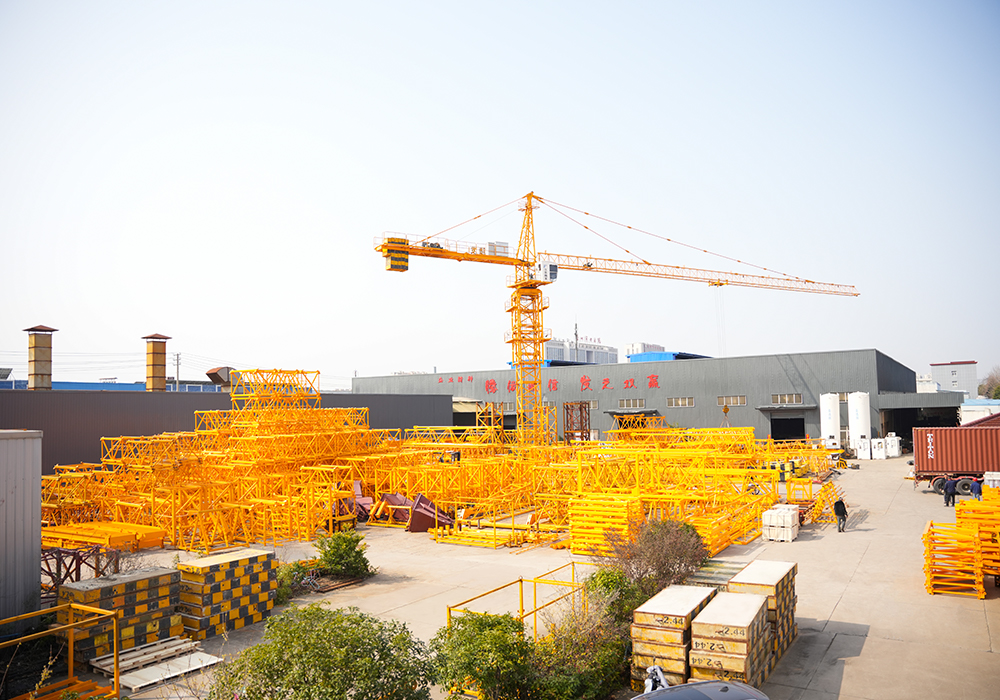
With over a decade of specialization in lifting equipment, Jiangsu Tengfa Construction Machinery Co., Ltd. embodies the expertise required in this sector. Holding a national Class A qualification for special equipment manufacturing, the company's philosophy of "Quality First, Striving for Perfection" is realized through significant investment in R&D, boasting multiple patents and ISO 9001:2015 certification. Their production process, utilizing machining centers and automated welding robots, ensures the reliability demanded by complex lifts. While their main products include various tower cranes and hoists, their deep engineering knowledge into stability, load dynamics, and structural integrity is directly applicable to the broader principles of safe and effective mobile crane operation. Their global footprint, with equipment in over 20 countries, underscores the universal importance of robust, dependable lifting solutions, whether fixed or mobile.
Essential Safety and Operational Best Practices
Safe crane operation is non-negotiable. It requires trained personnel, meticulous planning, and adherence to protocols.
- Rigorous Planning: Every lift requires a plan reviewed by a competent person, covering load weight, rigging, lift path, and site hazards.
- Certified Operators: Only qualified and certified personnel should operate cranes.
- Daily Inspections: Pre-start checks of mechanical, hydraulic, and safety systems are mandatory.
- Clear Communication: Use standardized hand signals or radios between the operator and signal person.
- Respect Load Charts: Never exceed the rated capacity for the given configuration and radius.
For operations in densely populated areas or complex sites, securing the right mobile crane rental for urban construction projects involves not just selecting the crane but also verifying the rental provider’s safety record, operator credentials, and their ability to conduct thorough site-specific risk assessments.

The mobile construction crane is a cornerstone of modern, efficient construction. From the versatile all-terrain crane to the stable crawler crane, selecting the right type requires careful analysis of capacity, site, and project needs. Whether considering rental for flexibility or purchase for long-term control, prioritizing safety, technology, and partner reliability is key. As industry leaders like Jiangsu Tengfa Construction Machinery Co., Ltd. demonstrate, the future lies in innovative, reliable, and increasingly sustainable equipment that helps construction teams worldwide build smarter, safer, and more efficiently.
Frequently Asked Questions (FAQs)
1. What is the main difference between a mobile crane and a tower crane?
The primary difference is mobility and setup. Mobile cranes are self-propelled or truck-mounted, offering quick relocation between sites. Tower cranes are fixed to the ground or structure on a construction site, assembled piece by piece, and provide great height and lifting capacity for long-duration projects like skyscrapers, but lack mobility.
2. How do I determine what size mobile crane I need for my project?
You must calculate the weight of the heaviest load, the required lift radius (distance from the crane's center to the load), and the necessary boom length to clear obstacles. A qualified lift planner or crane supplier can then use this data to select a suitable crane from its load chart, ensuring a sufficient capacity buffer for safety.
3. Are there mobile cranes suitable for working in very tight spaces?
Yes. Compact rough terrain cranes and some truck-mounted cranes with telescopic booms are designed for confined areas. Furthermore, "spider cranes" or compact crawler cranes can fit through standard doorways and operate indoors, making them ideal for mobile crane for small construction sites or interior work.
4. What are the ongoing costs if I purchase a mobile crane?
Beyond the purchase price, owners must budget for insurance, regular maintenance and repairs, fuel, storage, transportation between sites (if not self-driving), and certification/re-certification costs for operators and the equipment itself. Depreciation is also a significant financial factor.
5. What safety certifications should I look for when renting a crane?
Ensure the crane has a current third-party inspection certificate. Verify that the operator possesses valid certification from an accredited organization (such as NCCCO in the U.S. or equivalent nationally recognized schemes). The rental company should also provide evidence of a documented maintenance program and be willing to conduct a joint site-specific risk assessment before the lift.
References
[1] Shapiro, H. I., et al. *Cranes and Derricks*. 4th ed., McGraw-Hill Education, 2010. (This source provides foundational knowledge on crane load charts and stability principles).
[2] The International Council on Cranes and Remote Operated Vehicles (IOCRF). *"White Paper on Sustainable Practices in Lifting Operations."* 2021. (This document discusses industry trends towards eco-friendly technologies, including hybrid and electric drive systems).