

 English
 русский
 Español
 中文简体
中文简体
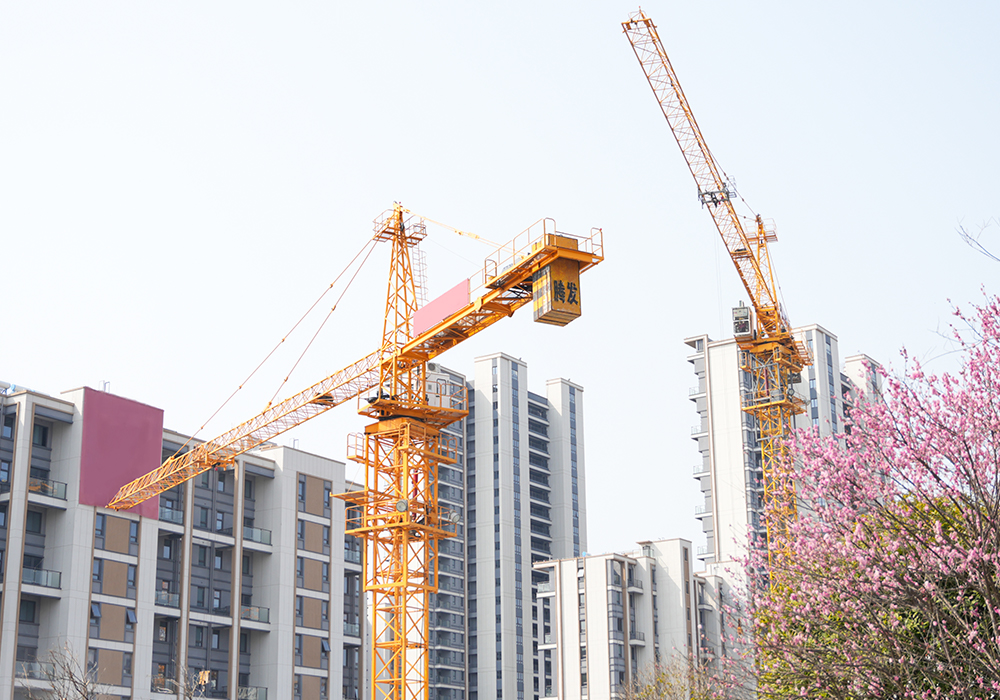
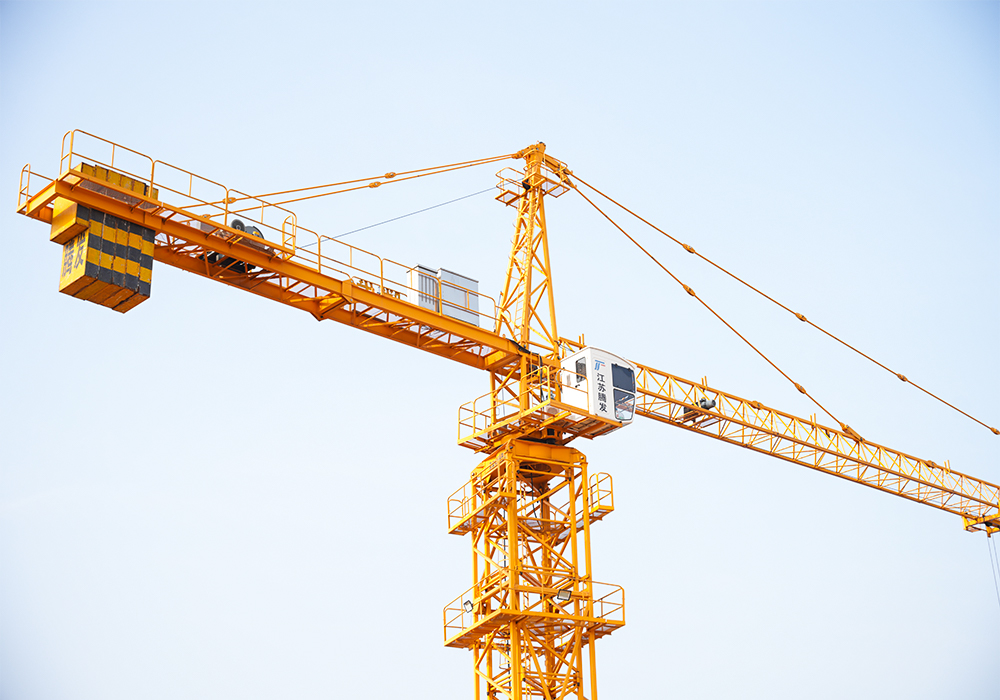
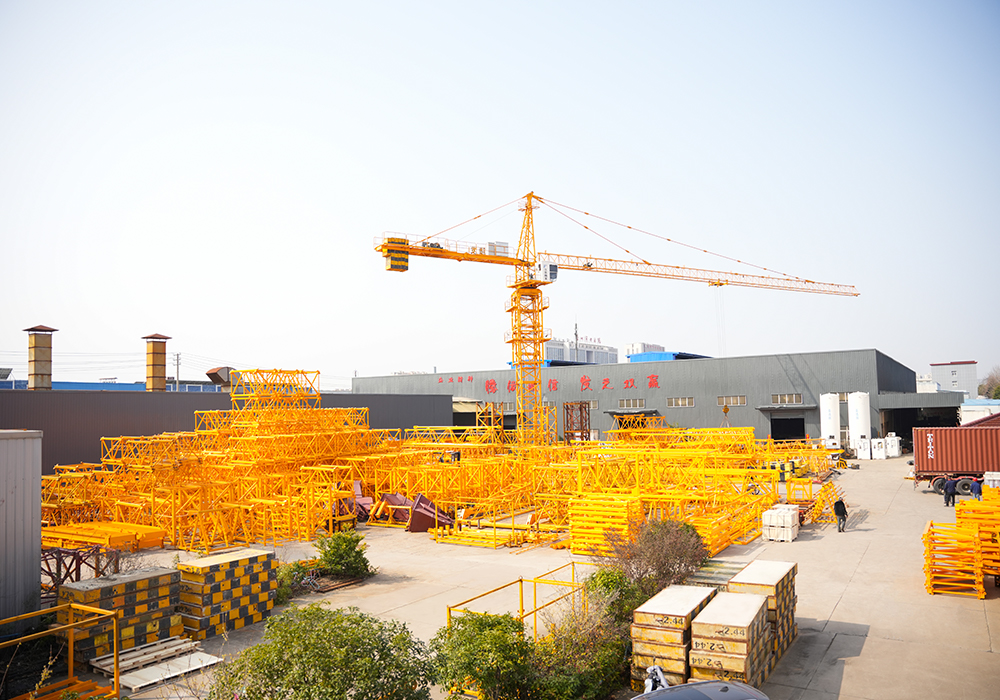
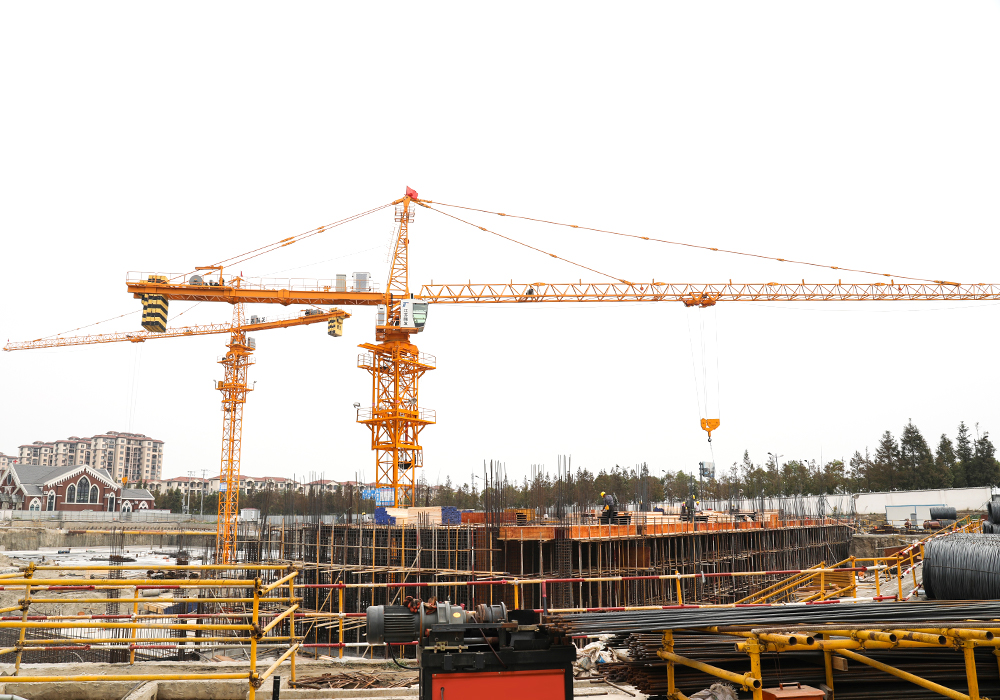
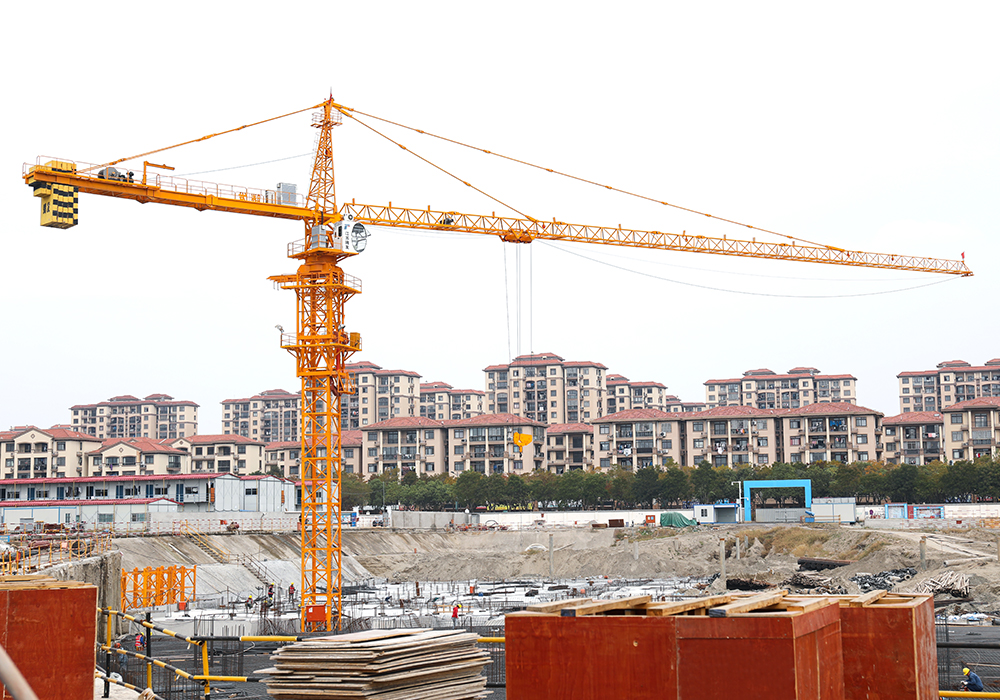
In the dynamic world of construction, efficiency and adaptability are paramount. The mobile construction crane has emerged as a pivotal piece of equipment, offering unparalleled flexibility compared to traditional fixed cranes. These powerful machines can be quickly deployed, transported between sites, and set up with minimal groundwork, making them ideal for a wide range of projects from urban infill to remote infrastructure development. For companies seeking reliable and high-performance lifting solutions, understanding the nuances of these cranes is the first step toward optimizing project timelines and costs. As a manufacturer dedicated to innovation and quality, Jiangsu Tengfa Construction Machinery Co., Ltd. integrates advanced engineering into its equipment, ensuring that modern construction demands are met with robust and versatile machinery.
Content
- 1 Understanding Mobile Construction Crane Varieties
- 2 Core Advantages of Utilizing Mobile Cranes
- 3 Critical Factors in Mobile Crane Selection
- 4 Specialized Applications and Future Trends
- 5 Conclusion
- 6
- 7 Frequently Asked Questions (FAQs)
- 7.1 1. What is the main advantage of a mobile construction crane over a traditional tower crane?
- 7.2 2. How do I choose between an all-terrain and a rough-terrain crane?
- 7.3 3. What are the key safety features to look for in a modern mobile crane?
- 7.4 4. Is it more cost-effective to rent or buy a mobile crane?
- 7.5 5. What makes a crane suitable for tight urban construction sites?
Understanding Mobile Construction Crane Varieties
Not all mobile cranes are created equal. The specific demands of a job site—such as terrain, lift capacity, and reach—determine the optimal type of crane. Selecting the right machine is crucial for safety, efficiency, and project success.
Truck-Mounted Cranes
These are the most common and versatile type of mobile crane, mounted on a standard truck chassis. Their primary advantage is excellent road mobility, allowing them to travel on highways between jobs without a separate transporter.
- Key Features: Integrated carrier, outriggers for stability, quick setup.
- Ideal For: Utility work, short-term projects, loading/unloading materials in multiple locations.
- Mobility: Best for projects requiring frequent relocation on public roads.
All-Terrain Cranes
Combining the road speed of a truck-mounted crane with off-road capabilities, all-terrain cranes are true multi-purpose machines. They feature multi-axle, all-wheel-drive carriers designed to handle rough, uneven ground.
- Key Features: Powerful engines, advanced suspension, all-wheel steering and drive.
- Ideal For: Large-scale projects with mixed site conditions, such as oil & gas, wind farms, and infrastructure on unimproved land.
- Mobility: Superior for sites with challenging or soft terrain where access is limited.
Rough-Terrain Cranes
Built specifically for off-road operation, these cranes are mounted on an undercarriage with robust, large tires. They sacrifice some road speed for exceptional site maneuverability.
- Key Features: Single-engine operation, 4x4 chassis, wide and grippy tires.
- Ideal For: Industrial plant construction, steel erection, and projects confined to a single, rough site.
- Mobility: Excellent on a single, unpaved site, but requires transport via lowboy trailer for long-distance moves.
Comparison of Key Mobile Crane Types
Choosing between a truck-mounted, all-terrain, and rough-terrain crane depends heavily on the project's access and terrain requirements. The following table contrasts their core operational strengths.
| Crane Type | Primary Strength | Best Site Terrain | Road Mobility |
| Truck-Mounted | Highway speed & quick deployment | Paved or firm, level ground | Self-propelled on highways |
| All-Terrain | Versatility on & off-road | Mixed, including rough/unpaved | Self-propelled on highways |
| Rough-Terrain | Exceptional off-site maneuverability | Very rough, soft, or uneven ground | Requires transport trailer |
Core Advantages of Utilizing Mobile Cranes
The shift towards mobile lifting solutions is driven by tangible benefits that impact the bottom line. For contractors, the question of how to choose the right mobile crane for a construction project is directly linked to maximizing these advantages.
Unmatched Flexibility and Rapid Deployment
- Quick Setup: Most mobile cranes can be ready to lift within minutes of arriving on site, requiring minimal assembly.
- Multi-Site Use: A single machine can serve multiple projects in a week, improving asset utilization.
- Adaptability: Can be used for varied tasks throughout a project's phases, from foundation work to structural placement.
Significant Cost and Time Efficiency
- Reduced Foundation Work: Eliminates the need for permanent concrete foundations or rail tracks.
- Lower Mobilization Cost: Transporting a mobile crane is generally faster and less complex than erecting a tower crane.
- Faster Project Cycle: The speed of deployment and relocation directly translates to shorter project timelines.
Enhanced Accessibility for Challenging Sites
This is where the capabilities of an all-terrain mobile crane for rough ground truly shine. Projects in remote locations, on soft earth, or with limited access points are no longer insurmountable challenges.
- Off-Road Capability: Specialized carriers can navigate mud, gravel, and slopes.
- Compact Footprint: Many models can operate in confined spaces where a larger fixed crane cannot fit.
Critical Factors in Mobile Crane Selection
Selecting the appropriate crane is a technical decision. Beyond the project's basic requirements, a deeper analysis ensures optimal performance and safety.
Assessing Load, Reach, and Site Conditions
The fundamental technical specifications form the baseline for selection. Understanding the benefits of using a telescopic boom mobile crane—such as variable reach and compact transport dimensions—is part of this assessment.
- Maximum Load Capacity: Must exceed the weight of the heaviest planned lift, with a safe margin.
- Lift Radius and Boom Length: Determines if the crane can reach the desired pick-up and set-down points.
- Site Constraints: Includes overhead obstacles, ground bearing pressure, and space for outrigger deployment.
Understanding the Total Cost of Operation
The purchase price is just one component. A holistic view of costs is essential for budgeting and determining the true value of a crane. This analysis is directly related to understanding the cost of renting vs buying a mobile construction crane for long-term business planning.
| Cost Factor | Buying | Renting |
| Upfront Investment | Very High (capital expenditure) | Low (operational expense) |
| Long-Term Maintenance | Owner's responsibility & cost | Typically covered by rental company |
| Storage & Depreciation | Owner bears storage costs and asset depreciation | No responsibility for storage or depreciation |
| Flexibility for Peak Demand | Limited to owned fleet capacity | High; can rent specialized models as needed |
Prioritizing Safety and Technology Features
- Advanced Safety Systems: Look for load moment indicators (LMI), anti-two-block systems, and wind speed alarms.
- Operator Assist Technology: Features like boom configuration calculators and camera systems reduce human error.
- Reliability and Service Support: Choosing equipment from a manufacturer with a strong service network, like Jiangsu Tengfa Construction Machinery Co., Ltd., minimizes downtime. Their ISO9001:2015 certification and investment in R&D, including patented technologies, underpin product reliability.
Specialized Applications and Future Trends
The evolution of the mobile construction crane continues to meet niche market needs and embrace technological innovation.
Meeting Demand for Compact Urban Solutions
As urban construction spaces become tighter, the demand for a compact mobile crane for urban construction sites grows. These cranes offer high capacity in a small footprint, often featuring zero-tail-swing designs to operate safely close to buildings and traffic.
- Zero or Minimal Tail Swing: Allows operation in extremely confined spaces without risk of collision.
- Electric/Hybrid Options: Reduce noise and emissions, which is critical for projects in noise-sensitive or regulated urban areas.
The Rise of Remote and Automated Operation
Technology is reshaping crane operation, enhancing both safety and precision. This trend is pivotal for tasks requiring the safety features of modern mobile tower cranes, which often incorporate these advanced systems.
- Remote Control Operation: Allows operators to control the crane from a safe, optimal vantage point.
- Semi-Automated Functions: Systems can automate repetitive movements like hoisting to a pre-set height, improving consistency and reducing operator fatigue.
- Telematics and IoT: Provide real-time data on crane health, location, and utilization for predictive maintenance and fleet management.
Conclusion
The modern mobile construction crane is a testament to engineering ingenuity, offering a blend of power, mobility, and intelligence that is essential for today's construction industry. From selecting the right type—be it a versatile all-terrain model or a compact urban solution—to analyzing total costs and leveraging cutting-edge safety technology, informed decision-making is key. Manufacturers committed to continuous improvement, like Jiangsu Tengfa Construction Machinery Co., Ltd., play a crucial role in this ecosystem. By focusing on rigorous R&D, quality manufacturing processes, and strategic supply chain partnerships, they ensure the market is supplied with reliable equipment that builders can trust to meet the challenges of diverse and demanding projects worldwide, driving progress from the ground up.
Frequently Asked Questions (FAQs)
1. What is the main advantage of a mobile construction crane over a traditional tower crane?
The primary advantage is mobility and rapid deployment. A mobile construction crane can be driven to a site and set up for operation much faster than a tower crane, which requires extensive foundation work and assembly. This makes mobile cranes ideal for shorter-term projects or sites requiring flexibility.
2. How do I choose between an all-terrain and a rough-terrain crane?
The choice hinges on travel needs and site conditions. An all-terrain mobile crane for rough ground is the best choice if the crane needs to travel frequently on public highways between different sites that may have poor terrain. A rough-terrain crane is optimal if the work is confined to a single, challenging off-road site and long-distance road travel is done via trailer.
3. What are the key safety features to look for in a modern mobile crane?
Essential safety features of modern mobile tower cranes include a Load Moment Indicator (LMI) to prevent overloads, anti-two-block systems to avoid boom damage, outrigger position sensors, and wind speed indicators. Advanced models may also offer surround-view camera systems and operator assist functions.
4. Is it more cost-effective to rent or buy a mobile crane?
The cost of renting vs buying a mobile construction crane depends on your project frequency and duration. Renting is cost-effective for short-term, one-off, or specialized projects, avoiding capital outlay and maintenance costs. Buying is better for companies with continuous, long-term use, as it becomes an asset and can be more economical over time.
5. What makes a crane suitable for tight urban construction sites?
A compact mobile crane for urban construction sites typically features a zero or minimal tail-swing design, a compact chassis, and sometimes electric drive options for quiet operation. These characteristics allow it to operate safely in confined spaces without interfering with traffic or adjacent structures.