

 English
 русский
 Español
 中文简体
中文简体
In the dynamic world of construction, vertical movement of personnel and materials is a critical path activity. Central to this operation is the construction lifter, an indispensable category of equipment that ensures efficiency, safety, and productivity on job sites globally. This guide delves deep into the mechanics, types, and strategic selection of construction lifters, providing a comprehensive resource for project managers, contractors, and industry professionals.
Content
- 1 Understanding the Core: What is a Construction Lifter?
- 2 Exploring Key Types of Construction Lifters
- 3 Critical Factors in Selecting the Right Construction Lifter
- 4 Comparative Analysis: Construction Hoist vs. Other Vertical Transport
- 5 The Tengfa Commitment: Engineering Excellence in Every Hoist
- 6 Frequently Asked Questions (FAQs)
- 6.1 1. What are the most critical construction hoist safety regulations and inspection checklist items?
- 6.2 2. How do I calculate construction hoist capacity for a project?
- 6.3 3. In the debate of tower crane vs construction hoist material handling efficiency, which is better for bricks and mortar?
- 6.4 4. When are portable aluminum hoists a suitable choice?
- 6.5 5. How does a rack and pinion hoist mechanism enhance safety?
- 7 Conclusion
- 8 References
Understanding the Core: What is a Construction Lifter?
A construction lifter, often used interchangeably with terms like construction hoist or personnel/material hoist, is a temporary vertical transport system installed on the exterior or interior of a structure during its construction, maintenance, or repair. Unlike permanent elevators, these machines are designed for rugged use, rapid installation, and high-cycle operations.
Their primary functions are twofold:
- Material Handling: Transporting heavy building materials like steel, concrete, bricks, and formwork to upper floors.
- Personnel Transport: Safely moving workers to various heights, drastically reducing climb time and worker fatigue.
As a specialized manufacturer, Jiangsu Tengfa Construction Machinery Co., Ltd. integrates over a decade of R&D and production expertise into its range of hoists, ensuring they meet the rigorous demands of modern construction projects, from high-rise commercial builds to complex infrastructure developments.
Exploring Key Types of Construction Lifters
Choosing the right hoist depends on project scope, height, and load requirements. Here’s a breakdown of the main categories.
Construction Hoists (Personnel and Material)
These are the most common vertical transport systems on construction sites. They consist of a car or platform that runs along a vertical mast structure.
- Single Cage Hoists: Feature one lifting cage. They are more economical and suitable for sites with moderate traffic flow.
- Twin Cage Hoists: Incorporate two independent cages on the same mast, effectively doubling transport capacity and efficiency on large, fast-paced projects.
Rack and Pinion Hoists
This mechanism is the industry standard for construction hoists. A pinion gear on the hoist car meshes with a vertical rack mounted on the mast.
- Key Advantage: Provides inherent safety as the gear engagement prevents free-fall, allowing for reliable braking and control.
- Typical Use: Ideal for very tall structures; the system's stability and safety make it the preferred choice for personnel transport.
Scissor Lifts and Mobile Vertical Lifts
While not for extreme heights, these are crucial for interior work and mid-rise exterior tasks.
- Function: Provide a stable, elevated platform for workers and tools.
- Mobility: Often self-propelled, offering excellent flexibility for finishing work, electrical installations, and HVAC.
The choice between a rack-and-pinion hoist for a skyscraper and a mobile lift for interior finishing highlights the importance of matching equipment to the specific phase and requirement of a project[1].
Critical Factors in Selecting the Right Construction Lifter
Selecting a hoist is a strategic decision impacting project cost and timeline. Key considerations include:
Load Capacity and Speed
These are the primary operational specifications.
- Load Capacity: Ranges from 1 to 10 tons or more for material hoists. Personnel hoists are rated by the number of people.
- Speed: Affects cycle time. Faster speeds (up to 96m/min) boost productivity on super-tall projects.
For instance, a project requiring the frequent movement of pre-cast concrete panels will prioritize a high-load-capacity material hoist over one with the highest speed.
Lifting Height and Mast System
The maximum travel height must exceed the final building height. Mast sections are added as the building rises.
- Modular Design: Allows the hoist to "grow" with the building.
- Stability: The mast must be securely tied to the structure at regular intervals.
Safety Features and Regulations
Safety is non-negotiable. Essential features include:
- Overload protection devices.
- Emergency brakes and descent systems.
- Door interlock systems to prevent operation with open gates.
- Compliance with national standards (e.g., GB in China, ANSI/SAIA in the U.S., EN in Europe).
Jiangsu Tengfa Construction Machinery Co., Ltd., as a national Class A special equipment manufacturer, embeds multiple safety redundancies into its hoists, a principle stemming from its "Quality First" ethos.
Comparative Analysis: Construction Hoist vs. Other Vertical Transport
It's crucial to understand where a construction hoist fits among other options. The following table compares a construction lifter with a tower crane in the context of vertical material movement.
| Aspect | Construction Hoist | Tower Crane |
|---|---|---|
| Primary Function | Vertical transport of bulk materials and personnel in a contained cage. | Lifting and precisely placing heavy, individual loads across a radius. |
| Load Type | Palletized goods, tools, and workers. Ideal for high-volume, smaller items. | Heavy prefabricated elements (steel beams, concrete modules), machinery. |
| Efficiency in Vertical Movement | Highly efficient for continuous, scheduled movement to multiple floors. Reduces worker climb time significantly. | Cyclical; efficient for moving single heavy items but not for bulk volume. Can create a bottleneck if used for general material supply. |
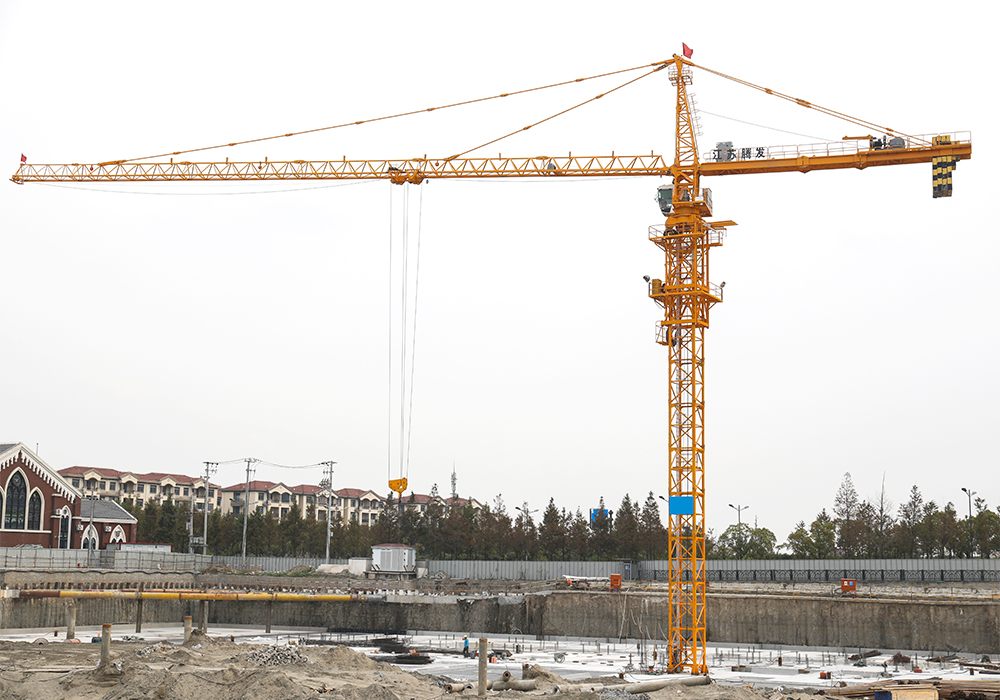
| Operational Footprint | Requires a ground-based drive unit and a mast attached to the building. | Requires a large foundation and clear swing radius. |
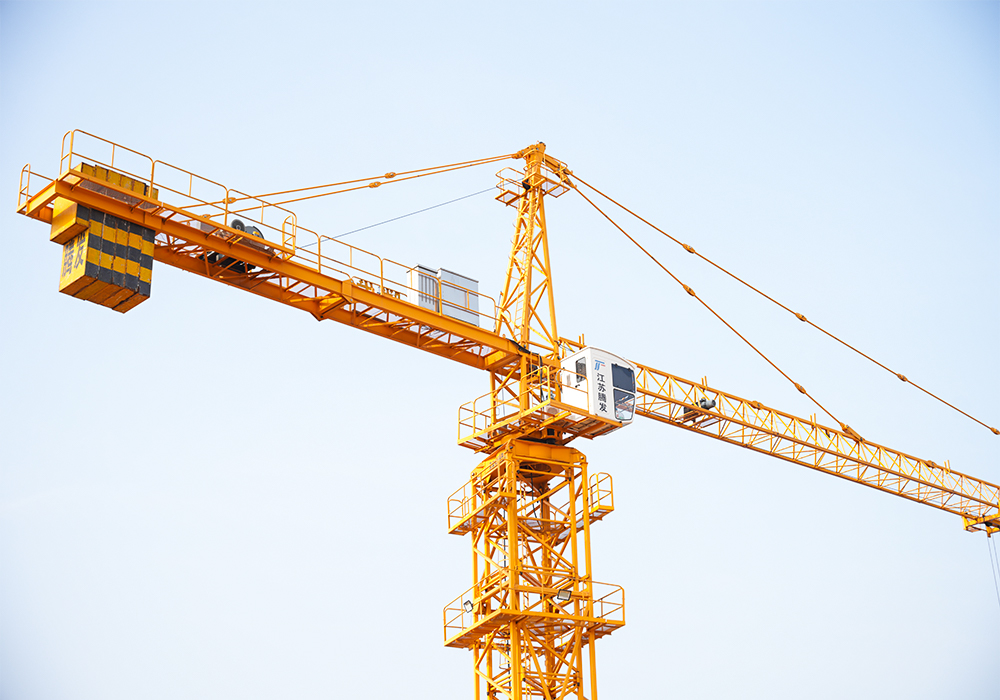
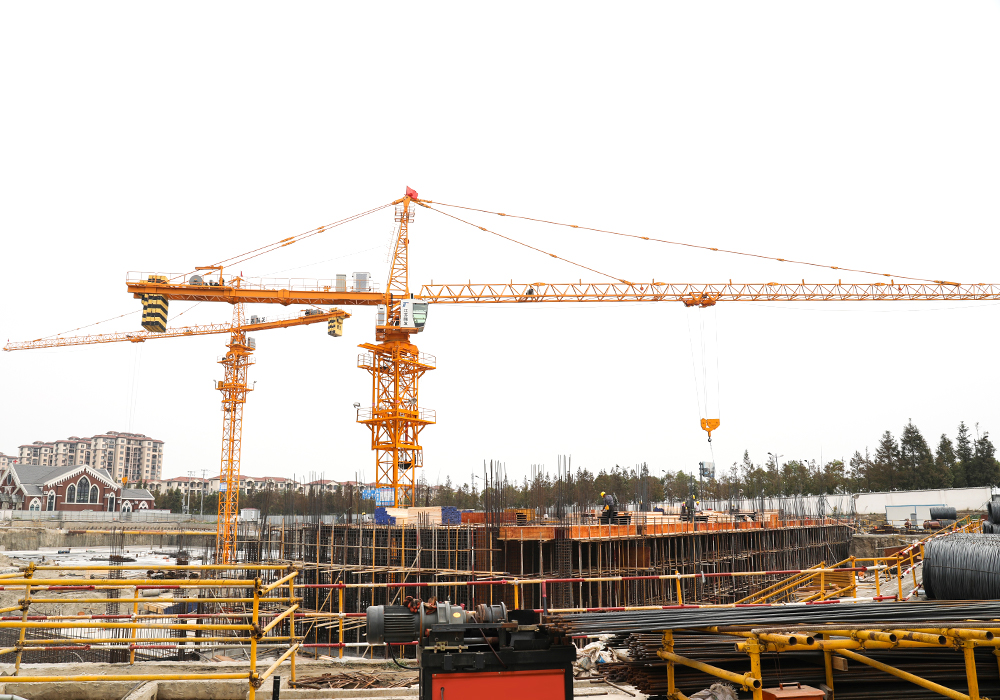
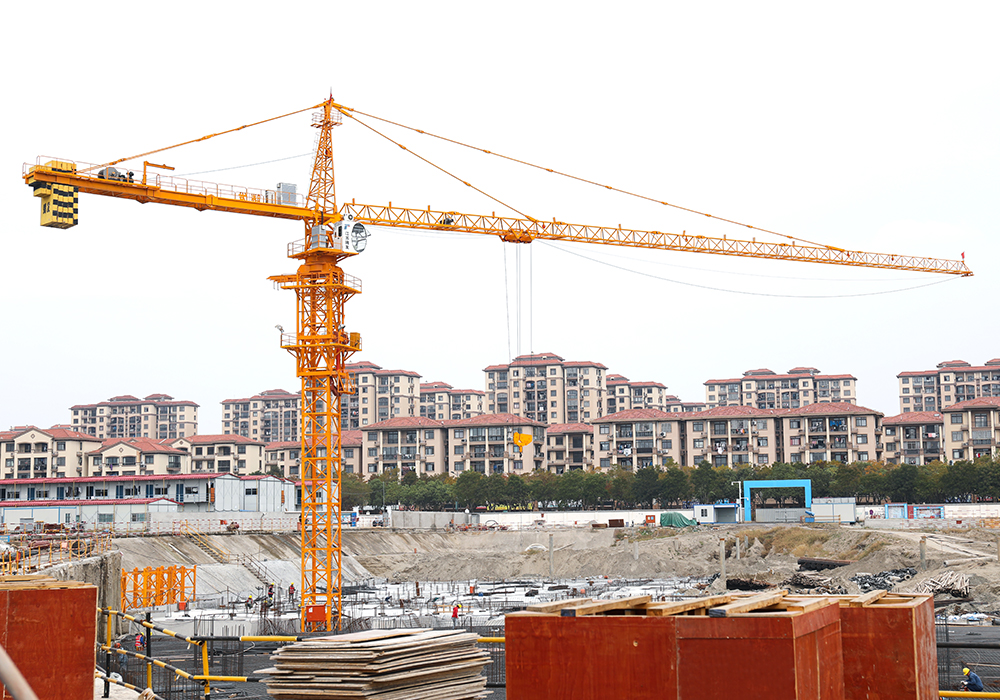
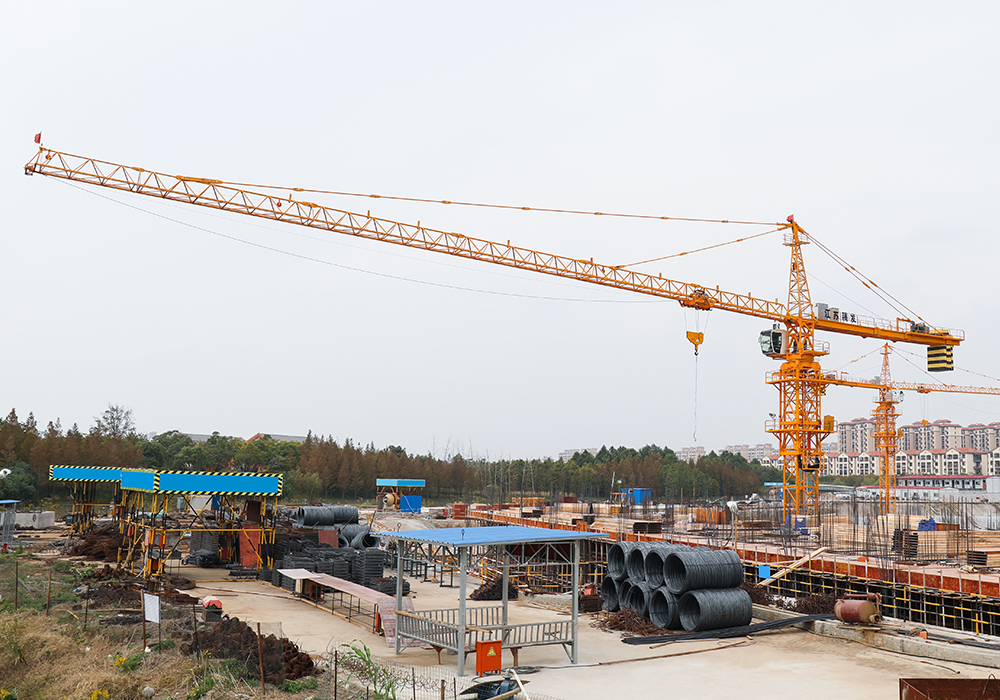
As shown, the construction hoist excels in systematic, high-frequency vertical logistics, while the tower crane is the master of heavy lifting and placement[2]. For optimal site efficiency, they are often used as complementary systems. A project manager might use the tower crane for structural elements and the construction lifter for all subsequent finishing materials, a synergy that Tengfa's dual expertise in both product lines supports.
The Tengfa Commitment: Engineering Excellence in Every Hoist
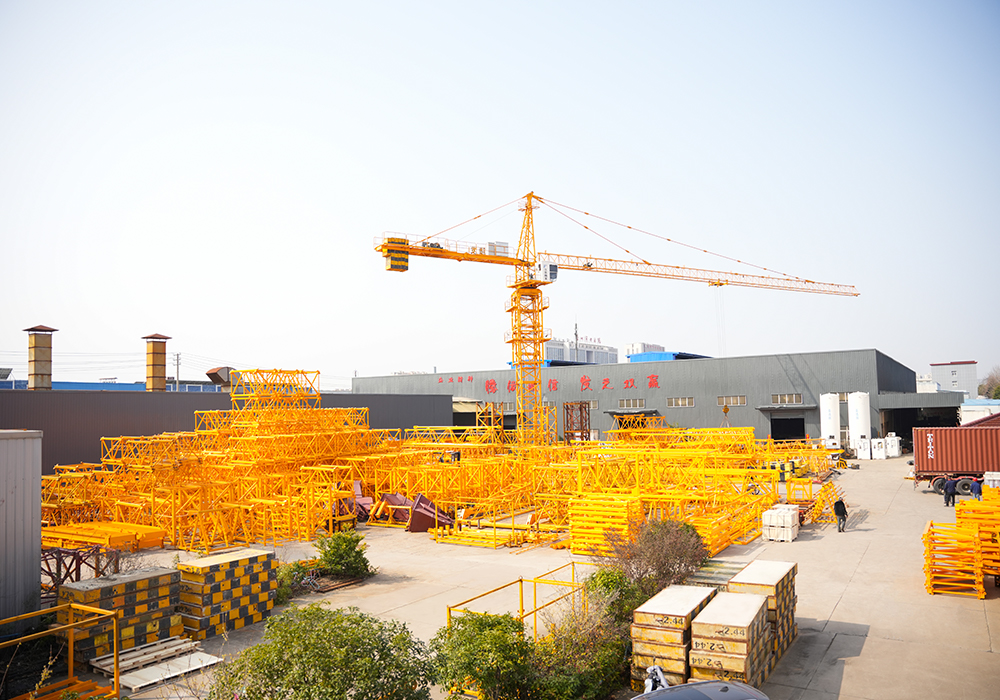
Located in Taizhou's Hailing Industrial Park, Jiangsu Tengfa Construction Machinery Co., Ltd. embodies the advanced manufacturing capabilities of the region. With a registered capital of 55 million yuan and an annual output value of 500 million yuan, the company's scale is matched by its dedication to precision.
Manufacturing and Quality Assurance
- Advanced Production: Utilizing machining centers, automated welding robots, and automatic spraying lines for consistency.
- Rigorous Certification: Holding ISO9001:2015 certification and national Class A manufacturing license.
- Strategic Sourcing: Partnering with top-tier suppliers for components, ensuring durability from the ground up.
Global Reach and Service
With over 30,000 units operating across 30 Chinese provinces and exported to over 20 countries including Saudi Arabia and Vietnam, Tengfa's global footprint is a testament to product reliability. The company's philosophy of "Based on Trust, Aiming for a Win-Win Situation" drives its comprehensive after-sales support network, ensuring clients have the resources for successful project completion, whether they are evaluating a rack and pinion hoist advantages for high rise buildings or a portable aluminum hoist for low rise construction.
Frequently Asked Questions (FAQs)
1. What are the most critical construction hoist safety regulations and inspection checklist items?
Daily inspections should check brake function, gate interlocks, overload devices, and structural integrity. Regular professional inspections as per local regulations (e.g., monthly, annually) are mandatory. Always follow the manufacturer's manual and national safety standards like GB/T 10054 for construction hoists.
2. How do I calculate construction hoist capacity for a project?
Analyze your peak material flow (tons/hour) and personnel shift changes. Factor in the weight of a standard material pallet or the number of workers. Add a 20-25% safety margin. The total weight and required cycle time will determine the needed cage size and hoist speed.
3. In the debate of tower crane vs construction hoist material handling efficiency, which is better for bricks and mortar?
The construction hoist is overwhelmingly more efficient for bulk, small-item materials like bricks, mortar, and drywall. It allows for systematic loading and unloading at multiple levels, while a tower crane would be impractically slow for such tasks.
4. When are portable aluminum hoists a suitable choice?
They are ideal for low-rise projects (typically under 20 meters), renovation work, or sites with limited space and budget. Their lightweight nature allows for quick setup and repositioning without heavy foundations.
5. How does a rack and pinion hoist mechanism enhance safety?
The positive engagement of the pinion gear with the rack acts as a built-in fall-prevention system. Even in a power loss, the gear holds the cage in place. This inherent safety makes it the global standard for personnel hoists on tall structures.
Conclusion
The selection and application of a construction lifter are pivotal to modern construction management. From understanding specific types like rack and pinion systems to meticulously planning for capacity and safety, informed decisions lead to enhanced productivity and site safety. As the industry evolves with taller and more complex structures, partnering with an experienced, technologically adept manufacturer like Jiangsu Tengfa Construction Machinery Co., Ltd. provides a foundation of reliability. By focusing on core principles of quality, innovation, and partnership, the future of vertical construction transport continues to reach new heights.
References
[1] Shapiro, H. I., et al. *Cranes and Derricks*. 4th ed., McGraw-Hill Education, 2010. (For comparison of vertical transport equipment applications).
[2] Peurifoy, R. L., & Schexnayder, C. J. *Construction Planning, Equipment, and Methods*. 8th ed., McGraw-Hill Education, 2011. (For analysis of material handling efficiency and equipment synergy on construction sites).