

 English
 русский
 Español
 中文简体
中文简体
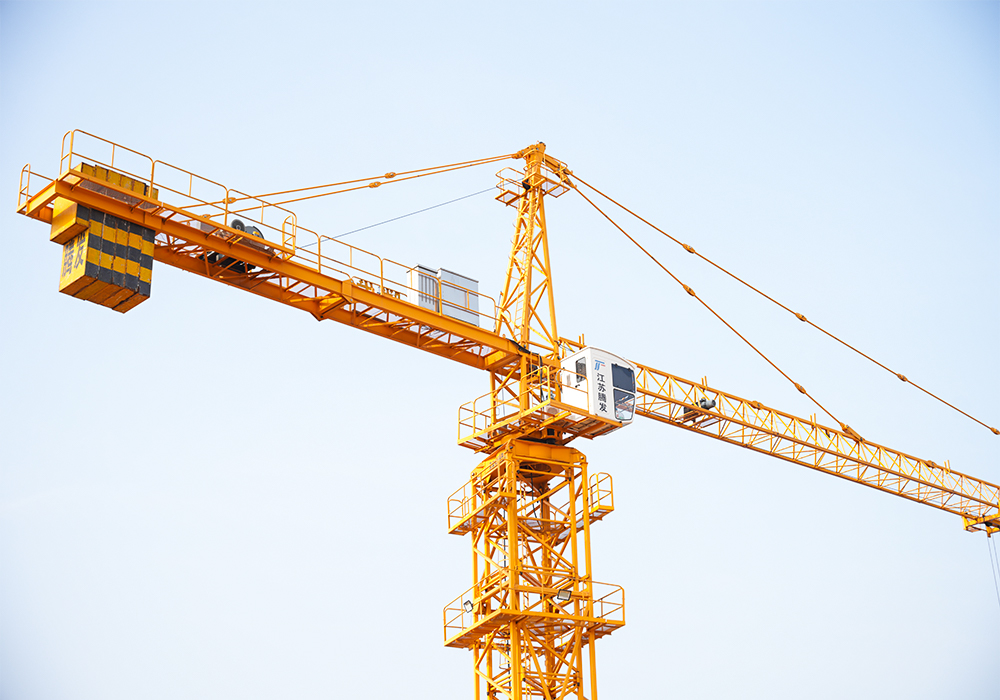
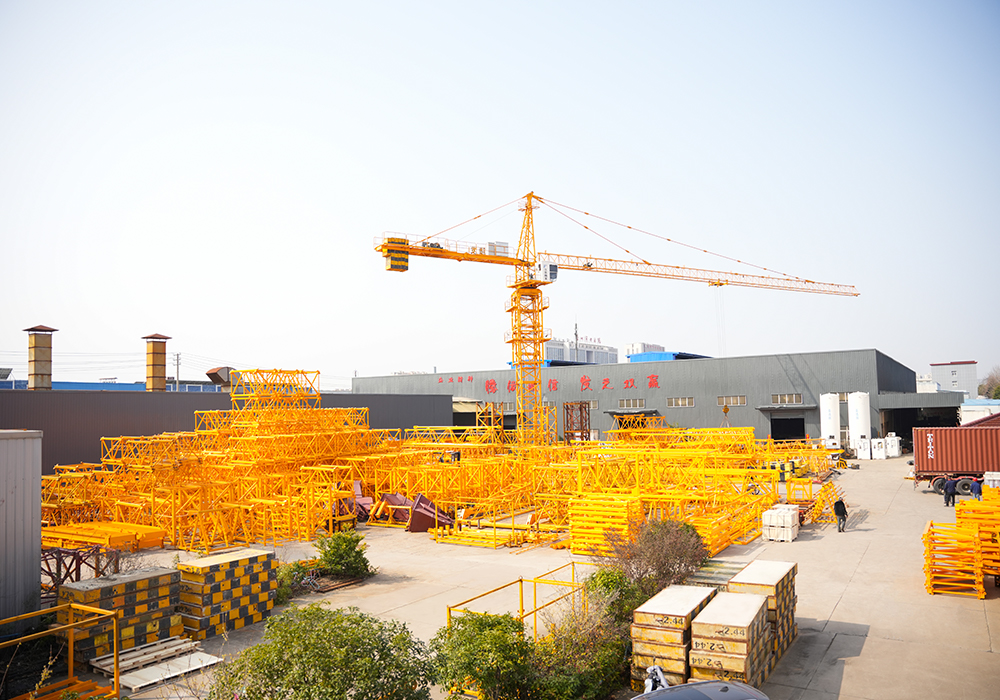
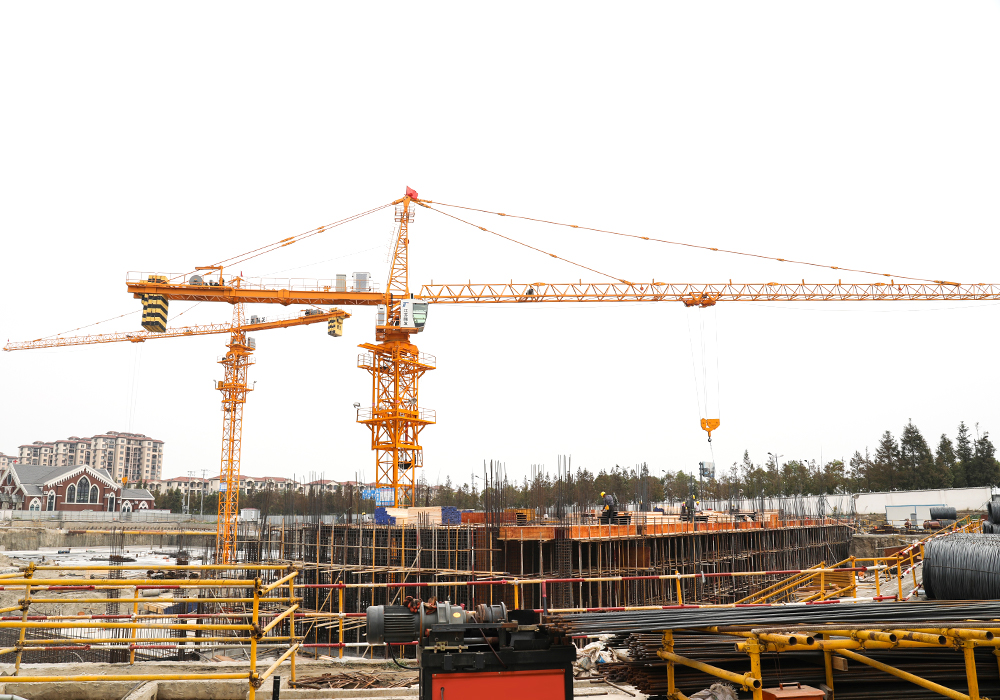
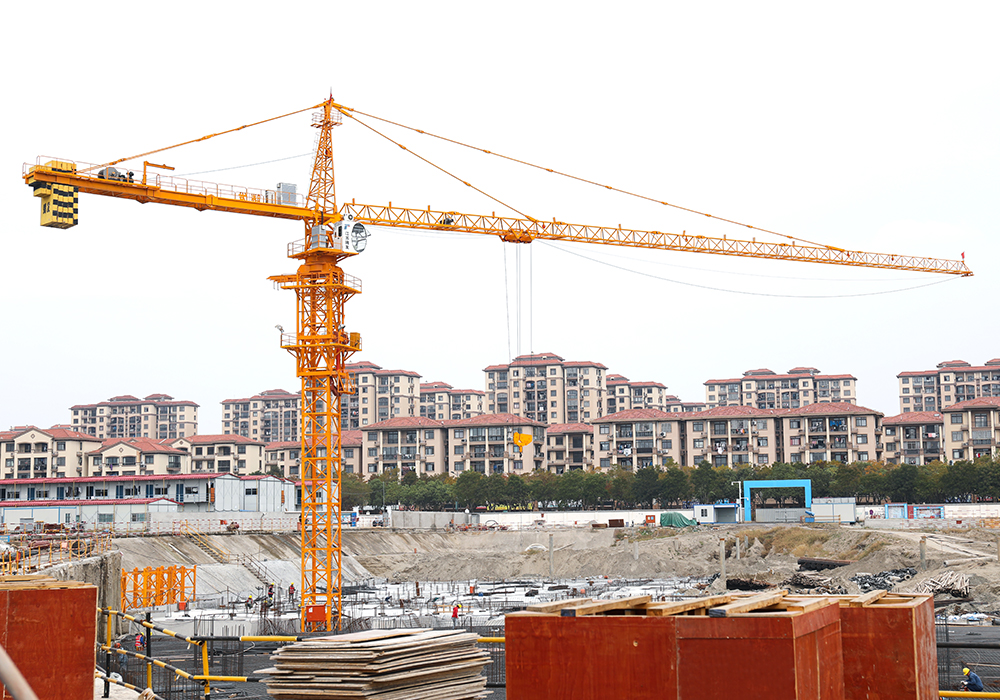
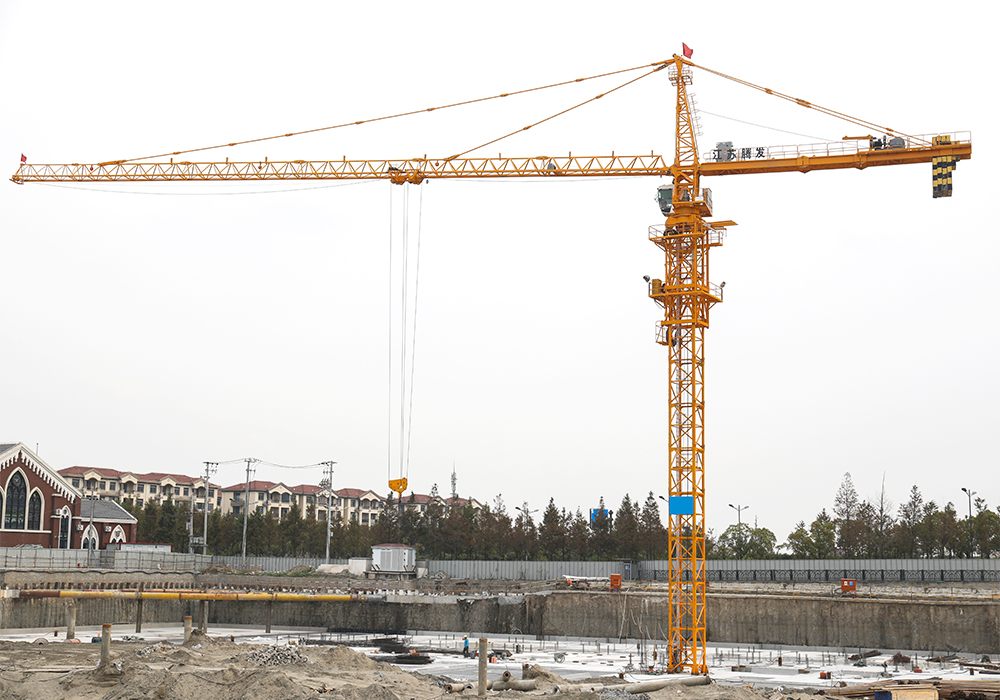
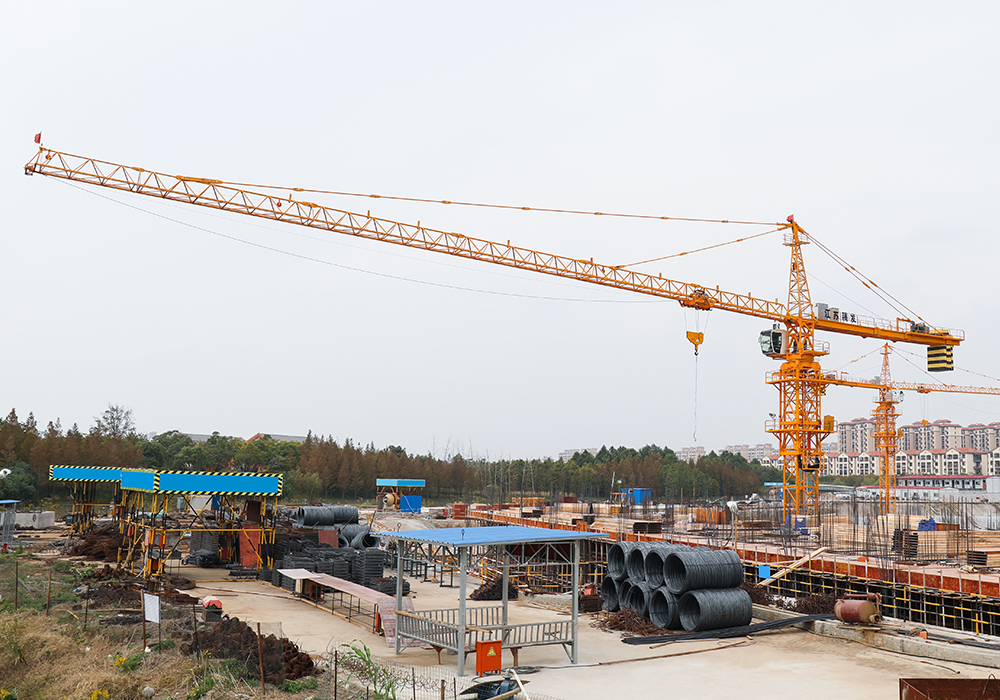
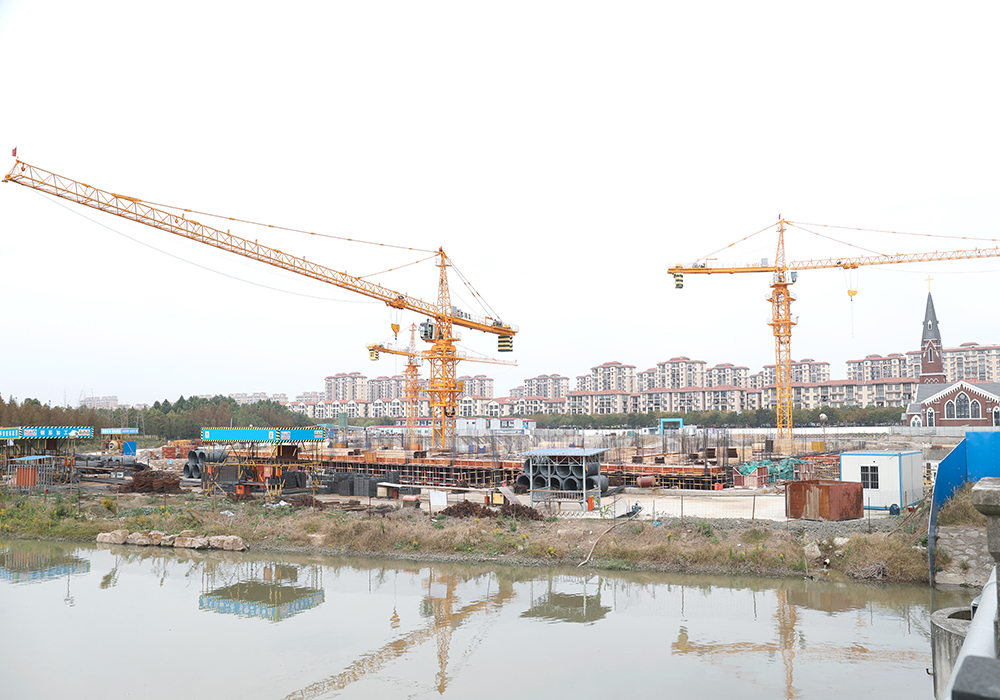
In the realm of high-rise construction and heavy infrastructure, the Topkit Tower Crane, often referred to as the "Hammerhead" crane, remains the global standard for structural reliability and lifting precision. Unlike its flat-top counterparts, the Topkit Tower Crane utilizes a prominent tower head (the "kit") to support the jib and counter-jib via a system of tie-bars or pendants. This design allows for superior tension management across the horizontal members. Understanding the benefits of topkit tower cranes in heavy lifting is essential for site engineers who must balance cost-efficiency with high-load capacity requirements.
Content
- 1 1. Structural Mechanics: The Role of the Tower Head and Pendants
- 2 2. Advanced Load Dynamics and Hoisting Precision
- 3 3. Maintenance and Longevity: The Engineer's Perspective
- 4 4. Safety Protocols and Environmental Adaptability
- 5 5. Conclusion: Why the Hammerhead Remains the Professional Choice
- 6 Frequently Asked Questions (FAQ)
- 6.1 1. What are the primary benefits of topkit tower cranes in heavy lifting?
- 6.2 2. In the topkit tower crane vs flat top tower crane debate, which is easier to install?
- 6.3 3. What are the standard topkit tower crane mast section dimensions?
- 6.4 4. How do topkit tower crane safety devices and sensors prevent accidents?
- 6.5 5. Can I customize the topkit tower crane jib length options?
- 7 Industry References
1. Structural Mechanics: The Role of the Tower Head and Pendants
The defining feature of a Topkit Tower Crane is the apex structure situated above the slewing assembly. This tower head facilitates the use of tie-rods, which significantly reduce the dead weight of the jib itself. By converting bending moments into axial forces through the pendants, engineers can design longer jibs without a proportional increase in steel thickness. When evaluatingthe topkit tower crane vs flat top tower crane performance, it is evident that the hammerhead design excels in static load bearing, whereas the flat-top is preferred for sites with strict height over-fly restrictions. The topkit tower crane mast section dimensions are specifically engineered to handle these high-torque vertical stresses, ensuring the stability of the entire assembly.
Comparison: Structural Efficiency and Application
The hammerhead design offers a higher strength-to-weight ratio for the horizontal jib, while the flat-top design offers simplified assembly in multi-crane environments.
| Feature | Topkit Tower Crane (Hammerhead) | Flat Top Tower Crane |
| Jib Stress Management | Tensile tie-bars reduce bending stress | Heavy reinforced jib to resist bending |
| Maximum Lifting Capacity | Superior for heavy-duty load moments | Moderate for general construction |
| Over-fly Clearance | Requires more vertical space due to the tower head | Low profile; ideal for overlapping sites |
2. Advanced Load Dynamics and Hoisting Precision
Precision in tower crane load moment calculation is the foundation of site safety. The Topkit Tower Crane provides a highly predictable deflection curve. Because the tie-bars provide a fixed point of tension, the jib exhibits less "bounce" during high-speed hoisting compared to cantilevered designs. This stability is crucial when performing topkit tower crane installation steps in high-wind zones, where every millimeter of movement must be controlled. Furthermore, the topkit tower crane jib length options allow for customization across various radii, ensuring that the "sweet spot" of the load chart aligns perfectly with the heavy-lift requirements of the core structure.
3. Maintenance and Longevity: The Engineer's Perspective
From a long-term operational standpoint, how to maintain topkit tower crane slewing mechanisms is a primary concern for fleet managers. The centered load distribution provided by the tower head reduces uneven wear on the slewing ring and rollers. Additionally, the topkit tower crane electrical system troubleshooting is often more straightforward due to the centralized location of cabinets near the cab and slewing platform. Modern hammerhead cranes integrate frequency converters to ensure smooth transitions, reducing the mechanical shock typically associated with topkit tower crane hoisting speed specifications and sudden braking.
Comparison: Maintenance Requirements
The hammerhead design requires specific inspection of tension members, whereas cantilevered designs require more intensive monitoring of jib weld fatigue.
| Maintenance Area | Topkit Tower Crane focus | Cantilevered/Flat-Top focus |
| Structural Integrity | Tie-bar pin and pendant tension inspection | Jib chord weld and bolt torque inspection |
| Slewing Wear | Balanced distribution; moderate wear | High moment stress on slewing ring bearings |
| Service Life | Excellent for 15+ years with proper maintenance | Variable based on jib fatigue cycles |
4. Safety Protocols and Environmental Adaptability
Safety is non-negotiable in crane operations. High-performance hammerhead cranes are equipped with anemometers, anti-collision systems, and zone protection software. The topkit tower crane safety devices and sensors are designed to provide real-time feedback to the operator. This is particularly relevant when considering the topkit tower crane wind load capacity, as the tower head and tie-bars offer a more rigid frame against lateral forces compared to non-braced designs. During topkit tower crane foundation design requirements, engineers must account for the significant vertical and overturning moments that this rigid frame transmits to the base.
Key Technical Advantages:
- High Tensile Pendants: Allow for jibs exceeding 70-80 meters with minimal deflection.
- Optimized Load Moment: Enhanced stability at the jib tip for precision placement.
- Modular Mast Sections: Facilitates easy transport and rapid climbing.
- Ergonomic Cabs: High visibility and integrated PLC controls for the operator.
5. Conclusion: Why the Hammerhead Remains the Professional Choice
Despite the rise of specialized crane types, the Topkit Tower Crane remains the "workhorse" of the construction industry. Its blend of mechanical simplicity and high load-bearing capacity makes it the most cost-effective solution for large-scale projects. By mastering tower crane load moment calculation and adhering to strict maintenance schedules, engineering firms can ensure maximum uptime and safety on every job site.
Frequently Asked Questions (FAQ)
1. What are the primary benefits of topkit tower cranes in heavy lifting?
The primary benefit is the use of tie-bars (pendants), which support the jib at multiple points. This allows the crane to lift heavier loads at greater distances with less structural jib weight compared to flat-top models.
2. In the topkit tower crane vs flat top tower crane debate, which is easier to install?
Flat-top cranes are generally faster to install in sections, but the Topkit Tower Crane is often more cost-effective to manufacture and transport for long-term projects where initial setup time is outweighed by lifting performance.
3. What are the standard topkit tower crane mast section dimensions?
Dimensions vary by model but typically range from 1.2m x 1.2m to 2.0m x 2.0m. The choice depends on the desired free-standing height and the maximum load moment requirements of the site.
4. How do topkit tower crane safety devices and sensors prevent accidents?
These systems monitor load weight, trolley position, slewing angle, and wind speed. If the operator attempts a lift that exceeds the rated load moment, the system automatically cuts the power to the hoisting or trolleying functions.
5. Can I customize the topkit tower crane jib length options?
Yes. Most modern hammerhead cranes are modular, allowing engineers to reduce the jib length in 5-meter increments to fit tight urban sites or to maximize lifting capacity at shorter radii.
Industry References
- ISO 4301-3: Cranes — Classification — Part 3: Tower cranes.
- EN 14439: Cranes — Safety — Tower cranes.
- FEM 1.001: Rules for the Design of Hoisting Appliances.
- CMAA Specification #70: Specifications for Top Running Bridge & Gantry Type Multiple Girder Overhead Electric Traveling Cranes.