

 English
 русский
 Español
 中文简体
中文简体
Content
- 1 The Enduring Legacy of the Topkit Design
- 2 Understanding the Core Mechanics of Topkit Tower Cranes
- 3 Technical Specifications and Performance Metrics
- 4 The Advantage of Stability and Height
- 5 2026 Technological Innovations: Smart Sensing and AI
- 6 Global Market Demand and Economic Analysis
- 7 Safety Protocols and Regulatory Compliance
- 8 Installation and Dismantling - Efficiency is Key
- 9 Why Choose Our Topkit Tower Cranes?
- 10 FAQ: Frequently Asked Questions
- 11 References
The Enduring Legacy of the Topkit Design
In the rapidly evolving landscape of global construction, the Topkit tower crane, often referred to as the hammerhead tower crane, remains a cornerstone of vertical transportation. While newer designs like flat-top and luffing jib cranes have carved out their niches, the classic Topkit configuration continues to dominate the majority of large-scale infrastructure and residential projects worldwide. As we move into 2026, the integration of smart technology and high-tensile materials has breathed new life into this reliable workhorse. This article explores why the Topkit tower crane is not just a relic of the past but a sophisticated tool engineered for the future of the construction industry.
Understanding the Core Mechanics of Topkit Tower Cranes
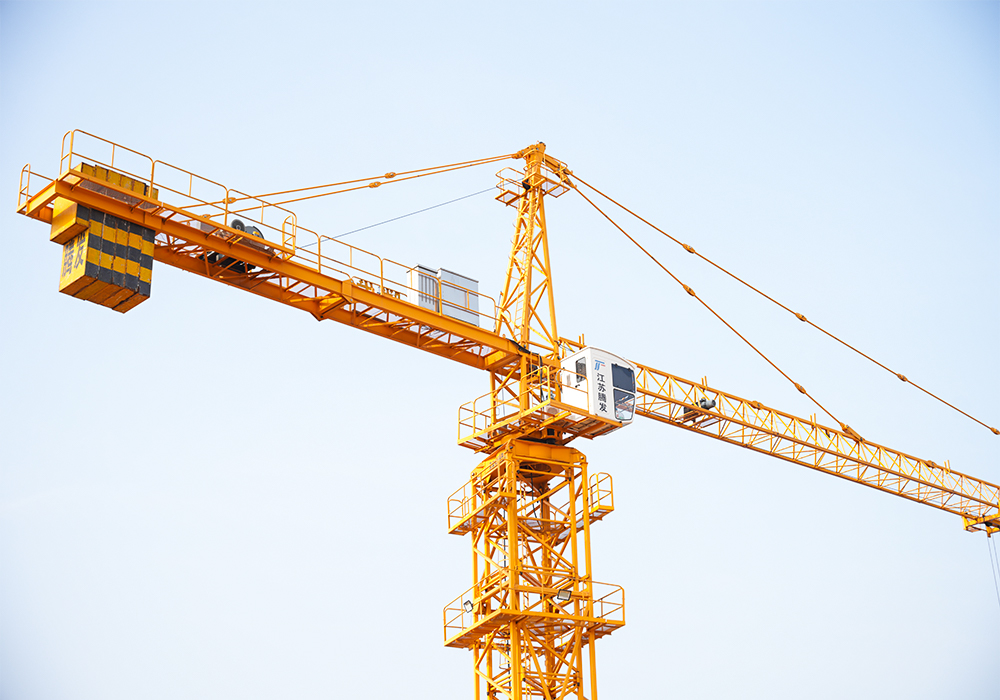
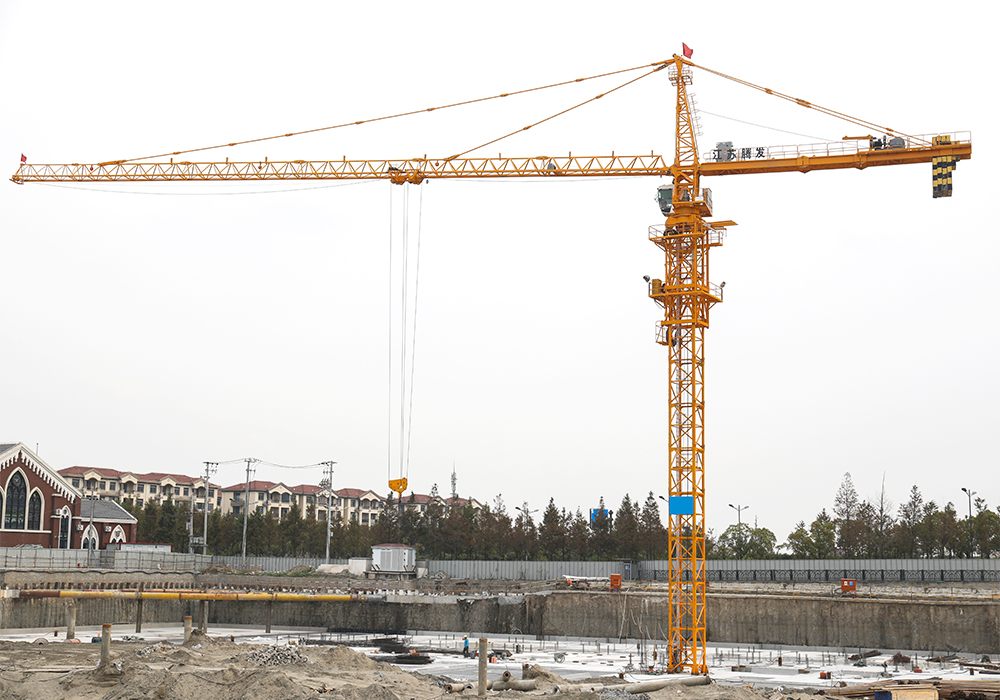
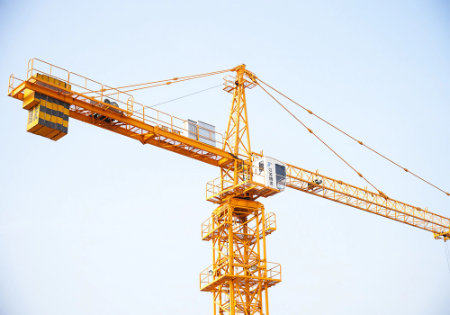
The term Topkit refers to the traditional tower crane design characterized by a distinctive tower head (the kit) that extends above the jib and counter-jib. This apex serves as the anchor point for the tie-bars (pendants) that support the horizontal members. The mechanical advantage of this design is rooted in the distribution of tension. By using a tower head and tie-bars, the jib experiences primarily compressive forces rather than bending moments, allowing for a lighter jib structure that can still handle immense loads.
For manufacturers and site managers, this translates to a high strength-to-weight ratio. In 2026, improvements in metallurgical engineering have allowed for the use of ultra-high-strength steel alloys in these structures. This reduces the dead weight of the crane itself, making transportation and assembly more cost-effective without compromising the maximum lifting capacity.
Technical Specifications and Performance Metrics
When evaluating a Topkit tower crane, several key performance indicators (KPIs) define its suitability for a project. These include the maximum lifting capacity, the tip load (lifting capacity at the end of the jib), and the free-standing height.
| Feature Component | Technical Specification (2026 Standard) | Operational Benefit |
|---|---|---|
| Lifting Capacity | 6t to 64t+ | Versatile for various material weights |
| Jib Length | 40m to 80m | Extensive coverage for large sites |
| Hoisting Speed | Up to 100m/min | Increased cycle efficiency |
| Mast Section Type | Monoblock or Split (Pin/Bolt) | Optimized for logistics and shipping |
| Control System | PLC-based Frequency Conversion | Smooth movement and precise positioning |
The shift towards frequency conversion technology in hoisting, trolleying, and slewing mechanisms has revolutionized Topkit performance. In 2026, these systems are more responsive, allowing operators to place heavy prefabricated components with millimeter precision, a requirement that is becoming standard in the era of modular construction.
The Advantage of Stability and Height
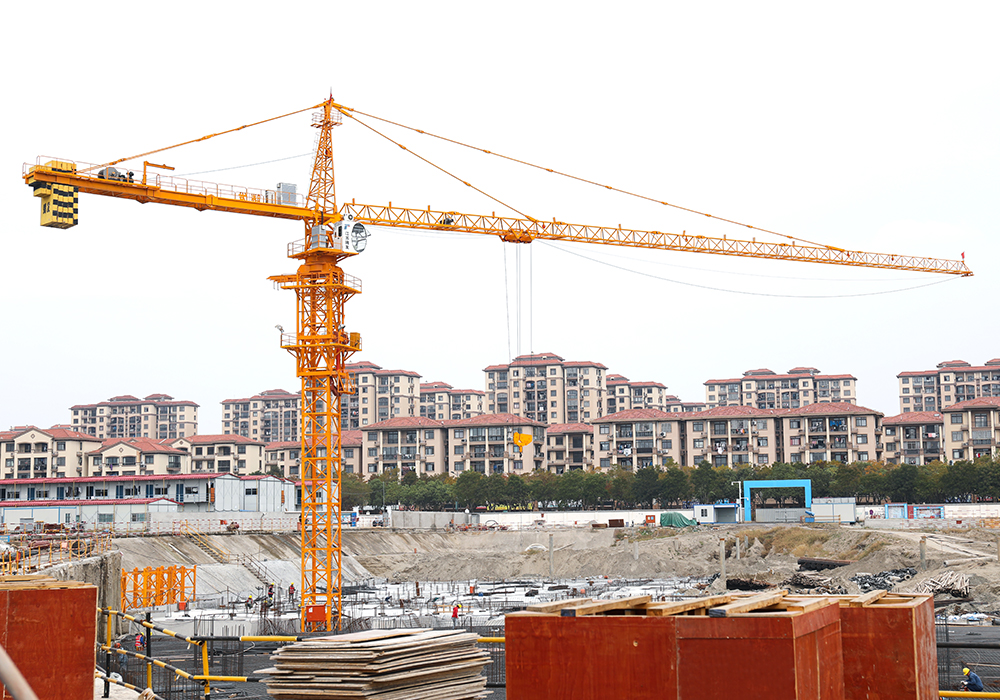
One of the primary reasons the Topkit design is preferred for mega-projects is its inherent stability at extreme heights. The tie-bar system provides a rigid framework that minimizes jib deflection. This is particularly critical in high-wind environments or when the crane is performing “climbing” operations on a skyscraper.
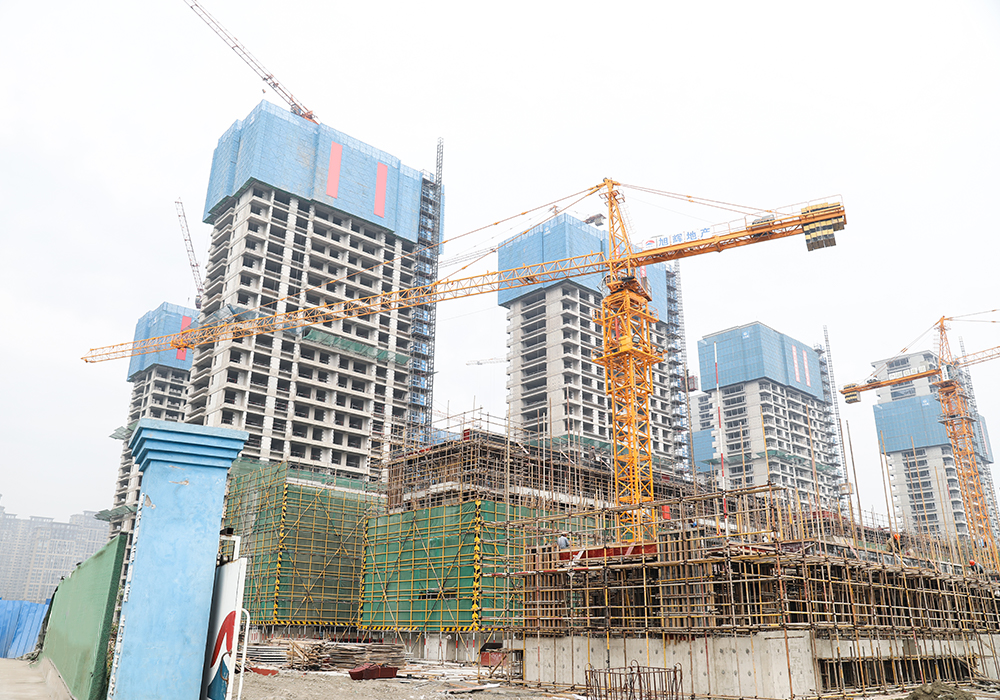
Topkit cranes are designed to grow with the building. Through a process of hydraulic jack-up (internal or external climbing), the crane adds mast sections to itself. The tower head design facilitates this growth more efficiently than some alternative designs because the center of gravity remains more predictable during the telescoping process. For a manufacturer, providing a stable climbing frame and high-quality mast sections is the key to ensuring the longevity of the equipment across multiple projects.
2026 Technological Innovations: Smart Sensing and AI
The most significant change in Topkit tower cranes over the last two years has been the “digital nervous system” now embedded in the machine. Modern Topkit cranes are equipped with an array of sensors that monitor every aspect of the lift in real-time.
- Anti-Collision Systems: In 2026, these are no longer optional extras. Advanced GEO-fencing and crane-to-crane communication prevent accidental contact in crowded urban sites where multiple jibs overlap.
- Load Moment Indicators (LMI): AI-enhanced LMI systems now predict potential overloads before they occur, taking into account environmental factors like wind gusts and temperature-induced metal fatigue.
- Remote Diagnostics (Telematics): Fleet managers can now monitor a crane’s health from a central office. Sensors track the wear on wire ropes, the heat in motors, and the integrity of electrical connections, enabling predictive maintenance that prevents costly downtime.
Global Market Demand and Economic Analysis
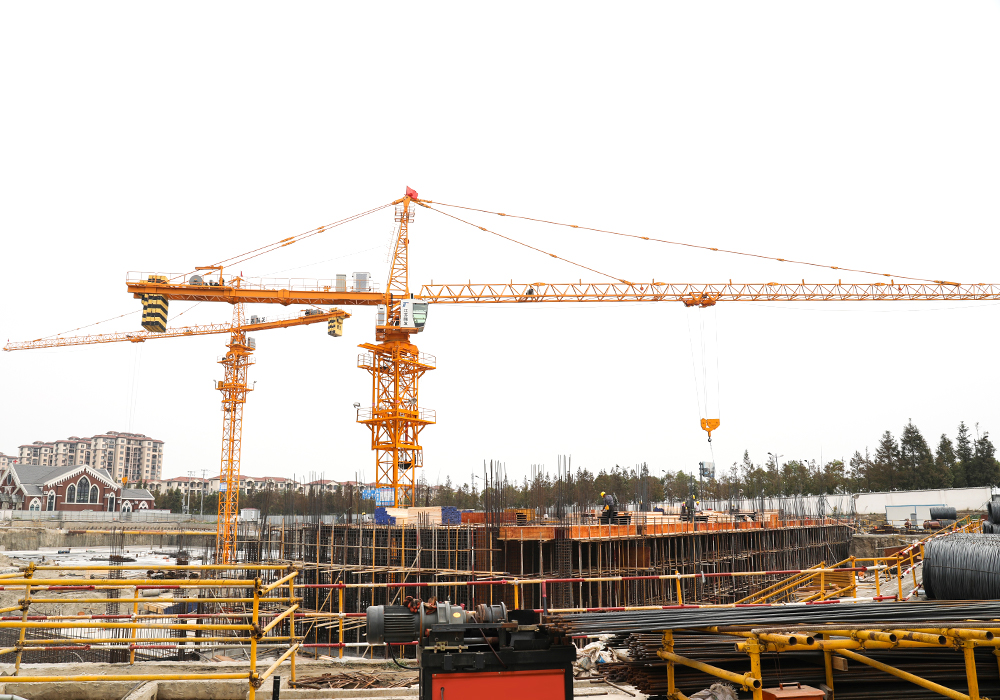
The global demand for Topkit tower cranes is seeing a resurgence in 2026, driven by infrastructure booms in Southeast Asia, the Middle East, and parts of Africa. Urbanization continues to be a primary driver; as cities grow vertically, the need for reliable, high-capacity lifting increases.
From a procurement perspective, the Topkit crane offers an excellent Return on Investment (ROI). Compared to luffing cranes, they are generally less expensive to purchase and maintain. Compared to flat-top cranes, they offer better performance for very long jib requirements where the tie-bars provide necessary support. For international trade, the “split mast” design has become a standard, allowing high-capacity cranes to be packed into standard 40HC containers, significantly reducing freight costs.
Safety Protocols and Regulatory Compliance
Safety remains the paramount concern in tower crane operations. The industry has seen a tightening of regulations globally (such as the updated ISO standards and Eurocode requirements). For a Topkit crane to be competitive in 2026, it must meet rigorous safety criteria:
- Redundant Limit Switches: Multiple layers of protection for hoisting and trolleying limits.
- Black Box Data Recording: Similar to aviation, cranes now record all operational data for post-incident analysis.
- Operator Ergonomics: Modern cabins are equipped with climate control, ergonomic seating, and high-definition camera displays that eliminate blind spots at the hook level.
Installation and Dismantling - Efficiency is Key
The “hidden” cost of a tower crane is often in the installation and dismantling phases. Topkit cranes require a mobile crane for initial assembly. However, the modularity of modern designs has streamlined this process. Innovative “quick-connect” pin systems and pre-assembled cabling allow a Topkit crane to be operational within days of arriving on site.
In 2026, we also see the rise of “self-dismantling” auxiliary equipment that helps lower the crane after the building is completed, particularly useful in dense urban centers where the use of large mobile cranes on the street is restricted or prohibitively expensive.
Why Choose Our Topkit Tower Cranes?
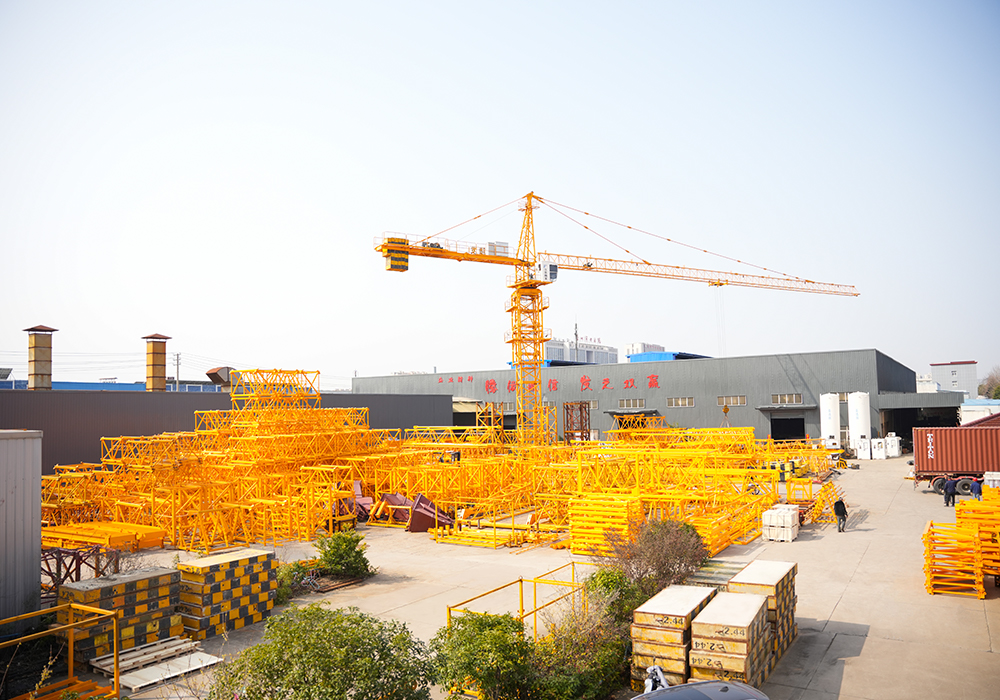
As a leading manufacturer and exporter, we understand that a tower crane is a long-term investment. Our 2026 Topkit series represents the pinnacle of reliability and technological integration. By focusing on high-grade raw materials, precision manufacturing, and the latest in AI-driven safety, we provide lifting solutions that empower contractors to build the skylines of tomorrow safely and efficiently. Whether you are working on a residential high-rise or a massive bridge project, our Topkit cranes offer the performance you need with the durability you expect.
FAQ: Frequently Asked Questions
- What is the main difference between a Topkit and a Flat-top tower crane?
The primary difference is the presence of the tower head (apex) and tie-bars on the Topkit model. This allows for a lighter jib design and better tension distribution, whereas Flat-top cranes are better for sites with height restrictions or overlapping jibs. - How do Topkit tower cranes handle high wind speeds?
Modern Topkit cranes are designed with “weathervaning” capabilities. When not in use, the brakes are released, allowing the jib to rotate freely with the wind, reducing the surface area resistance and protecting the structural integrity. - What is the average lifespan of a Topkit tower crane?
With proper maintenance and regular inspections, a high-quality Topkit tower crane can have an operational life of 15 to 20 years. Our 2026 models feature enhanced anti-corrosion coatings to further extend this lifespan in coastal environments. - Can the jib length be adjusted after purchase?
Yes, our Topkit cranes feature modular jib sections. You can add or remove sections to adjust the reach according to the specific requirements of different construction sites. - Do your cranes comply with international safety standards?
Absolutely. All our export models are manufactured to meet CE (Europe), ASME (USA), and ISO 9001 standards, ensuring they can be deployed on any major project site globally.
References
- International Organization for Standardization (ISO). (2025). ISO 4301-3:2025 - Cranes – Classification – Part 3: Tower cranes.
- Global Construction Review. (2026). “The Rise of Smart Lifting: How AI is Changing the Crane Industry.”
- Research and Markets. (2026). “Global Tower Crane Market Analysis and Forecast 2026-2032.”
- Tower Crane Association (TCA). (2025). “Safety Best Practices for Hammerhead Crane Operations.”
- Metallurgical Engineering Journal. (2025). “High-Tensile Steel Alloys in Construction Machinery: A Study on Fatigue Resistance.”