

 English
 русский
 Español
 中文简体
中文简体
Content
- 1 1. Physical Mechanical Characteristics of the A-Frame Head Structure
- 2 2. Hoisting Velocity and Cycle Efficiency vs. Alternative Crane Types
- 3 3. Structural Material Standards and Fatigue Life Assessment
- 4 4. Installation and Relocation Cost Analysis in Urban Environments
- 5 5. Advanced Tower crane automatic control and safety monitoring
- 6 6. Tower crane material selection for high altitude cold regions
- 7 Hardcore FAQ for Topkit Tower Cranes
- 8 Industry References
1. Physical Mechanical Characteristics of the A-Frame Head Structure
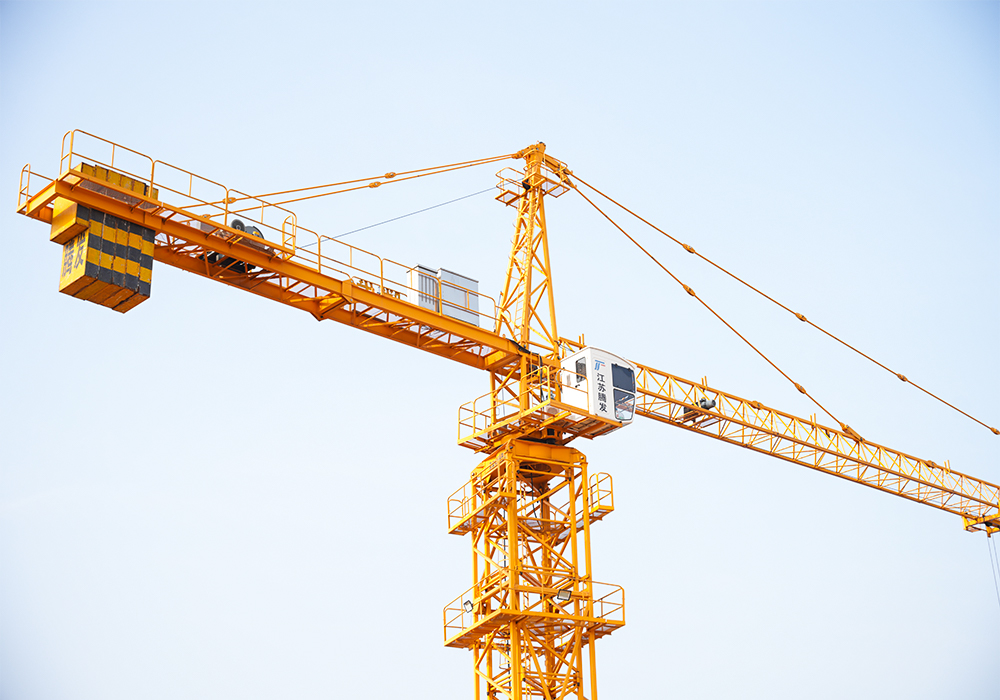
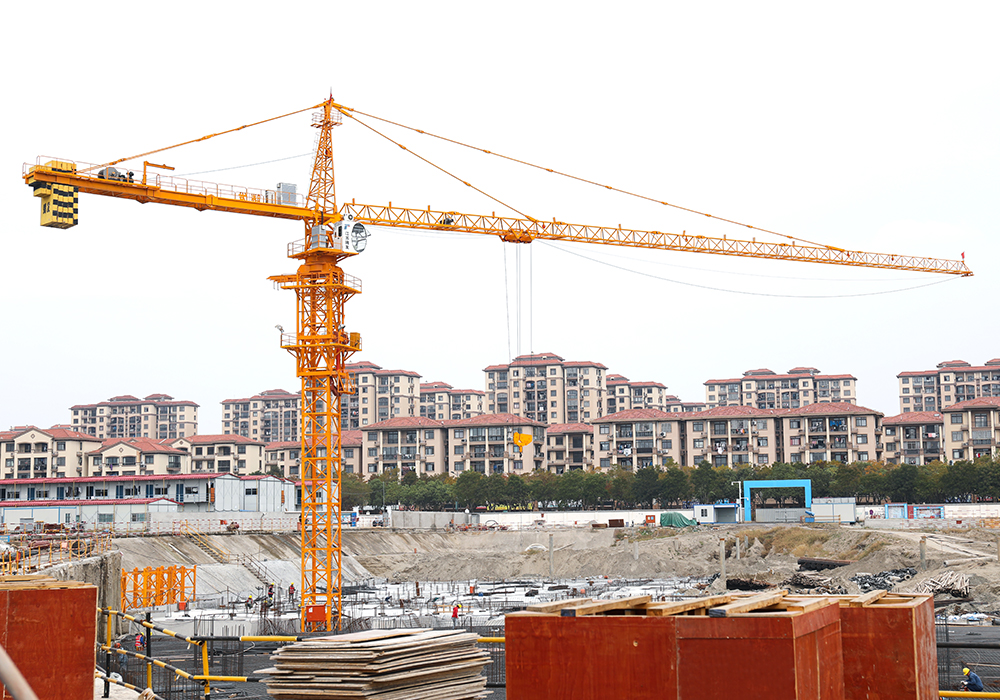
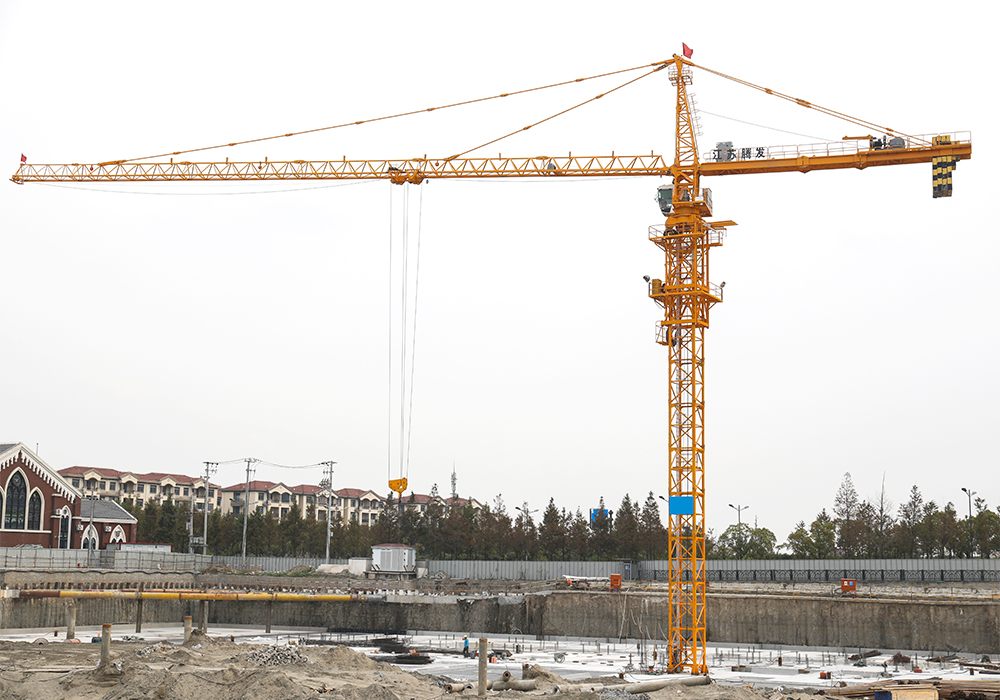
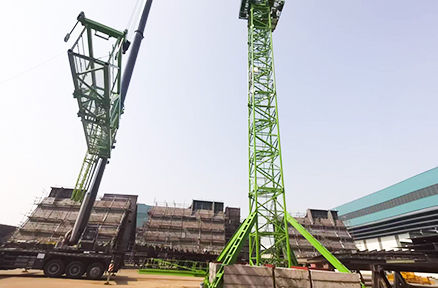
- 1. The defining feature of a Topkit Tower Crane is its triangular tower head (A-Frame), which transfers forces from the Jib and Counter Jib through Tie Bars to the tower peak.
- 2. Compared to a Topless Tower Crane, the overhead pendant structure significantly reduces Jib Deflection (tower crane jib deflection), ensuring precise positioning during high-altitude lifting of delicate components.
- 3. This traditional mechanical triangular support allows the Topkit Tower Crane to utilize a lighter truss framework for the same lifting capacity, resulting in a smaller windward surface area during Wind Resistance Rating (tower crane wind resistance rating) testing.
2. Hoisting Velocity and Cycle Efficiency vs. Alternative Crane Types
- 1. In skyscraper projects, the vertical hook velocity dictates the overall project timeline. Topkit Tower Crane units are typically equipped with high-power wound motors or frequency conversion control systems.
- 2. Regarding How to improve tower crane hoisting cycle efficiency, the hammerhead design excels in maintaining stability during long-distance lifting due to its mature winching systems and wire rope spooling technology.
- 3. When compared to a Luffing Jib Crane, the horizontal trolleying speed of a Topkit Tower Crane is substantially faster than luffing speeds, offering a decisive advantage in urban projects requiring frequent horizontal material movement.
3. Structural Material Standards and Fatigue Life Assessment
- 1. Critical load-bearing components, such as main chords, are typically fabricated from Q345B Manganese Steel meeting ISO 630-2 standards, with yield strength and low-temperature impact toughness strictly calculated.
- 2. In the Topkit Tower Crane vs Topless Tower Crane (Topkit vs Topless tower crane comparison) debate, the tie-bar system of the Topkit model effectively distributes bending moments at the jib root, extending the fatigue life of the slewing ring and structural connectors.
- 3. All weld seams must undergo Ultrasonic Testing (UT) according to AWS D1.1 standards to ensure that Topkit Tower Crane welding quality standards meet industrial-grade safety redundancies.
4. Installation and Relocation Cost Analysis in Urban Environments
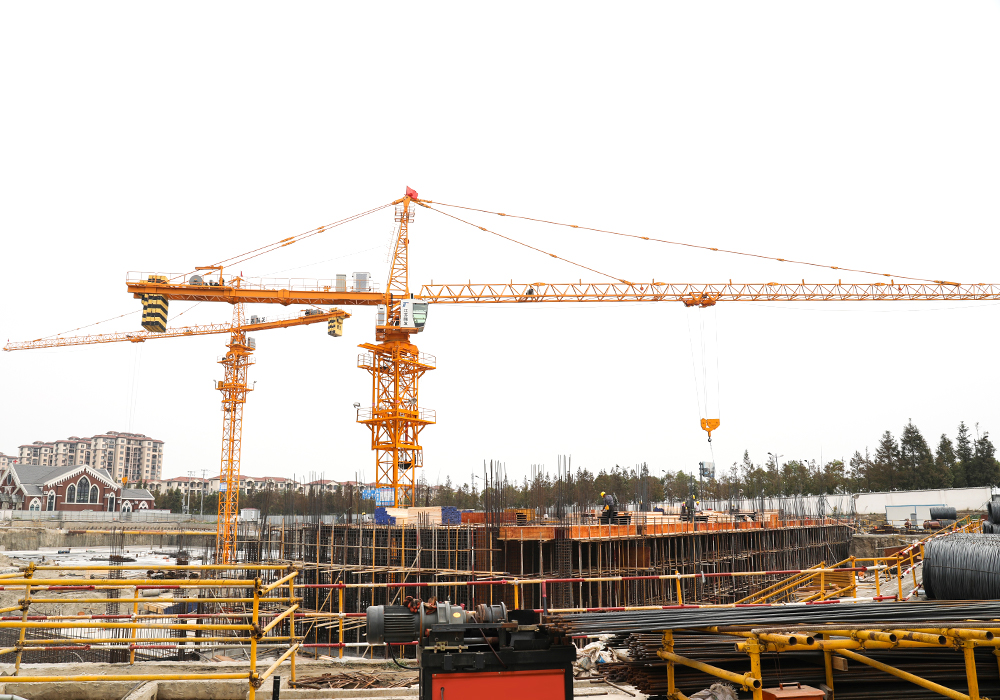
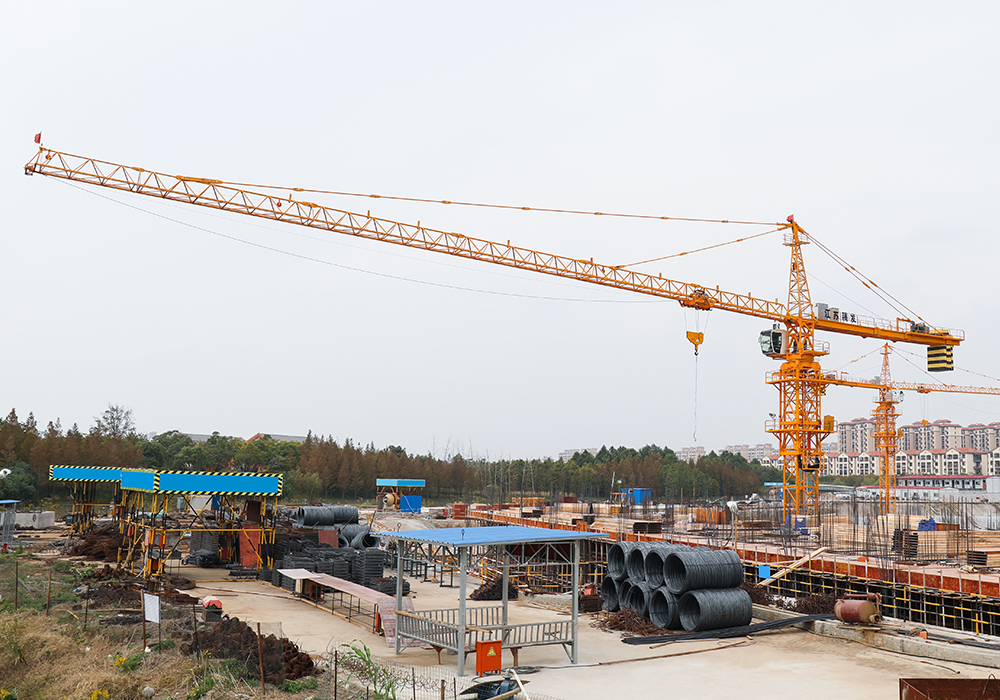
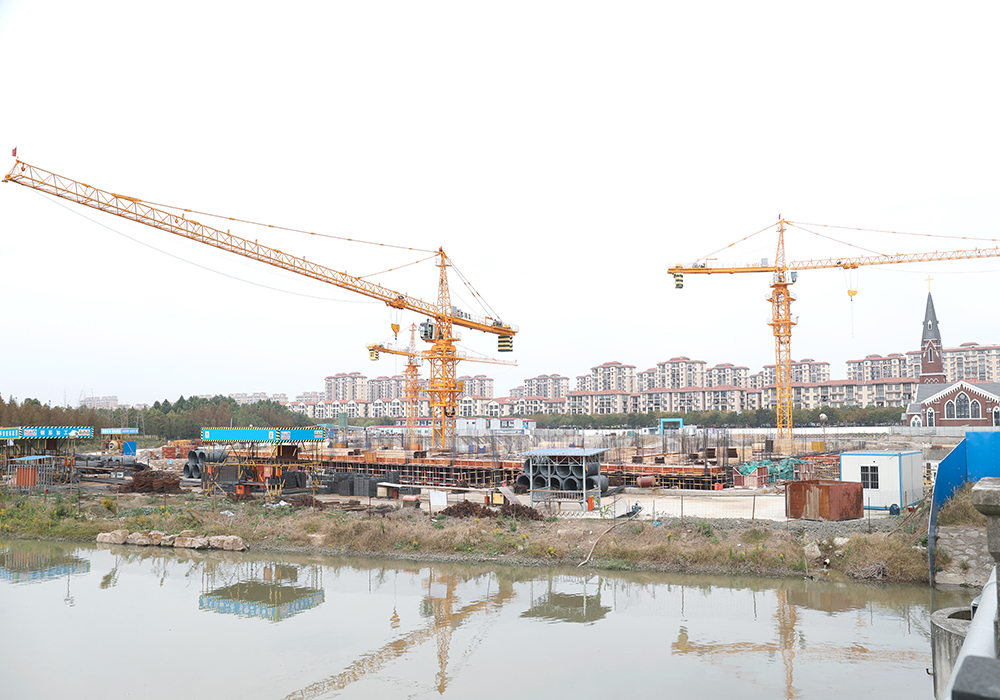
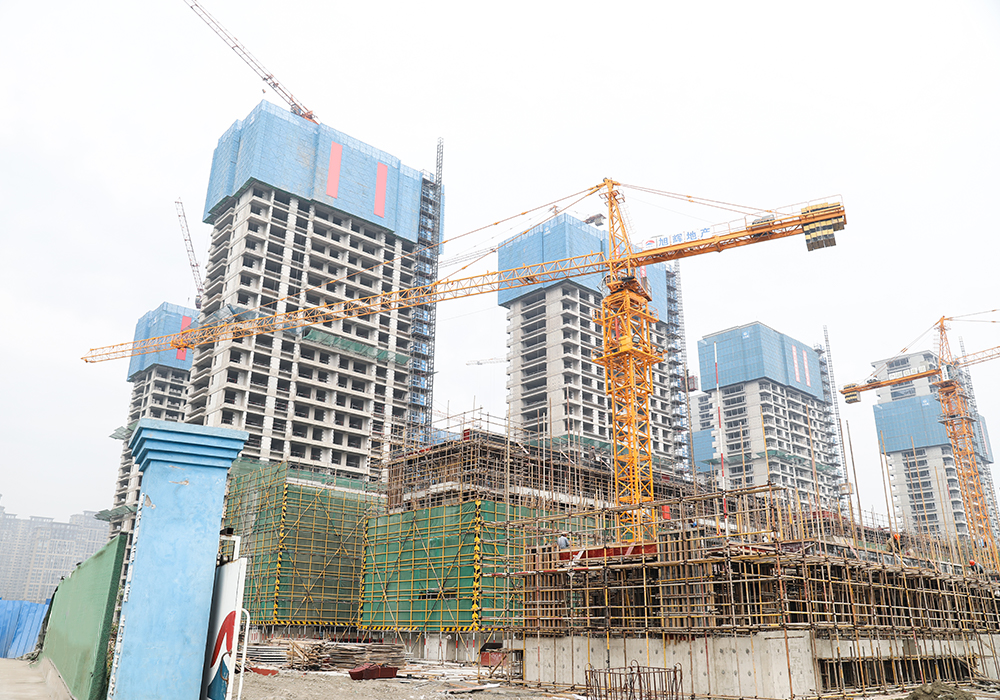
- 1. While flat-top cranes offer advantages in overlapping work zones, for sites requiring high free-standing heights, The advantages of Topkit tower crane free-standing height are more pronounced, reducing the number of wall attachments to the building core.
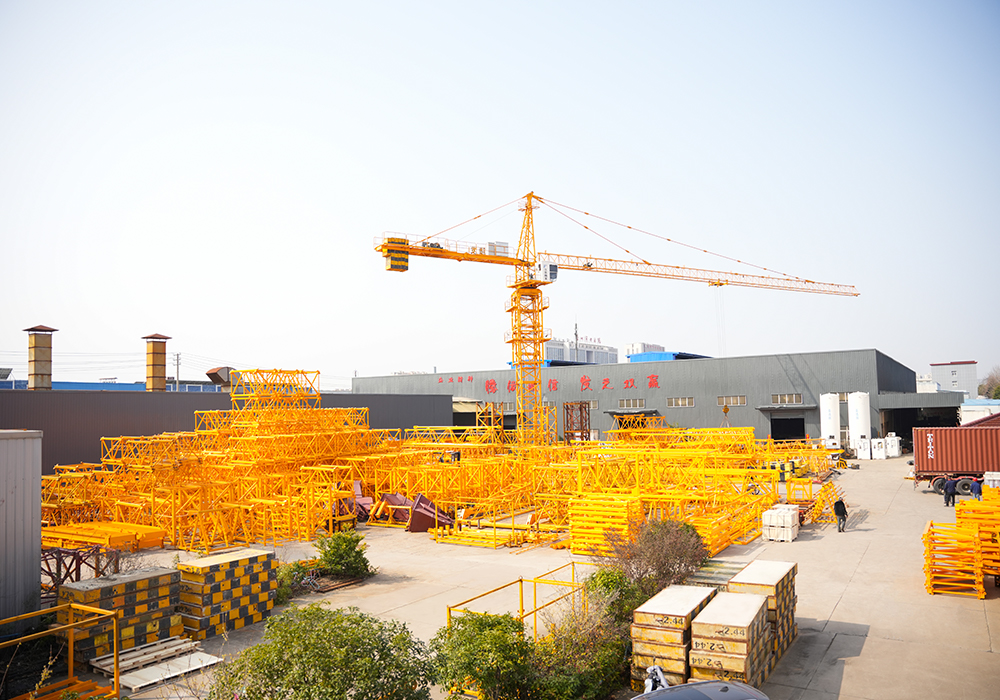
- 2. Considering Tower crane relocation and assembly costs, while the components are heavier, the modularity of mast sections and the global availability of maintenance parts for hammerhead cranes make them highly cost-effective.
- 3. Below is a technical comparison of different crane architectures:
Parameter Topkit Tower Crane Topless Tower Crane Luffing Jib Crane Jib Rigidity Very High (Tie-bar supported) Medium (Reinforced root) High (Short cantilever) Derricking Method Horizontal Trolley Horizontal Trolley Luffing Jib Movement Wind Sensitivity Relatively Low Very Low Medium Max Hoisting Speed 80-100m/min 80-100m/min 50-70m/min
5. Advanced Tower crane automatic control and safety monitoring
- 1. Modern Topkit cranes integrate multi-functional limiters covering torque, weight, and height, with error margins controlled within 5%.
- 2. When discussing Topkit Tower Crane black-box safety systems, real-time data loggers track operator violations and provide instant feedback via Load Charts.
- 3. Integrated Variable Frequency Drive (VFD) technology enables "Zero-Speed Braking," drastically reducing mechanical wear caused by inertia.
6. Tower crane material selection for high altitude cold regions
- 1. In extreme environments, standard carbon steel is prone to brittle fracture. Using S355 grade steel compliant with EN 10025 is essential for Topkit Tower Crane safety.
- 2. Coating processes must reach C4 or C5 anti-corrosion levels as per ISO 12944, utilizing sandblasting (Sa 2.5) paired with epoxy zinc-rich primers.
- 3. What is the tower crane slewing mechanism braking torque? During high-wind seasons, the "weathervaning" function of the slewing mechanism must allow the crane to rotate freely, minimizing torsional load on the tower body.
Hardcore FAQ for Topkit Tower Cranes
- 1. Why choose Topkit over Topless for high-rise buildings? Ans: Unless multiple cranes are overlapping in a tight radius, the Topkit provides superior jib rigidity and a better price-to-performance ratio.
- 2. What is the maximum free-standing height of a Topkit Crane? Ans: Depending on the model (e.g., QT7030), it usually ranges from 40m to 60m before requiring wall ties.
- 3. What is the replacement cycle for the Tie Bars? Ans: Per ISO standards, typically 10-15 years, or immediately if fatigue cracks are detected via NDT.
- 4. How is the residual value of a used Topkit Tower Crane assessed? Ans: By measuring chord wall thickness attenuation, gear wear in the reduction box, and the generation of the PLC control system.
- 5. Is it safe for high-wind zones? Ans: Yes, by using larger foundation bolts and heavier ballast, the out-of-service wind resistance can exceed 42m/s.
Industry References
- 1. ISO 4301-3:2026 - Cranes — Classification — Part 3: Tower cranes.
- 2. FEM 1.001 - Rules for the Design of Hoisting Appliances.
- 3. GB/T 5031 - Tower Cranes: Safety and Design Specifications.