

 English
 русский
 Español
 中文简体

Modern high-rise construction often places several tower cranes on a single site, and their lifting radii inevitably overlap. Collision is one of the most serious safety hazards in this dense working environment, so construction teams can no longer rely on operator judgement alone. Anti-collision systems have become a critical line of defense for overlapping tower crane operations, combining sensors, positioning technology, and automatic control to stop crane-to-crane and crane-to-structure contact before it causes injury or equipment loss. This article explains how these systems prevent accidents, which collision types they address, and what site managers should look for when configuring them.
Core functions of a tower crane anti-collision system: real-time distance monitoring, slew angle tracking, boom position mapping, automatic slowdown, and emergency cut-off.
Content
Why Overlapping Crane Operations Create High Collision Risks
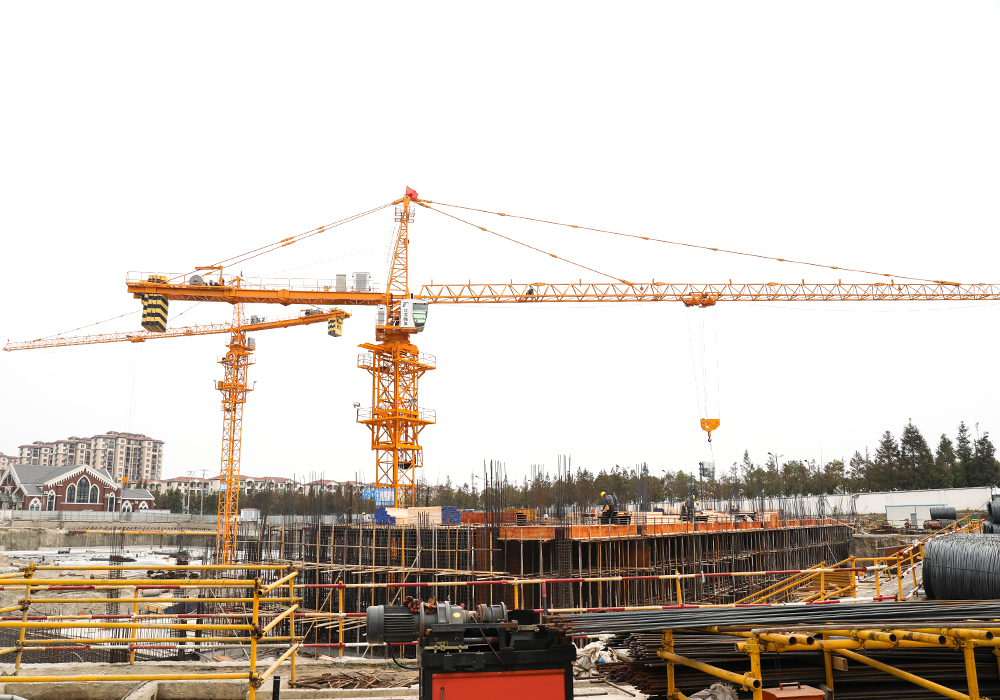
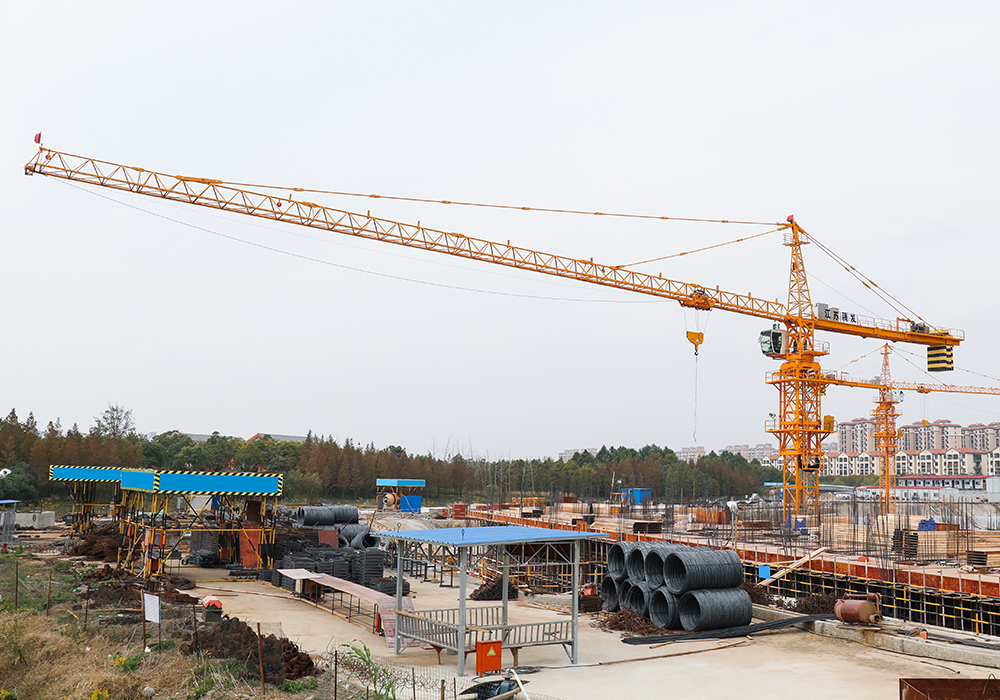
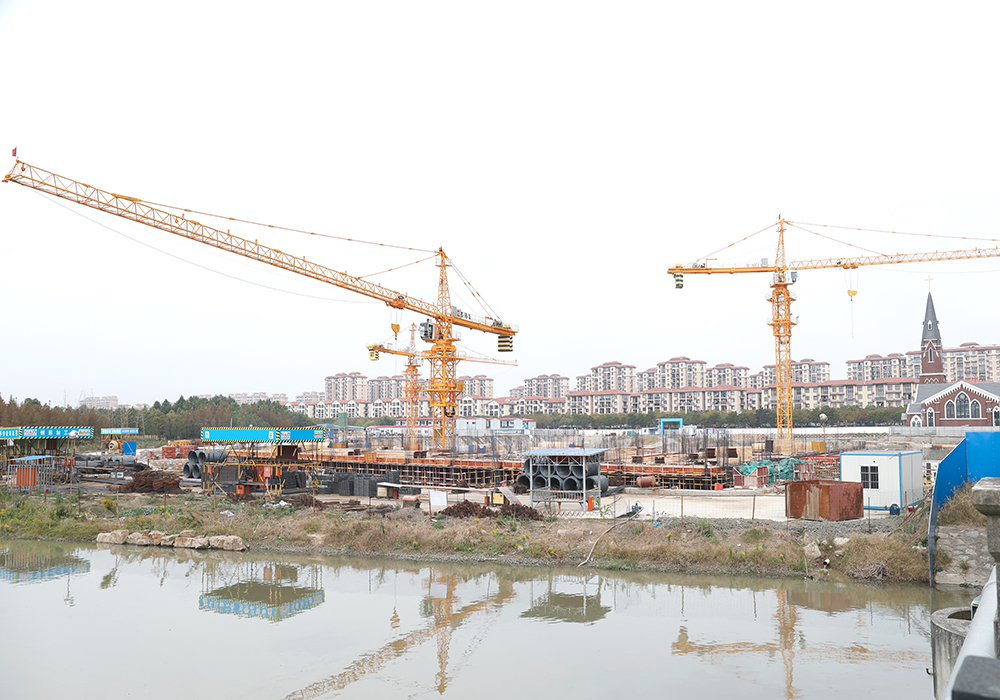
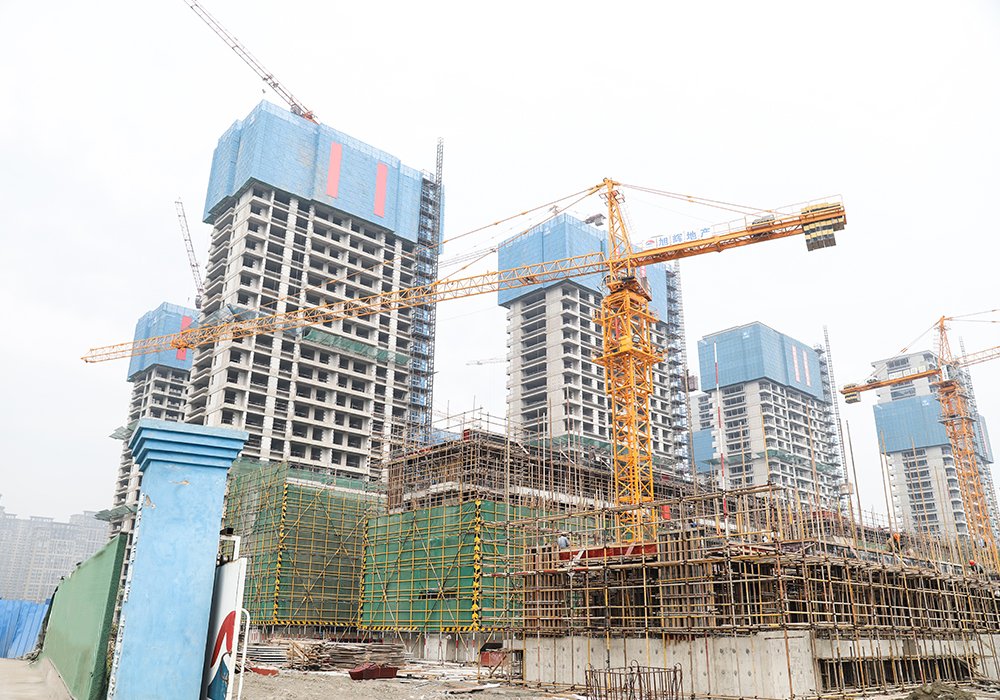
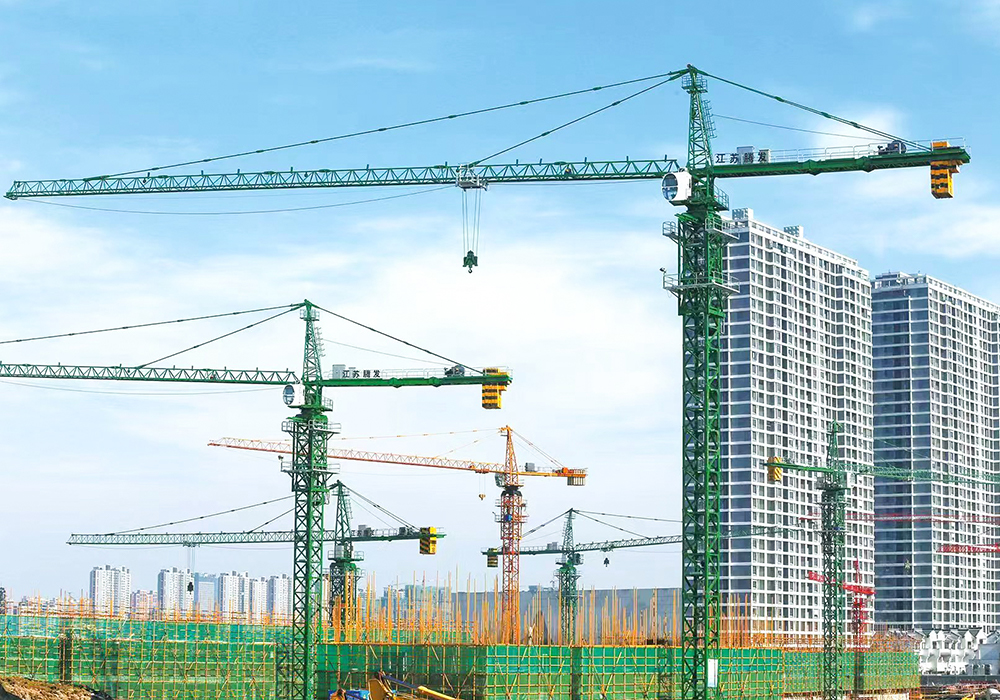
On congested urban construction sites, tower cranes are positioned to maximize horizontal coverage of the building footprint and material staging areas. When two or more cranes share the same site, their slewing radii and working zones often cross. This is especially common in high-rise developments, where several tower cranes must be erected close to one another because available ground space is limited by roads, adjacent buildings, and site boundaries.
Overlap creates several dangerous possibilities. A crane slewing through its full rotation may strike the jib of a neighbouring crane. The trolley may travel into the overlapping zone while the other crane is working there. A load can swing across the boundary between two working areas, and hoist ropes can become entangled when two cranes operate at different heights in the same vertical plane. Operator blind spots, wind-induced load drift, and radio communication delays all increase the probability of human error.
| Risk Scenario | Typical Cause | Potential Consequence |
|---|---|---|
| Jib-to-jib contact | Full slewing rotation toward an adjacent crane | Structural boom damage and downtime |
| Trolley zone intrusion | Trolley travels into shared airspace | Collision with an opposite load or jib |
| Load swing crossing | Sudden wind gust or operator misjudgement | Dropped material and personal injury |
| Hoist rope entanglement | Working at crossed angles in the same plane | Rope break and loss of load control |
These risks are multiplied by the fact that operators work in separate cabins, often without a clear view of each other's movements. A site-level anti-collision system creates a shared awareness that no human operator can provide alone.
How Anti-Collision Systems Work: From Sensors to Automatic Intervention
A tower crane anti-collision system tracks the real-time position and motion of every crane in a network, building a complete three-dimensional picture of the lifting airspace. The system continuously compares each crane's actual trajectory with pre-programmed exclusion zones and takes action when a conflict becomes imminent.
Detection Technologies
- Encoders and angle sensors mounted on the slewing ring measure the jib rotation angle and direction.
- Radar and laser distance sensors installed near the jib tip measure the clearance between two adjacent crane structures.
- RTK GPS receivers provide absolute positioning, allowing the system to calculate the exact coordinates of jib tips, trolleys, and hooks.
- Load cells and wind-speed sensors add operational context, helping the system distinguish between a safe swing and a potentially unstable movement.
Automated Response Sequence
When a potential collision is detected, the system reacts in three escalating stages. First, it emits a visual and audible warning as the crane enters a caution zone. Second, it automatically reduces the slew and trolley speeds as the crane approaches the danger boundary. Third, it cuts power to the specific motion before contact can occur, acting as a hard stop that works even when the operator is distracted.
The goal of a well-designed anti-collision system is not simply to stop cranes from touching; it is to give operators enough time and information to make safe decisions under pressure.
Key Accident Types Prevented by Anti-Collision Systems
Crane-to-Crane Collisions
Preventing direct contact between adjacent jibs, counter-jibs, and suspended loads is the most basic task of the system. By tracking the angular position and trolley radius of each crane, the system builds exclusion zones around every structure and prevents any part of one crane from entering the occupied zone of another.
Boom-to-Building Impact
In dense urban environments, tower cranes work close to existing buildings and temporary structures. Anti-collision systems can be programmed with digital maps of building edges and site boundaries, stopping radial movement when the jib approaches a protected structure. This safeguards both the crane and the building envelope.
Load-to-Structure Interference
With overlapping operations, a load hoisted by one crane can swing into the path of an adjacent crane's load or hit scaffolding, formwork, and utility lines. The system anticipates these conflicts by monitoring not only the jib position but also the projected swing path of the load.
Personnel and Safety Zone Protection
Modern systems allow site managers to define virtual geofences over restricted areas such as temporary offices, walkways, material yards, and public roads. When the hook or load enters the vertical projection of these zones, the system issues warnings or stops the crane automatically.
For sites where overlapping envelopes cannot be avoided, crane models with a smaller working circle and adjustable jib angle, such as a luffing jib tower crane, reduce structural interference while maintaining lifting flexibility.
 QTD80 Luffing-Jib Tower Crane with 40m Jib and 6t CapacityThis luffing-jib crane offers a compact working circle and adjustable jib angle, reducing structural overlap in confined sites while providing 6 tons of lift and a 40-meter radius.View Product →
Selecting the Right Anti-Collision System and Crane Configuration
Choosing an anti-collision solution begins with a site assessment. The planner must measure the actual overlap of jib circles at every working height, identify narrow corridors near obstructions, and map the areas where loads are routinely lifted. These measurements determine how many detection points are needed and which positioning technologies will provide reliable coverage.
Key Selection Criteria
- Compatibility with mixed crane models and control systems on site
- Number of cranes that can be networked in one unified system
- Accuracy of distance sensors and data update frequency
- Integration with load moment indicators and tower crane monitoring platforms
- Compliance with local safety regulations and insurance requirements
The tower crane configuration itself also influences collision risk. Flat-top and topless models make it easier to stagger jibs at different heights, while luffing jib designs shorten the working radius quickly in confined conditions. Conventional topkit cranes remain the workhorse of many projects because of their rigid structure and straightforward erection. All three types can be paired with anti-collision systems, but the specific kinematics of each jib type affect the number of detection sensors and the exclusion-zone settings.
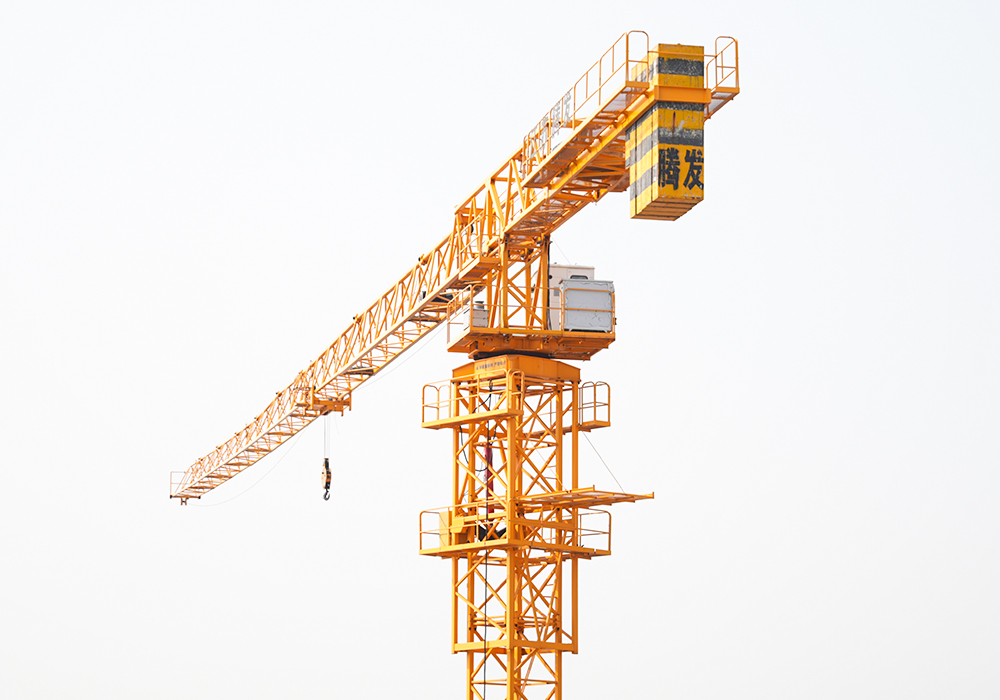 QTP125 Flat Top Tower Crane with 60m Jib and 8t CapacityA flat-top design simplifies jib staggering at different heights, making it easier to set anti-collision exclusion zones. It lifts 8 tons with a 60-meter working radius.View Product →
Finally, it is wise to partner with a tower crane manufacturer that can provide technically compatible equipment, installation guidance, and after-sales support. A complete package of carefully matched crane models and anti-collision hardware gives site managers the clearest path to safe overlapping operations.
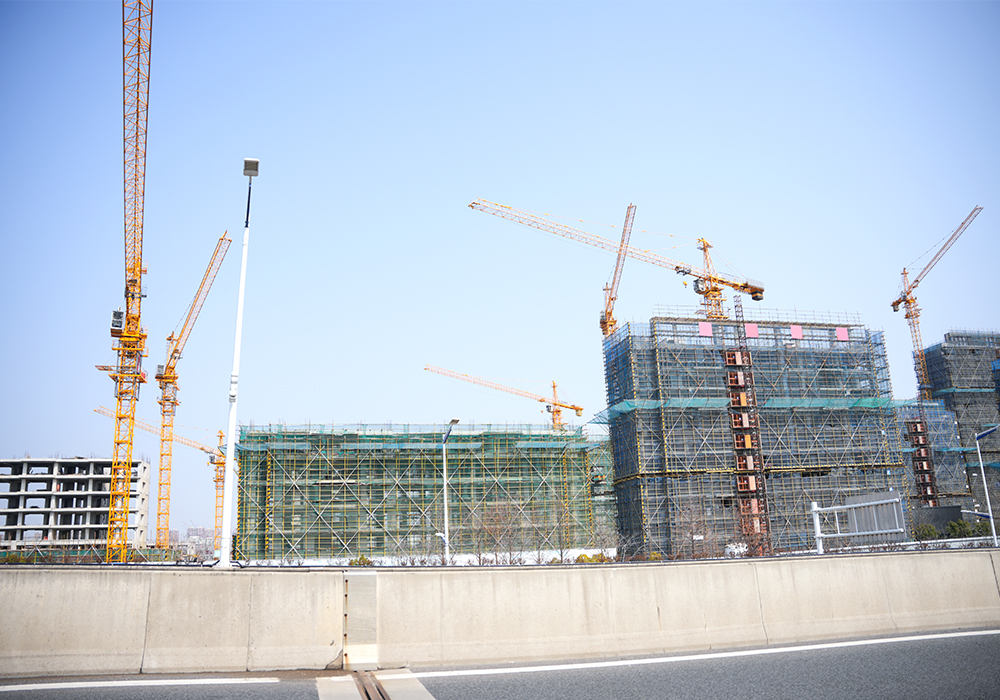 QTZ80 Topkit Tower Crane with Multiple Jib Lengths and 6t CapacityA versatile horizontal-jib topkit crane with options from 36 to 60 meters, providing rigid structure and straightforward erection for sites requiring overlapping anti-collision planning.View Product →
Frequently Asked Questions
Q1: What is the minimum safe distance between two overlapping tower cranes?
There is no universal answer because site geometry, jib length, wind conditions, and hoisted loads all affect risk. In practice, an anti-collision system should be calibrated to maintain a minimum physical separation of several metres between the nearest moving parts of two cranes, and the exclusion zones must be validated by load testing and site engineers.
Q2: Can an anti-collision system replace the crane operator?
No. Anti-collision systems support the operator but do not replace skill, experience, and care. Operators remain responsible for load security, hook position, wind assessment, and communication with ground teams. The system provides an additional automated safety barrier in critical moments.
Q3: Do anti-collision systems remain reliable in rain, dust, and high winds?
Modern systems are designed for outdoor construction environments. Radar sensors are largely unaffected by rain and dust, and RTK GPS works in most weather conditions. However, extreme winds affect load-path prediction, so the system should be calibrated regularly and combined with wind-speed cut-off limits on the crane.