

 English
 русский
 Español
 中文简体
中文简体

Content
The Rise of Modern Construction Solutions
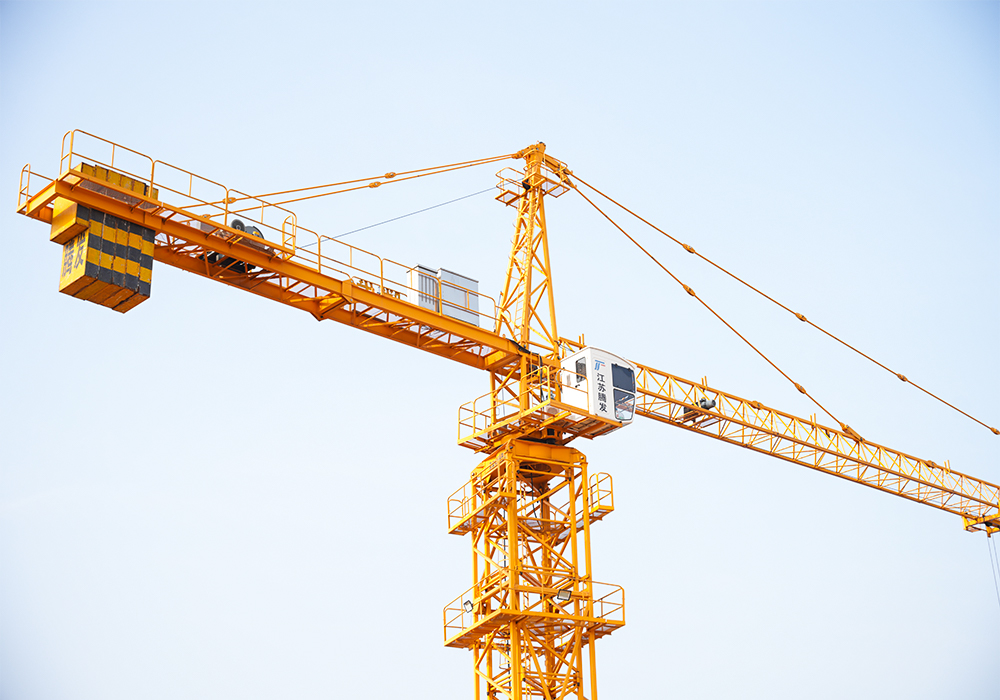
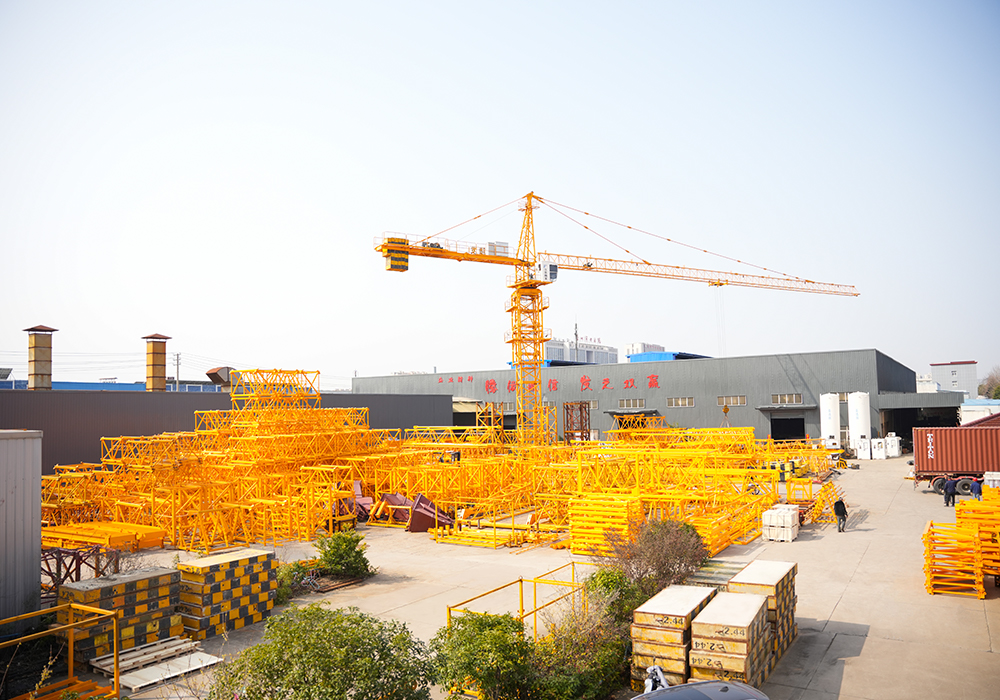
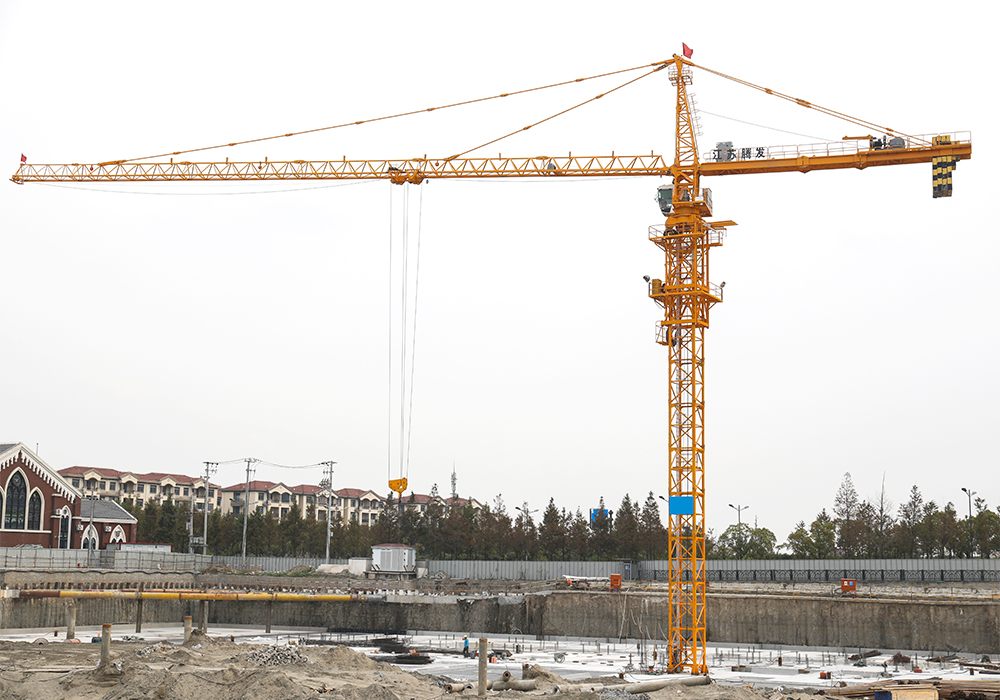
The landscape of urban and industrial development is continuously being reshaped by the towering figures of construction machinery. At the heart of many major projects, the tower crane stands as an indispensable workhorse. Among the various configurations available, the Topkit tower crane has emerged as a particularly versatile and popular choice. Its design, which features a climbing section (the "topkit") that allows the crane to grow with the building, offers distinct advantages for high-rise construction. This article delves deep into the world of Topkit tower cranes, exploring their mechanics, applications, and critical considerations for their effective use. As a leader in the field, Jiangsu Tengfa Construction Machinery Co., Ltd., with its deep expertise and commitment to "Quality First, Striving for Perfection," embodies the innovation driving this sector forward, producing a range of tower cranes that meet the rigorous demands of global construction. The company's extensive experience, backed by over a decade of development and a presence in more than twenty countries, provides a practical context for the technical discussions that follow.
In-Depth Analysis of Topkit Tower Crane Operations
To fully appreciate the capabilities of a Topkit tower crane, one must understand its operational principles and the scenarios where it excels. Unlike static cranes, the Topkit system is engineered for vertical expansion, making it a dynamic asset on a construction site. This intrinsic capability transforms the crane from a fixed lifting device into a growing partner of the structure it helps build. The engineering behind this is sophisticated, involving precise calculations for load distribution, stability during transition phases, and seamless integration with the building's core. Manufacturers like Jiangsu Tengfa Construction Machinery Co., Ltd. invest significantly in the research and development of these systems, ensuring that each component, from the climbing frame to the hydraulic jacks, meets the highest standards of safety and reliability as mandated by national Class A manufacturing qualifications.
Core Mechanism and Climbing Process
The defining feature of a Topkit tower crane is its ability to self-climb. This process involves hydraulically jacking the upper section of the crane—including the slewing unit, operator's cab, and jib—to create a space into which a new tower section is inserted. This cycle can be repeated, allowing the crane to reach impressive heights far beyond its initial freestanding capability. The stability during this process is paramount, relying on a robust climbing frame and meticulously engineered support systems integrated into the building's core structure. The procedure is methodical and follows a strict sequence to prevent any lateral movement or imbalance. Jiangsu Tengfa Construction Machinery Co., Ltd. leverages advanced R&D, supported by collaboration with academic institutions, to refine this climbing mechanism. Their investment in automated welding robots and machining centers guarantees the precision of every climbing frame and tower section produced, which is critical for a smooth and safe climbing operation. This focus on manufacturing excellence, underpinned by their ISO9001:2015 certification, directly contributes to the operational reliability of their cranes on-site.
Optimal Project Applications
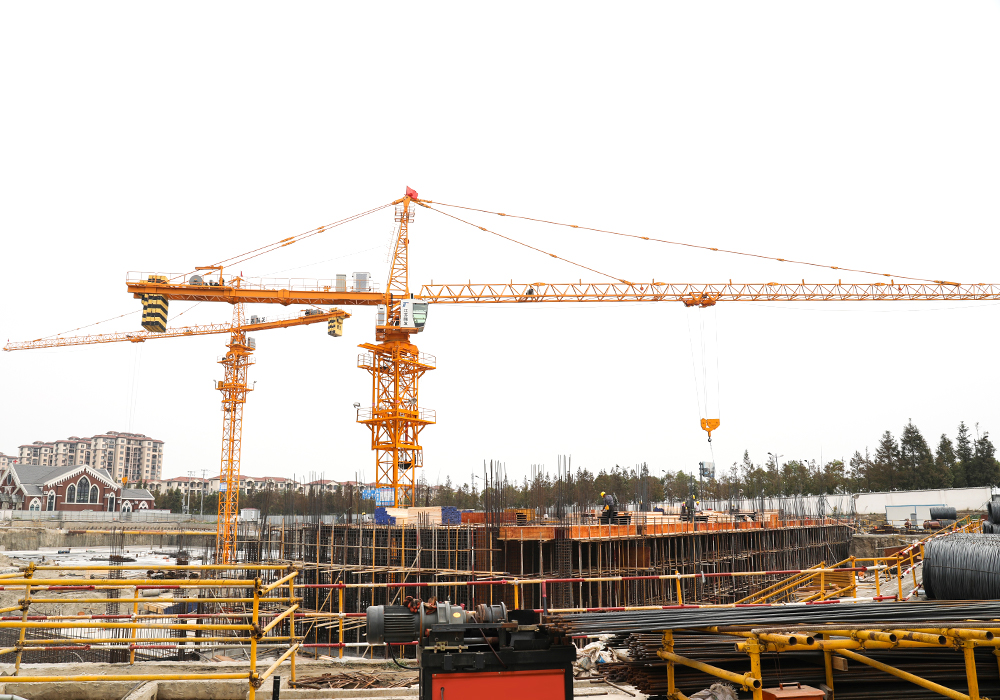
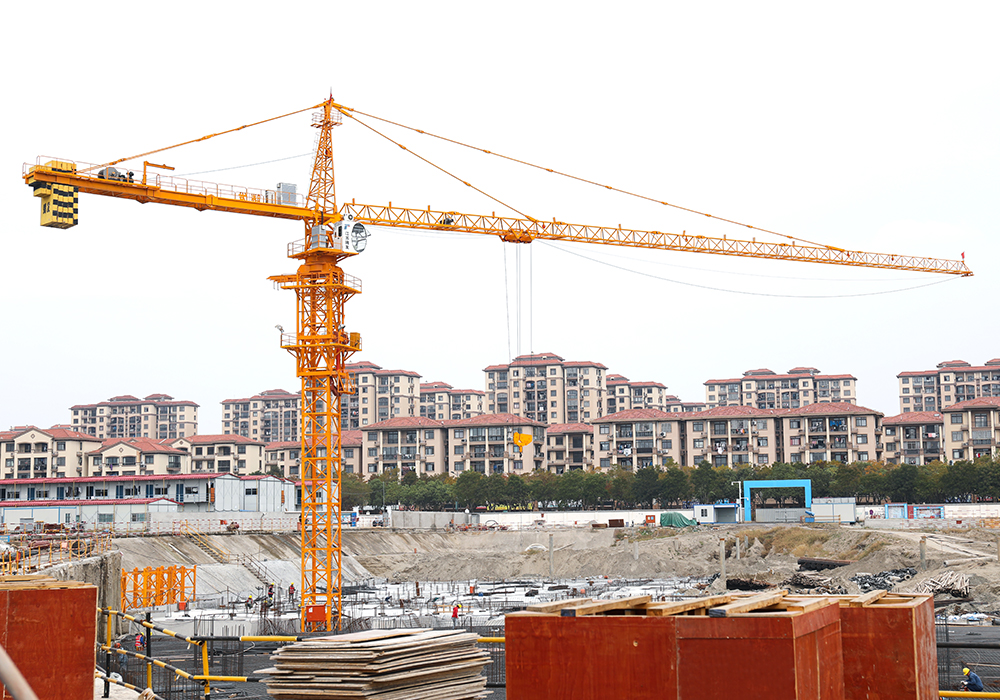
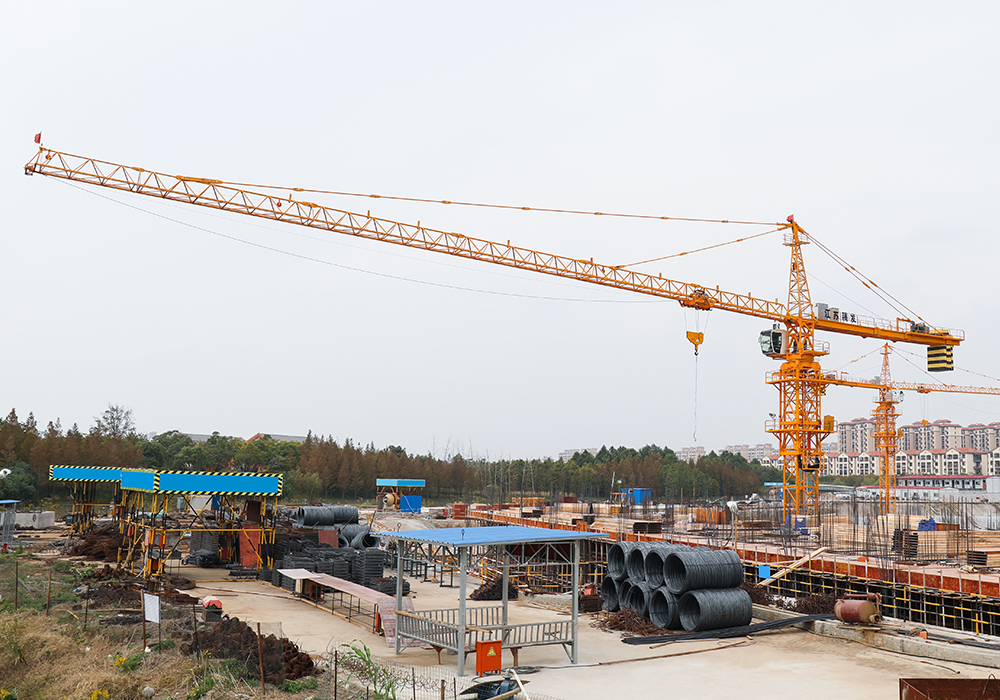
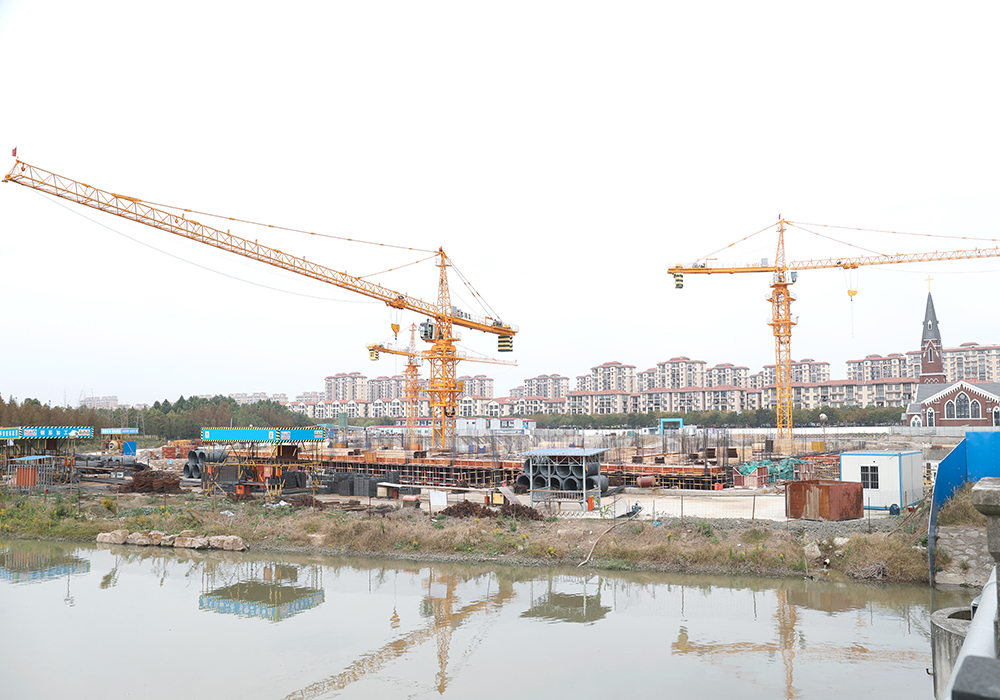
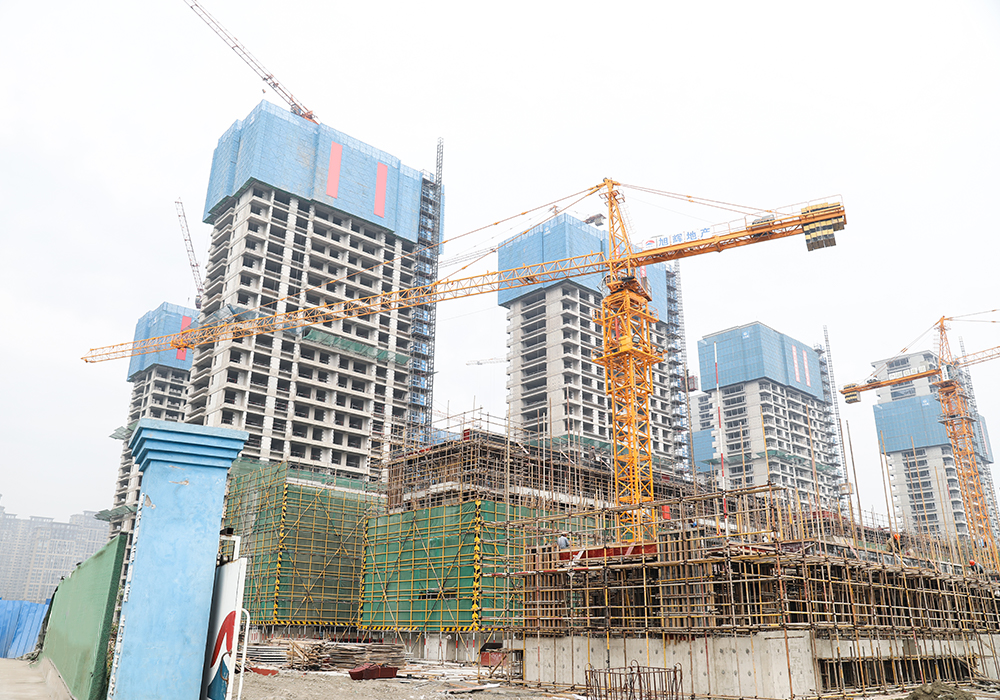
Topkit tower cranes are not a universal solution but are specifically advantageous for certain project types. Their value is most pronounced in dense urban environments and for buildings with significant vertical profiles. The decision to deploy a Topkit crane is often a strategic one, based on a detailed analysis of the project's height, duration, site constraints, and logistical needs. For instance, in city centers where land is at a premium, the ability of a crane to occupy a minimal footprint while reaching great heights is invaluable. Furthermore, the Topkit tower crane for high-rise construction is virtually synonymous with modern skyscraper erection. Its design is tailored to the incremental nature of building upwards, providing consistent lifting coverage as each new floor is completed. The extensive fleet of over 30,000 units from Tengfa Construction Machinery deployed across diverse projects in over 30 Chinese regions and exported internationally stands as a testament to the effectiveness of this design in real-world conditions, from residential complexes to commercial towers.
It is instructive to compare the Topkit configuration with other common tower crane types to understand its unique position. The following table outlines key operational differences:
| Crane Type | Primary Advantage | Height Limitation Factor | Typical Best Use Case |
|---|---|---|---|
| Topkit (Climbing) Tower Crane | Can climb internally within the building structure, reaching extreme heights. | Limited by building's structural strength and climbing cycle logistics. | Very high-rise buildings (e.g., over 20 stories) in constrained urban sites. |
| Static (Foundation-Based) Tower Crane | Simple setup, high stability from a large foundation. | Limited by the freestanding height of the mast. | Low to mid-rise buildings, industrial projects, large open sites. |
| Hammerhead (Flat-Top) Tower Crane | Excellent load capacity at radius, simple jib design. | Generally has a lower maximum freestanding height compared to climbing types. | Projects requiring heavy lifts at a fixed working radius. |
| Luffing Jib Tower Crane | Jib lifts vertically, ideal for working in very tight sites with multiple cranes. | Complex luffing mechanism can limit maximum hook height. | Dense urban sites with limited swing clearance, clustered high-rise projects. |
As shown, the Topkit crane's niche is clear. Its ability to grow makes it the go-to choice for projects where vertical ambition meets spatial constraint. A project manager might choose a static crane for a warehouse but will almost certainly specify a Topkit for a signature high-rise tower. This specificity is why understanding the Topkit tower crane load chart interpretation is so crucial, as the chart evolves with each new climbing stage.
Key Considerations for Selecting and Using a Topkit Tower Crane
Choosing the right crane involves a complex decision matrix that balances technical specifications, site constraints, and economic factors. A thorough evaluation is critical to project safety, efficiency, and budget adherence. This process begins long before the crane arrives on site and involves close collaboration between the project engineering team, the crane supplier, and often, specialist consulting engineers. Manufacturers with integrated R&D, production, and service capabilities, such as Jiangsu Tengfa Construction Machinery Co., Ltd., play a vital role in this phase, providing technical data, configuration advice, and site planning support based on their product expertise and understanding of diverse international standards.
Critical Specifications and Site Assessment
Before a crane is selected, a detailed site and project analysis must be conducted. This forms the foundation for all subsequent decisions. The analysis must account for both the static conditions and the dynamic progression of the build.
Primary Selection Factors
- Maximum Required Height and Hook Height: This is the foremost consideration. The final building height, plus a safe clearance, determines the total crane height needed. This, in turn, dictates the number of standard tower sections and the frequency of climbing cycles. The crane's climbing capability must align perfectly with the building's construction schedule.
- Maximum Load Capacity and Load Moment: The crane must be able to lift the heaviest planned loads (like pre-cast concrete panels, steel girders, or formwork systems) at the farthest required radius. The load moment (load x radius) is a key metric that defines the crane's structural strength. Underestimating this can lead to selecting an underpowered crane, causing massive logistical delays.
- Jib Length and Coverage: The jib must reach all critical supply and placement points across the site footprint. This includes covering material storage areas, truck unloading points, and every corner of the building floor plate. "Dead zones" unreachable by the hook force inefficient secondary handling solutions.
- Available Space for Foundation and Erection: Even climbing cranes start with a base. The ground bearing capacity must support the crane's initial weight and operational loads. The space must allow for the assembly of the initial crane sections, often using a mobile crane. In extremely tight sites, this can be a major constraint.
- Power Supply and Logistics: Topkit cranes are typically electric. Ensuring a stable, adequate power supply at the required voltage is essential. Also, planning the delivery route for long tower sections and jib elements to a congested site is a logistical challenge that must be solved early.
Ignoring any of these factors can lead to costly delays, safety incidents, or the need for costly mid-project crane replacements. Furthermore, understanding the Topkit tower crane load chart interpretation is non-negotiable for safe operation. The load chart is a legal document that specifies the allowable load at every possible radius and for every possible mast and jib configuration. It is not a single figure but a complex set of curves and tables. Operators, planners, and site supervisors must be thoroughly trained to read it correctly. For example, the allowable load at a 40-meter radius with a 50-meter high mast is different from the allowable load at the same radius after a climbing cycle has increased the mast height to 70 meters. Exceeding these limits is a primary cause of structural failure. Companies like Jiangsu Tengfa provide comprehensive documentation and support with each crane, a reflection of their commitment to safety and their status as a director unit of relevant industry associations.
Safety Protocols and Maintenance Regimen
The inherent risks of operating at great heights under dynamic loads make safety the foremost priority. A rigorous, proactive approach to maintenance and procedure is essential to protect personnel, the structure, and the public. This culture of safety must be ingrained at every level, from management to the crane crew. It is supported by three pillars: robust equipment from a reputable manufacturer, comprehensive training, and unwavering adherence to procedures.
Essential Safety and Maintenance Practices
A robust safety system is multi-layered, involving equipment checks, human factors, and procedural controls. Maintenance is not merely reactive (fixing what breaks) but preventive and predictive. The following table contrasts routine daily checks with more comprehensive periodic inspections, forming the backbone of a reliable maintenance program:
| Daily/Pre-Operation Checks (Conducted by Operator/Appointed Person) | Weekly/Monthly/Periodic Inspections (Conducted by Qualified Technician) |
|---|---|
| Visual inspection of wire ropes for kinks, breaks, birdcaging, or corrosion. | Detailed measurement of wire rope diameter at multiple points to check for wear beyond permissible limits. |
| Functional testing of all limit switches (hoist upper/lower, trolley in/out, slewing). | Calibration and load testing of safety devices like the anemometer (wind speed indicator) and overload protection systems. |
| Check of hydraulic systems for leaks, proper fluid levels, and correct pressure readings. | Torque-checking of critical structural bolts and connections, especially those in the climbing frame and tower mast flanges. |
| Examination of hook and latch mechanism for deformation, wear, or cracks. | Inspection of electrical panels, contactors, and cabling for signs of wear, overheating, or damage. |
| Assessment of brake performance through test lifts at start of shift. | Non-destructive testing (NDT) or detailed visual inspection of structural steel for cracks or weld integrity, particularly around high-stress areas like the climbing frame attachment points and slewing ring. |
Beyond the machinery itself, the human element is crucial. This is where the concept of Topkit tower crane operator training requirements becomes central. Operators must possess not only the psychomotor skill to control the crane smoothly and precisely but also deep theoretical knowledge. This includes understanding load dynamics (how loads swing and stabilize), accurate load chart interpretation, knowledge of weather limitations (especially wind), radio communication protocols, and emergency procedures. Training should be certified, ongoing, and include site-specific instructions. Furthermore, for the most critical procedure—the climbing operation—a Topkit climbing procedure checklist is an indispensable tool. This step-by-step document, often developed by the manufacturer in line with strict safety standards, guides the crew through every phase. It covers pre-climb preparations (checking weather, securing the site), the step-by-step jacking and insertion process, post-climb verifications (bolt torquing, system tests), and emergency contingency plans. Adherence to such a formalized checklist is the best defense against the high risks inherent in altering the crane's configuration at height. Jiangsu Tengfa's philosophy of "Based on Trust, Aiming for a Win-Win Situation" is reflected in their commitment to providing such vital operational support and documentation, helping clients achieve not just project success but a flawless safety record that enhances their reputation.
Advanced Topics and Long-Term Strategy
For project managers, procurement specialists, and business owners, the decision to utilize Topkit tower cranes extends beyond the immediate technical needs of a single project. It encompasses long-term financial planning, fleet strategy, and an awareness of technological trends that will shape the industry's future. Making informed decisions in these areas can provide a significant competitive advantage, optimizing capital expenditure and ensuring access to the most efficient and safe equipment.
Financial Planning: Purchase vs. Rental
The decision to purchase or rent a Topkit tower crane is a significant financial consideration with long-term implications for a construction company's balance sheet and operational flexibility. There is no one-size-fits-all answer; the optimal choice depends on the company's business model, project pipeline, financial health, and risk tolerance.
Evaluating the Cost-Benefit Analysis
Purchasing a crane represents a major capital investment. The upfront cost is high, and it includes not just the crane but often essential accessories and initial spare parts. However, ownership brings several advantages: the asset is available for immediate deployment on suitable projects, it can be depreciated over time for tax purposes, and it retains a residual value that can be realized through eventual sale. Ownership makes the most financial sense for large contractors or specialized subcontractors with a continuous, predictable pipeline of high-rise projects that can ensure high asset utilization. It also allows for customization and branding of the equipment. The manufacturer's reputation for reliability, durability, and after-sales service becomes a critical factor in this decision. A company like Jiangsu Tengfa, recognized as a "Credit Standardization Enterprise" and an "Innovative Development Enterprise," provides the assurance of product longevity and comprehensive support, making a purchase decision less risky by minimizing lifecycle maintenance costs and downtime.
Renting, on the other hand, converts a large capital expense into a predictable operating cost. It offers superior flexibility, allowing a company to select the perfect crane model for each unique project without long-term commitment. It frees the company from the responsibilities of major maintenance, insurance, and storage between projects, as these are typically handled by the rental company. Renting also provides access to the latest models with the most advanced technology without the burden of obsolescence. This is particularly valuable for companies tackling one-off projects or those with fluctuating demand. When evaluating the cost of Topkit tower crane rental vs purchase, a detailed Total Cost of Ownership (TCO) analysis must be performed. This model should project all costs over a relevant period (e.g., 5 years):
- For Purchase: Initial purchase price + financing costs (interest) + annual maintenance & repairs + insurance + certification costs + storage + depreciation + eventual disposal cost minus residual value.
- For Rental: (Monthly rental rate x projected months of use) + cost of any ancillary services + transportation to/from site (if not included).
The analysis must use a realistic projection of annual utilization. For low utilization rates, rental is almost always cheaper. As utilization increases, a purchase may become more economical, with the "break-even" point being where the cumulative rental costs equal the net present cost of ownership. This break-even point varies significantly based on local rental rates, interest rates, and specific crane models.
The Future of Crane Technology and Sustainability
The construction machinery industry is undergoing a profound transformation driven by digitalization, automation, and a growing emphasis on sustainability. Topkit tower cranes, as complex and energy-intensive machines, are at the forefront of this evolution. The innovations being developed today will define the construction sites of tomorrow, making them safer, more efficient, and less impactful on the environment.
Innovations on the Horizon
Several interconnected trends are shaping the next generation of tower cranes, moving them from purely mechanical tools towards intelligent, connected assets:
- Digitalization and the Internet of Things (IoT): Modern cranes are being equipped with an array of sensors that monitor parameters in real-time. These include load cells, anemometers, tilt sensors, vibration sensors, and temperature sensors on critical components like gearboxes and motors. This data is transmitted to a cloud platform where it can be analyzed. The benefits are immense: predictive maintenance algorithms can forecast component failures before they happen, preventing unplanned downtime. Managers can monitor crane usage and efficiency remotely. This aligns with the smart construction site philosophy and is an area where forward-thinking manufacturers are investing heavily.
- Automation and Assistive Systems: While fully autonomous crane operation in dynamic environments is still a future prospect, various assistive technologies are already here. These include automatic hook positioning (where the operator selects a target point and the crane's control system automatically moves the hook there smoothly and precisely), anti-collision systems for sites with multiple cranes, and load sway damping systems that automatically counteract pendulum motions. These features reduce operator fatigue, improve placement accuracy, and enhance safety.
- Energy Efficiency and Electrification: The drive for greener construction is pushing for more efficient crane designs. This includes the use of regenerative drives that capture energy during lowering motions and feed it back into the power grid or battery storage. There is also research into hybrid systems that combine grid power with on-site renewable sources (like solar) or battery packs to reduce peak grid demand and carbon footprint.
- Advanced Materials and Design: The application of high-strength, lightweight steels and the exploration of composite materials can lead to cranes with better strength-to-weight ratios. This could allow for longer jibs, higher lifting capacities, or reduced foundation requirements, all contributing to greater efficiency and material savings.
These advancements are not merely conceptual. Research-driven manufacturers are actively developing and integrating these technologies. Jiangsu Tengfa Construction Machinery Co., Ltd., as a national-level high-tech enterprise holding multiple invention and utility model patents, continuously invests in technological R&D. Their collaboration with universities and scientific research institutes ensures they remain at the cutting edge of material science, control systems, and structural design. This commitment ensures they develop cranes that are not only powerful and reliable but also smarter, more efficient, and more aligned with the principles of sustainable construction. The future of the Topkit tower crane for high-rise construction is one of greater intelligence, connectivity, and environmental responsibility, seamlessly integrated into the digital building information modeling (BIM) ecosystem of modern projects.

Making an Informed Decision for Your Project
Selecting and operating a Topkit tower crane is a multifaceted and consequential process that demands careful attention to detail at every stage. From the initial geotechnical and spatial site assessment and the meticulous interpretation of dynamic load charts, to the rigorous adherence to safety checklists during critical climbing procedures and the strategic financial analysis of rental versus purchase, every step is interconnected. The goal is singular: to achieve optimal project efficiency, unwavering on-site safety, and ultimate economic and structural success. This endeavor is significantly strengthened by partnering with a reputable, technologically advanced, and service-oriented manufacturer. With a legacy built on a foundation of quality, a culture of innovation, and a proven global service footprint spanning from Saudi Arabia and India to Vietnam and the Philippines, Jiangsu Tengfa Construction Machinery Co., Ltd. exemplifies the depth of expertise and reliability necessary to support the world's ever-ascending architectural ambitions. By thoroughly understanding the core principles, operational nuances, and advanced strategic considerations outlined in this comprehensive guide, project engineers, managers, and owners can make confident, informed decisions. This empowers them to fully and safely harness the formidable capabilities of the Topkit tower crane, turning blueprints for the skylines of tomorrow into enduring reality.