

 English
 русский
 Español
 中文简体
中文简体
Content
Understanding the Flat Top Tower Crane
Defining the Topless Design and its Core Benefits
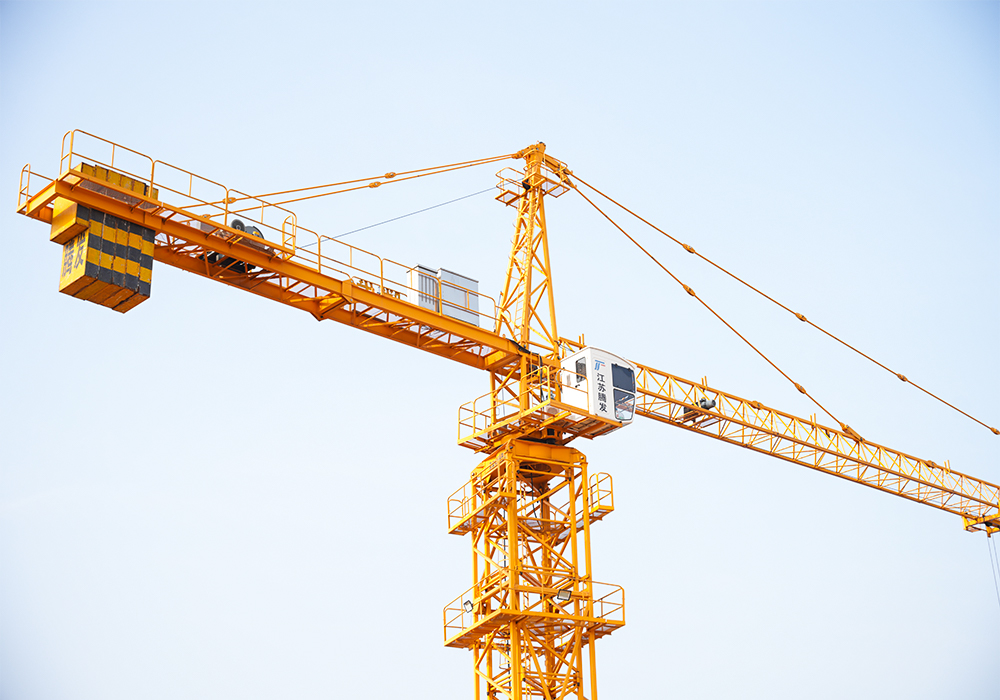
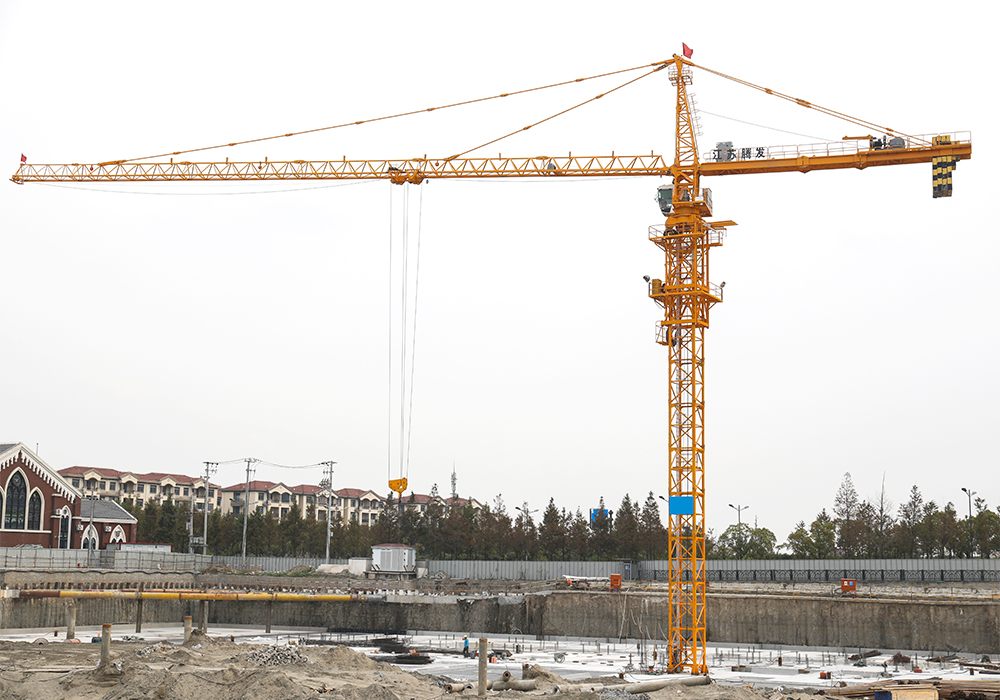
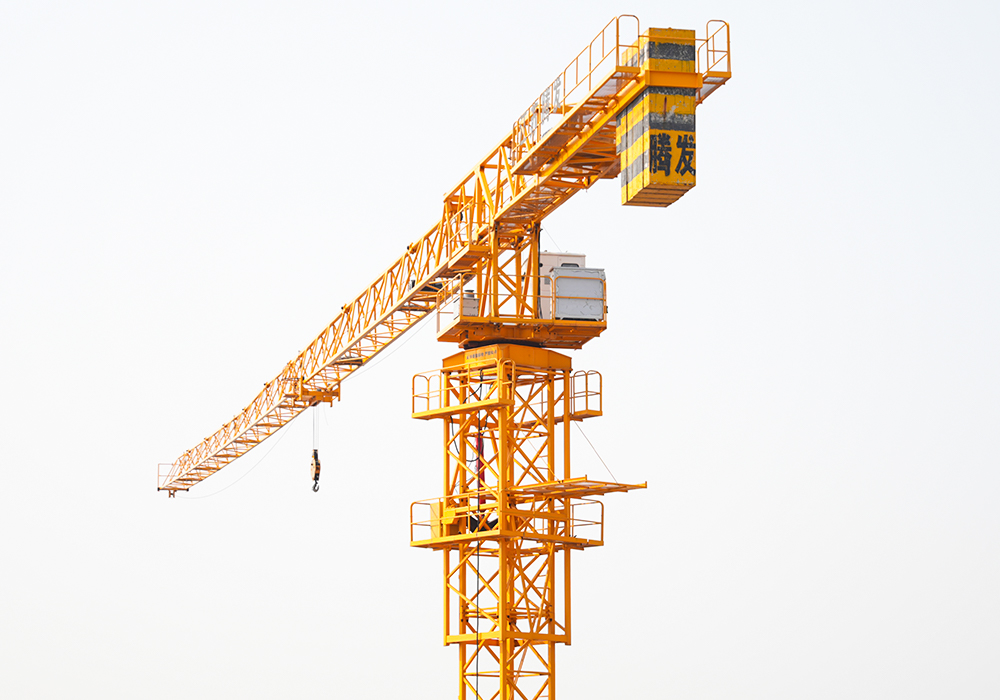
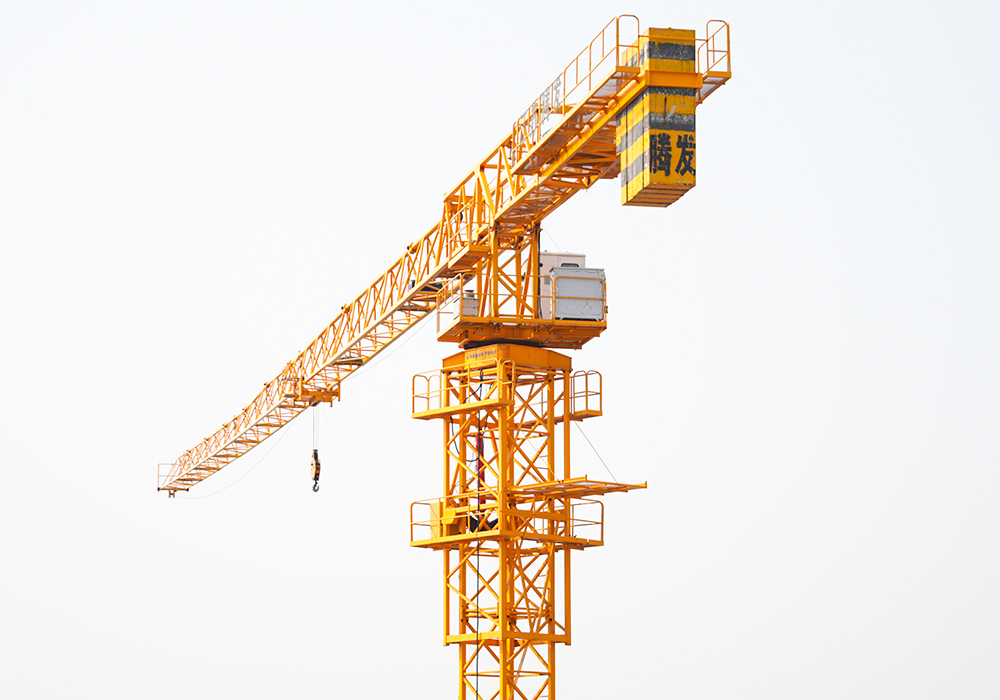
The innovation inherent in the Flat Top Tower Crane lies in its structurally sound modular design. By removing the cat-head and supporting ties typically found above the jib, the crane achieves a simpler, lighter, and more adaptable structure. The jib and counter-jib are directly connected to the slewing unit atop the tower mast, relying on the structural integrity of the steel components themselves for stability. This fundamental design shift addresses several long-standing challenges in high-density construction. This absence of a towering peak significantly reduces the overall height, which is a major benefit for sites near airports or for stacked configurations where multiple cranes are operating in close proximity. The operational mechanics also allow for faster erection and dismantling, which translates directly into reduced labor and site costs. Moreover, the modularity and interchangeability of parts across different models simplifies inventory and maintenance, making them a preferred choice for companies managing a large fleet of cranes across diverse projects. This architectural elegance is not merely aesthetic; it is a calculated engineering solution that enhances project logistics and site safety.
- Reduced Interference: The lower height profile drastically minimizes the risk of jibs from adjacent cranes clashing, allowing for a smaller operating clearance zone.
- Enhanced Aesthetics and Permits: In visually sensitive areas, the sleek design is often preferred and can simplify planning permission processes.
- Easier Maintenance: Components are often easier to access for routine checks and service without the complexity of high-altitude tie-bar maintenance.
- Faster Commissioning: The bolt-together design facilitates rapid deployment, enabling projects to commence lifting operations sooner.
Applications and Strategic Deployment
Identifying the Best Applications for Topless Tower Cranes
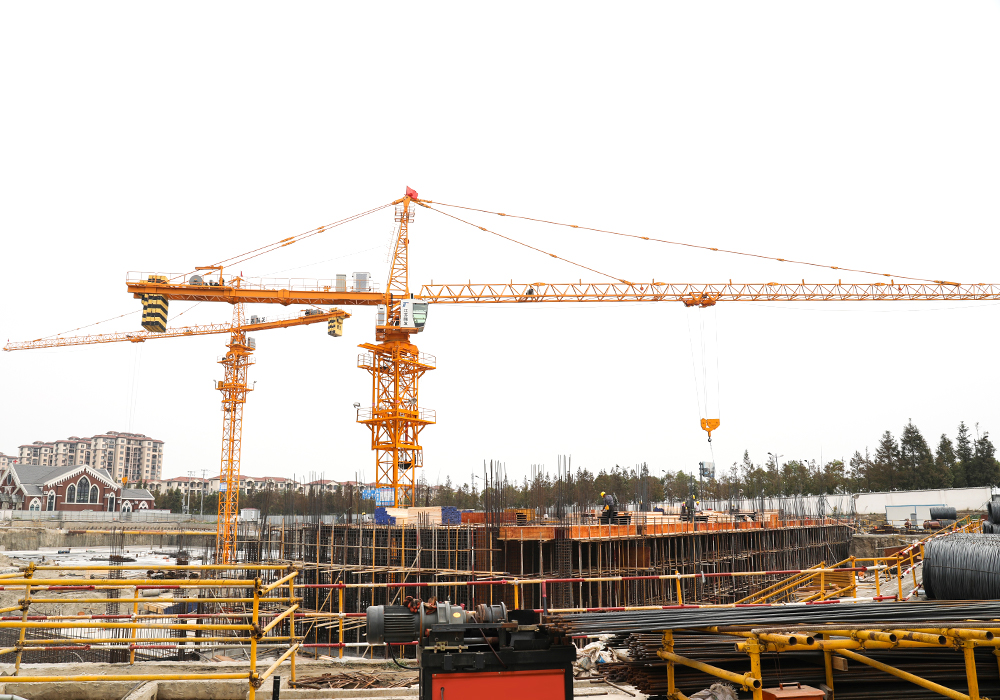
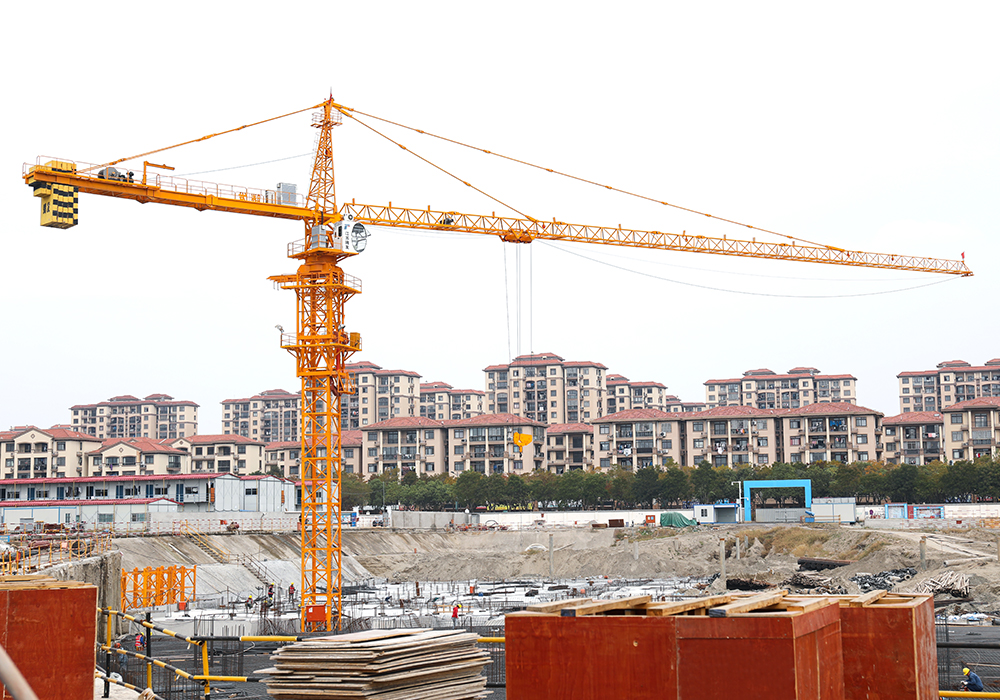
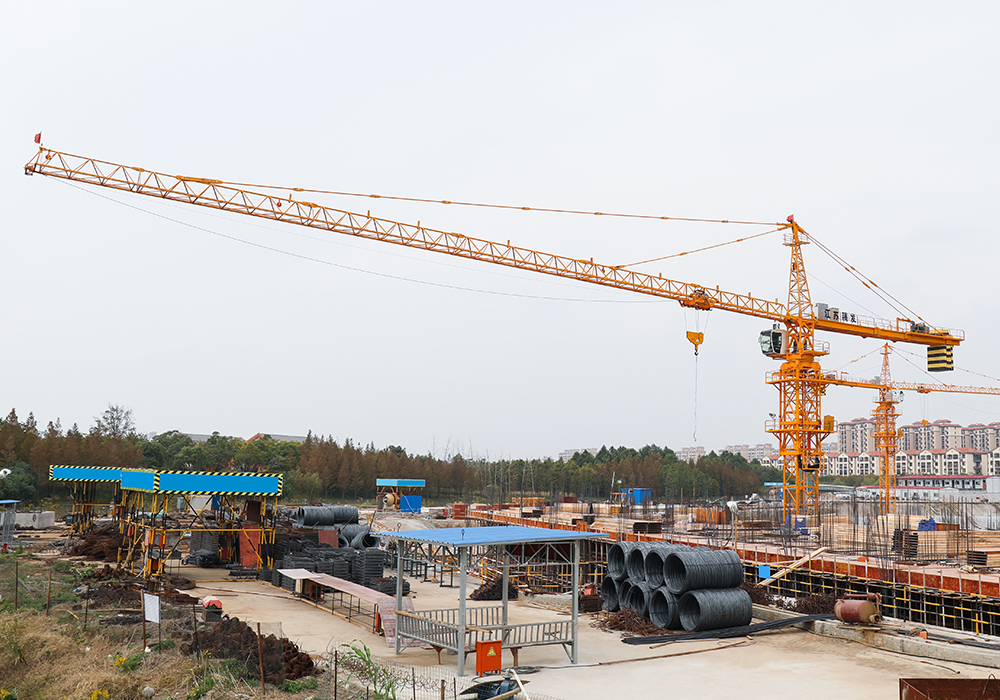
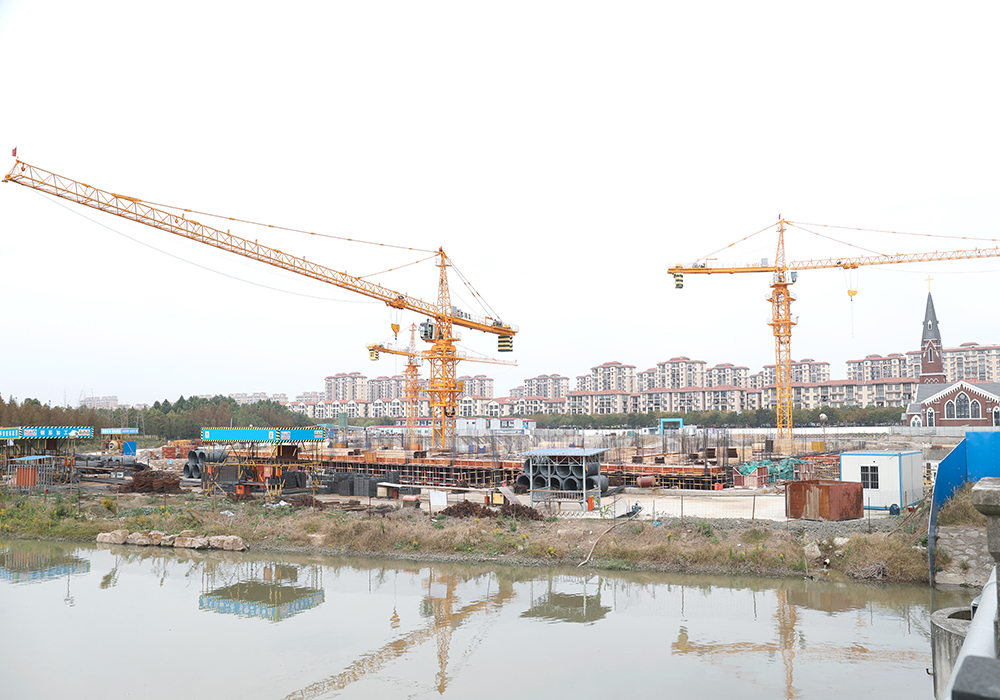
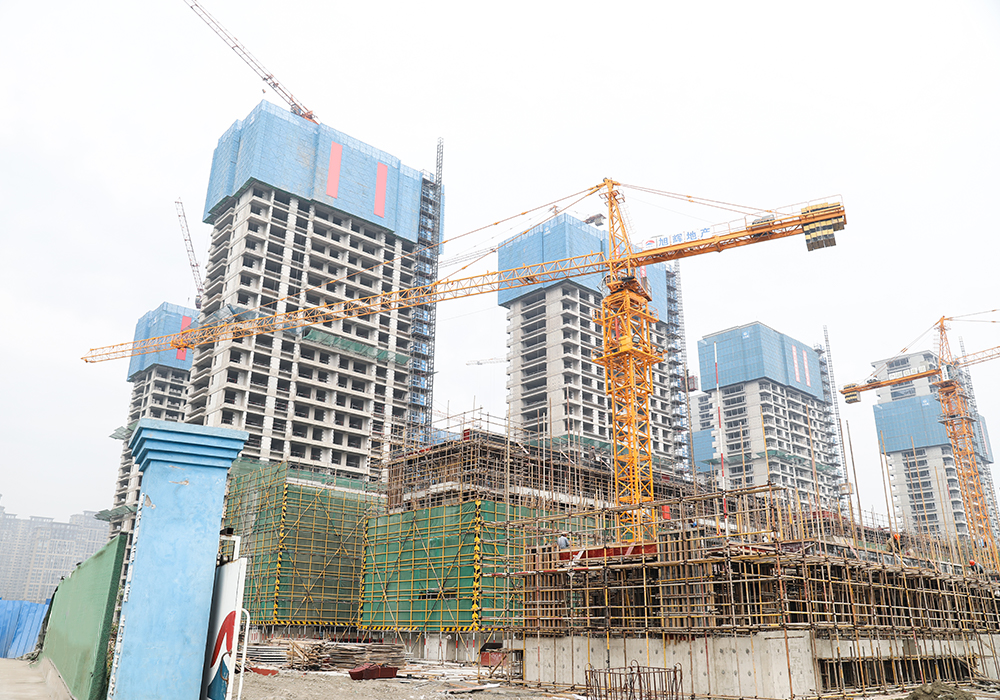
While the versatility of the Flat Top Tower Crane makes it suitable for almost any medium-to-large-scale construction project, its design offers a distinct advantage in specific scenarios. These cranes truly excel on sites characterized by spatial constraints and high crane density. Projects involving the simultaneous construction of multiple high-rise buildings, such as large residential or commercial complexes, are the prime candidates. The ability to overlap the slewing radii of several topless cranes without requiring extreme height differences ensures continuous operation with maximum site coverage. Another critical area where they stand out is near air traffic control zones or existing structures with strict height restrictions. The inherent lower height profile prevents infringement on mandated airspace. Therefore, construction around active airports or military bases often mandates the use of topless models. Furthermore, for urban infill projects where every square meter counts, the reduced footprint and simplified rigging logistics of the best applications for topless tower cranes provide an invaluable competitive edge, maximizing usable construction space and maintaining necessary public access corridors.
- Multi-Crane Sites (Clustering): Allows for multiple cranes to operate safely at similar heights, crucial for large campus or twin-tower developments.
- Height Restricted Zones: Essential for projects near flight paths or under local ordinances limiting structure height.
- Modular/Prefabricated Construction: The precise and consistent lifting capabilities are ideal for placing pre-cast concrete sections and modular units.
- Retrofitting and Renovation: Their ability to be erected in tight spaces and close to existing structures is a major benefit for adding floors or large components to existing buildings.
Mastering the Flat Top Tower Crane Assembly Process
The streamlined structure of the flat top crane simplifies its assembly and dismantling, a key factor in reducing project overhead and minimizing site disruption. The Flat Top Tower Crane assembly process begins similarly to other tower cranes, with the foundation and the erection of the initial mast sections. However, the critical difference is the installation of the jib and counter-jib. Instead of being hoisted as a single, fully assembled piece with the cat-head, the topless design allows for the jib sections to be attached directly to the slewing unit, often in smaller, manageable segments. This method requires smaller auxiliary cranes for assembly, reducing the overall size and footprint of the required support equipment on site. Specialized lifting collars and hydraulic climbing mechanisms are then employed to raise the crane to its working height. Safety protocols during assembly are rigorous, focusing heavily on secure bolt connections and precise alignment, ensuring the integrity of the stress-bearing connections that replace the traditional tie bars. This methodical approach contributes to a safer, more predictable, and faster setup schedule compared to high-cathead models.
- Lighter Components: Jib sections are lighter and easier to maneuver, reducing the time and cost associated with mobile assist crane usage.
- Reduced Wind Load During Assembly: The absence of the high-mounted cat-head presents less surface area for wind to affect the components during the critical rigging phase.
- Modular Sections: The ability to lift and connect smaller, pre-fitted sections minimizes reliance on perfect weather conditions for large, singular lifts.
- Simplified Inspection: Post-assembly inspections are more focused on the core structural connection points rather than complex tie-bar tensioning.
Operational Superiority and Cost Efficiency
Weighing the Advantages of Flat Top Cranes vs Luffing Cranes
The choice between a flat top and a luffing jib crane is a common dilemma in high-rise construction, and understanding the advantages of flat top cranes vs luffing cranes is crucial for optimizing site logistics. Luffing cranes, with their ability to pull their jib closer to the mast, are ideal for extremely confined sites where the jib cannot swing freely over adjacent buildings. However, Flat Top Tower Crane models generally offer faster operational cycling and a higher maximum lifting capacity at shorter radii due to their rigid, horizontal jib. The comparative advantage in the overall cycle time—the speed at which a load is picked up, traversed, and placed—often makes the flat top crane a more productive workhorse on sites where a full 360-degree slew is possible. Furthermore, luffing cranes are mechanically more complex, involving additional winches and components to manage the luffing action, leading to higher initial purchase costs and increased maintenance complexity. The simplicity and speed of the flat top crane often provide a better return on investment over the duration of a standard construction project, provided the site geometry permits its use.
The key differences are highlighted below:
| Feature | Flat Top Tower Crane | Luffing Crane |
| Maximum Swing Radius | Fixed Jib Length (Requires full clearance) | Variable (Jib can be pulled in, ideal for restricted airspace) |
| Assembly/Dismantle Time | Generally faster and simpler | Slower, due to complex luffing ropes and mechanisms |
| Operational Speed (Cycles) | Faster horizontal trolley movement | Slower due to time required for luffing motion |
| Cost (Rental/Purchase) | Typically lower initial capital investment | Typically higher due to mechanical complexity |
Decoding Flat Top Tower Crane Load Chart Interpretation
Safety and performance hinge entirely on correctly applying the data presented in the load chart. Flat Top Tower Crane load chart interpretation is a critical skill for project managers and operators, as it provides the absolute limits for safe operation. The load chart is typically presented as a table or graph that correlates the working radius (the horizontal distance from the crane's center of rotation to the hook) with the maximum permissible lifting capacity at that radius. Key points on the chart include the maximum capacity (usually at the shortest practical radius) and the tip load (the maximum capacity at the maximum working radius). It is essential to understand that capacity is *always* governed by the specific configuration—mast height, jib length, and counterweight setup—used on the site. Operators must account for the weight of all lifting gear (slings, hooks, spreader bars) in addition to the load itself to prevent overloading, which is the leading cause of crane failure. Misinterpreting the chart, especially confusing the capacity limit with the structural limit of the load, can lead to catastrophic consequences. Always adhere strictly to the manufacturer's data, which incorporates required safety margins.
- Understanding Tip Load: The minimum capacity listed, occurring at the furthest reach of the jib, is often the critical limiting factor for overall crane use.
- Gross vs. Net Load: The chart lists the Gross Load capacity; the operator must subtract the weight of the hook block and rigging to find the Net Load capacity for the materials.
- Wind Speed Derating: Most charts are based on specific maximum wind speeds; operations must cease or capacity must be reduced if on-site wind exceeds this limit.
- Configuration-Specific Data: The chart only applies to the specific jib length and counterweight combination listed; any change requires consulting a new, corresponding chart.
Financial Planning: The Economics of Lifting
Analyzing Flat Top Tower Crane Rental Cost Factors
Calculating the true cost of using a tower crane involves more than just the daily or monthly rental fee; it requires a deep dive into the logistics and contractual variables. Understanding the drivers of Flat Top Tower Crane rental cost is essential for accurate project budgeting. The final price is a function of the crane's size (capacity and height under hook), the duration of the rental, the distance for transportation, and the complexity of the site for assembly and dismantling. Larger cranes with greater capacities and longer jibs naturally command higher rates due to increased capital cost and transportation logistics. The rental period is also key; a long-term rental (e.g., 12+ months) will typically have a much lower effective monthly rate than a short-term lease (e.g., 3 months). Furthermore, a significant component of the overall expenditure includes mobilization and demobilization fees, which cover the costs of trucking the components to and from the site, as well as the specialized labor and assist crane required for the assembly and dismantling process. When evaluating quotes, one must carefully review what is included: is routine maintenance covered? Are operators included? These hidden costs can dramatically alter the total project budget.
Key factors that influence the overall expenditure are:
| Cost Factor | Influence on Price | Optimization Strategy |
| Crane Size & Capacity | Directly proportional; higher capacity = higher cost | Right-size the crane; avoid over-specifying for max load. |
| Rental Duration | Longer term often yields lower monthly rate | Negotiate discounted rates for commitments over one year. |
| Transportation & Logistics | Distance and number of required trucks for components | Source cranes from local depots where possible. |
| Erection/Dismantling (E&D) | Labor, assist crane time, permits, and complexity | Plan E&D outside of peak site activity to minimize delays. |
FAQ (Frequently Asked Questions)
How does a Flat Top Tower Crane maintain stability without a tie-bar support system?
The stability of a Flat Top Tower Crane is engineered into its structural connections, relying on robust, high-tensile steel components and precise engineering. Instead of using a cat-head and tie bars for support, the jib and counter-jib are bolted directly to the slewing unit using heavily pre-stressed connections. This creates a rigid, cantilevered system. The structural forces—primarily bending moments—are distributed and absorbed by the reinforced slewing frame and the mast sections themselves, often utilizing larger, heavier mast sections and enhanced connecting points compared to their hammerhead counterparts. This design ensures that the static and dynamic loads are safely managed, upholding the fundamental principle of structural integrity required for heavy lifting operations, all while maintaining the streamlined, topless profile.
What are the primary safety benefits when using topless models on a tight, multi-crane site?
The core safety benefit of using topless models on congested construction sites relates directly to anti-collision measures and reduced site risk. The lower profile eliminates the highest point of potential conflict—the cat-head—which historically required the tops of adjacent cranes to be separated by significant vertical distance (often 10 meters or more) to prevent structural interference in the event of jib overlap. With the Flat Top Tower Crane, the main concern is the horizontal overlap of the jibs. This allows cranes to work closer to one another at similar heights, dramatically improving site density and coverage. Furthermore, the simplified, lower-height assembly of the topless design minimizes the risk associated with high-altitude rigging, contributing to a safer environment during the critical phases of erection and dismantling, a key factor often overlooked when assessing Flat Top Tower Crane assembly process safety.
Is the maximum lifting capacity of a flat top crane generally lower than a hammerhead crane of similar size?
Not necessarily. While the structural design differs, modern flat top cranes are engineered to be highly competitive in terms of capacity. Historically, hammerhead cranes may have offered slightly higher tip loads due to the direct support of the tie bars, but advancements in steel strength and connection technology have closed this gap. For a given radius, a Flat Top Tower Crane can often match or exceed the capacity of a traditional hammerhead crane, especially at shorter radii. The capacity is primarily dictated by the size of the mast section and the power of the hoisting winch. The perceived difference in capacity is often secondary to the operational advantages, such as faster assembly and the strategic benefits on multi-crane sites, which is why operators must be skilled in Flat Top Tower Crane load chart interpretation for the exact model being utilized.